
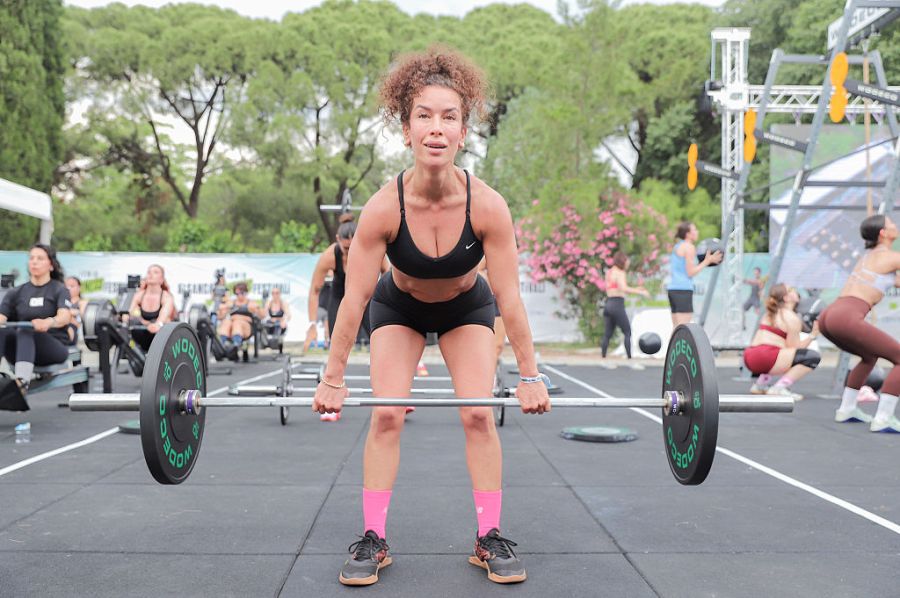
Just two well-structured strength sessions a week can support your metabolism, protect your bones and help you feel stronger, steadier and more confident as you age, says personal trainer Abby McLachlan.
There is a lot of noise around strength training for women at the moment. For years, women were told to focus on cardio or high-intensity interval training, or to lift light weights for “toning”. Thankfully, that message is changing.
Lifting challenging weights – and using your own body weight as resistance – is one of the most powerful things a woman can do for her long-term health. Better still, you don’t need to train intensely every day to feel the benefits.
Two well-planned sessions a week can make a genuine difference, helping women feel stronger, more energised and more capable in everyday life. In fact, NHS guidelines recommend doing activities that strengthen all the major muscle groups on at least two days each week.
Build muscle and support your metabolism
We naturally lose muscle as we age, which can affect our strength, energy levels and metabolism. Strength training helps counter this by placing the muscles under load, stimulating the muscle fibres to repair and adapt.
Over time, this can increase or maintain lean muscle mass and support a healthier metabolic rate. Muscle is metabolically active tissue, meaning it requires energy even when the body is at rest. It also plays an important role in blood-sugar regulation and insulin sensitivity.
This doesn’t mean strength training is a magic solution for weight loss. However, combined with a balanced diet, regular movement and adequate recovery, it can help support a healthier body composition and make everyday activities feel easier.
Protect your bones as you age
Bone health is another area where strength training can become increasingly important.
Women lose bone more rapidly during the first few years after menopause as oestrogen levels fall, putting them at greater risk of osteoporosis and fractures. Resistance exercise can help because bones respond to the forces placed upon them.
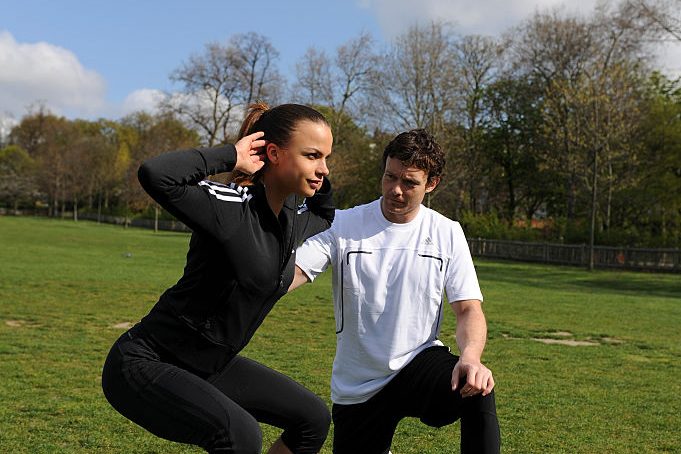
Adding weight to functional movements such as squats, lunges, deadlifts and presses places healthy stress on the bones and encourages them to become stronger. The NHS says weight-bearing and resistance exercises are particularly important for improving bone density and helping to prevent osteoporosis.
Cardiovascular exercise remains valuable for heart health and overall fitness, but it does not always provide the same muscle- and bone-loading stimulus as resistance training. A balanced routine should ideally include both.
Strength training can also improve balance, coordination and stability, which may reduce the risk of falls as we get older.
Discover what your body can do
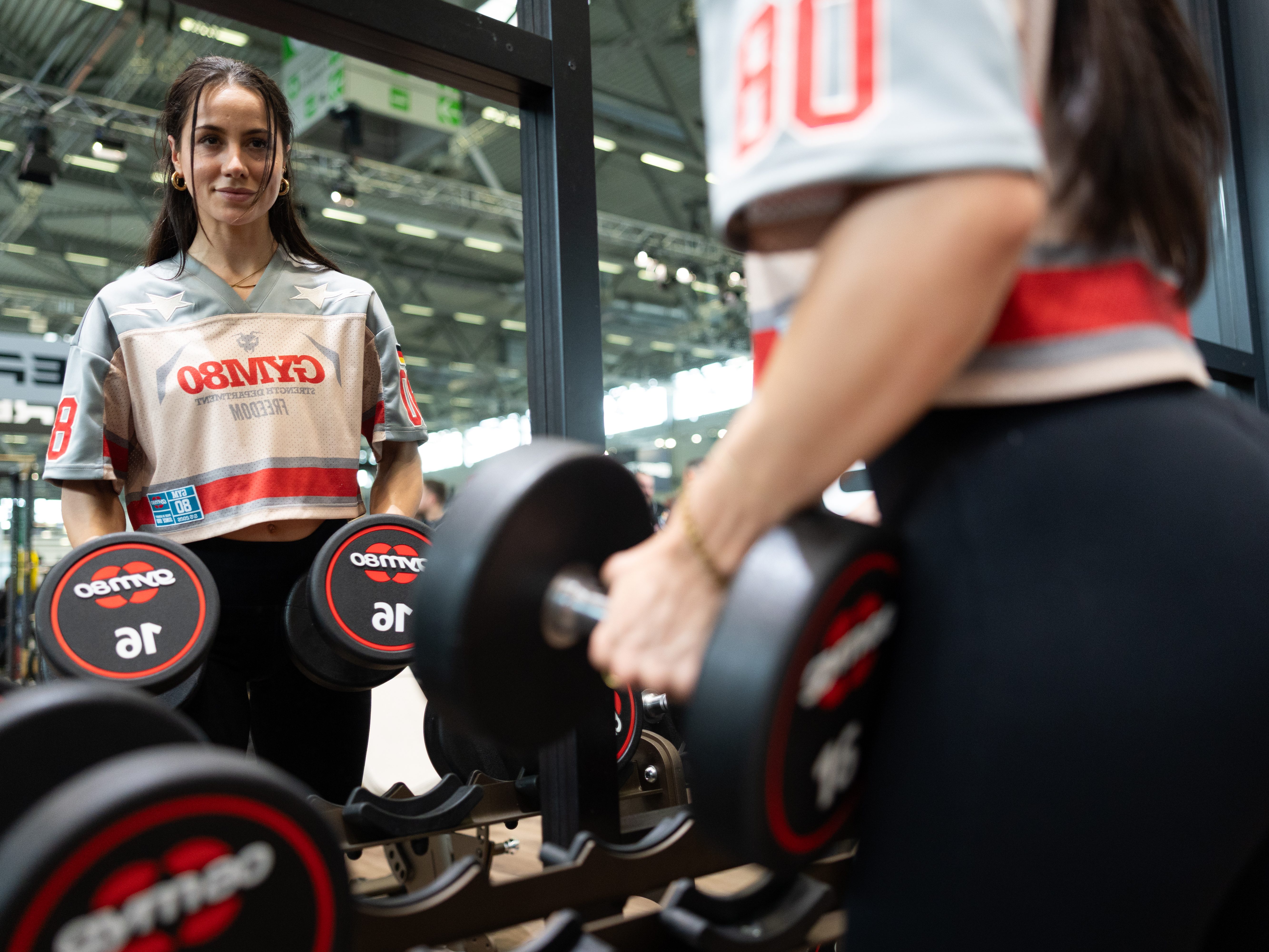
The benefits of getting stronger aren’t only physical. Strength training can also have a powerful effect on confidence and emotional wellbeing.
As a 50-year-old woman, there is something incredibly empowering about lifting weights that are heavier than I am or pulling my body over a pull-up bar, even when I use resistance bands for support.
Feeling yourself become stronger, seeing your progress and noticing that you can balance better or move more easily can build confidence in a way few other forms of exercise can match.
Many of the women I work with say they feel more grounded, resilient and connected to themselves after they begin strength training. It shifts the focus away from how the body looks and towards what it can do.
That change in mindset can spill into other areas of life, influencing everything from self-worth and personal boundaries to confidence and leadership. Strength training can be so much more than a workout.
Maintain your independence for longer
Maintaining muscle mass supports mobility, balance and independence as we age. Strong muscles help stabilize the joints, while improved movement quality can make everyday tasks – from carrying shopping to climbing stairs – feel easier.
Resistance training has also been associated with benefits for mood and cognitive health. Most importantly, it helps women build bodies that remain strong and capable through every stage of life.
Women who strength train often notice that they move better, recover more effectively and feel more in control of their wellbeing. The goal isn’t simply to add years to your life, but to help you remain active and independent during those years.
How to strength train twice a week
The beauty of strength training is that two sessions a week can be an effective and manageable place to start.
You could complete one lower-body and one upper-body workout, although two full-body sessions will often be the most practical option for beginners. Each workout should include movements that target the major muscle groups, such as:
- Squats or sit-to-stands
- Lunges or step-ups
- Deadlifts or hip hinges
- Rows
- Chest or overhead presses
- Core exercises
Consistency matters more than lifting the heaviest weights in the gym. The weight simply needs to be challenging enough that your muscles have to work and adapt, while still allowing you to maintain good technique.
Strength training twice a week is one of the most valuable investments a woman can make in her long-term health. It supports the metabolism, strengthens muscles and bones, builds confidence and lays the foundations for healthy ageing.
It isn’t about becoming a bodybuilder. It’s about creating a body that feels strong, stable and capable – and that continues to support you throughout your life.
Two sessions a week, a handful of effective movements and benefits that could last a lifetime.
Credit: Abby McLachlan, Personal Trainer & Founder of East of Eden