
Personal trainer and East of Eden founder Abby McLachlan explains why random workouts, lifting too light and skipping recovery could be holding back your strength training results
PICS: Getty Images
Strength training has never been more popular, and it’s fantastic to see more women discovering the confidence and health benefits that come with lifting weights. But with endless advice on social media, it’s easy to feel overwhelmed – or end up following random workouts that don’t actually move you closer to your goals.
The truth is, getting stronger isn’t about doing more. It’s about doing the right things consistently. If you’re constantly changing workouts or always reaching for the lightest dumbbells, you could be making progress much harder than it needs to be.
Mistake 1: Treating every workout as a standalone session
One of the biggest mistakes is treating each workout as a standalone session rather than part of a structured plan. Social media gives us access to thousands of workouts, but following a different influencer every day isn’t a training programme.
Your body adapts to the demands you place on it. If those demands change every session, it’s difficult to measure progress or build strength over time.
A good programme repeats key movement patterns, gradually increases the challenge and gives you the opportunity to improve week after week. That doesn’t mean doing the exact same workout forever, but it does mean sticking with the fundamentals long enough to master them.
Mistake 2: Always lifting too light
Many women still worry that lifting heavier weights will make them look bulky. In reality, women don’t have the hormonal profile to build muscle in the same way as men without years of dedicated training.
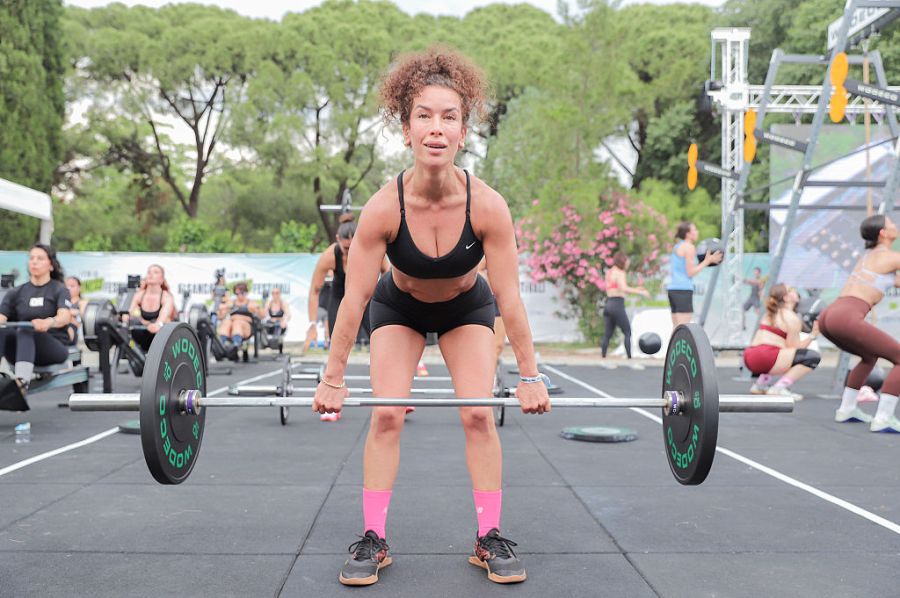
Lifting heavier weights builds stronger muscles, joints and bones while improving balance, mobility and everyday function. To keep making progress, you need to challenge your muscles through progressive overload – gradually increasing the demands placed on your body.
That could mean lifting a heavier weight, performing an extra repetition, improving your technique or slowing down each movement with greater control. The key is repeating the same core exercises so you can clearly measure your progress over time.
Mistake 3: Judging workouts by sweat
A tough workout isn’t defined by how sweaty, breathless or sore you feel afterwards. While those things can happen, they’re not reliable signs that your training is working.
Building strength is a long-term process that depends on consistency far more than exhaustion. You don’t need to leave every session completely wiped out for it to be effective.
Mistake 4: Neglecting recovery
Strength isn’t built during your workout – it’s built afterwards, when your body repairs and adapts.
If you’re under-fuelling, sleeping poorly or training hard every day without adequate recovery, you’re limiting your body’s ability to get stronger. Rest days aren’t a setback; they’re an essential part of any successful strength programme.
Mistake 5: Comparing yourself to everyone else
It’s easy to scroll through social media or look around the gym and feel as though everyone else is lifting heavier or progressing faster. But strength training is deeply individual.
Your programme should reflect your goals, experience and lifestyle – not someone else’s highlight reel. Focus on good technique, gradually increase the challenge and stay consistent over months and years rather than searching for quick fixes.
The bottom line
Strength training is one of the most powerful things you can do for your health. It supports bone density, preserves muscle as you age, boosts metabolic health and builds confidence that extends far beyond the gym.
If you’re struggling to get started or feel like you’ve hit a plateau, remember this: stop chasing the perfect workout and start committing to a proven, consistent plan. The basics may not be the most exciting, but they’re almost always the most effective.