


From vaginal dryness and painful penetration to exhaustion and low desire, menopause can derail your sex life. Experts reveal the treatments, practical solutions and intimacy tips that can help you rediscover pleasure and feel connected to your body again.
Pics: Getty Images
Whilst many women continue to have an active sex life during menopause, others can struggle. From falling oestrogen levels that can cause vaginal dryness to pain during penetration, experts advise on how to overcome menopausal symptoms so you can enjoy menopause sex
As a menopausal woman, I can sympathise with anyone who has experienced problems when it comes to sex; in my case it has been due to a lack of energy and mood swings. Fortunately going on HRT has been transformative for me, but I’m aware other women are not so lucky and can suffer terribly with all sorts of different symptoms and who, for a variety of reasons, may not be on medication. Understanding why sex can change during menopause and how it is a natural occurrence, can help many women feel less alone and more in tune with what is going on with their bodies..
“I think women sometimes worry that they’ve somehow “lost” their sexuality during menopause,” explained Dr Nikki Ramskill, women’s health GP and founder of The Female Health Doctor clinic. “However, often their body simply needs something different from it than it did ten or twenty years ago.”
Why can sex start to feel different during perimenopause and menopause?
“Sex can change during perimenopause and menopause for lots of different reasons,” added Dr Ramskill. “Falling and changing oestrogen levels affect the tissues of the vulva and vagina. They can become drier, thinner and less elastic, and women may produce less natural lubrication during arousal. That can mean sex suddenly starts to feel uncomfortable, sore or even painful when it never did before.
“But there are lots of other things happening at this stage of life too. If you’re exhausted because you’re waking with night sweats, struggling with your mood, experiencing joint pain, feeling uncomfortable in your body or juggling a huge amount of stress, it’s hardly surprising if sex isn’t particularly high on your priority list.”

Is low libido simply caused by hormones?
“For women, libido is much more complicated than an oestrogen or testosterone level.
“Hormones absolutely play a part, but sexual desire is also influenced by sleep, stress, mood, relationships, body image, medication, physical health, energy levels and whether sex actually feels pleasurable,” explained Dr Ramskill.
“There’s also a vicious circle that can develop when sex becomes painful. If you’ve experienced pain during sex, understandably you may start anticipating that pain the next time. That can make it harder to relax and become aroused, which may mean less natural lubrication, which can then make sex even more uncomfortable. Sometimes treating the discomfort is an important first step to getting things up and running again.”
What can women do if sex has become uncomfortable?
“The most important thing I’d say is don’t push through pain,” she adds. “Sex shouldn’t be something you grit your teeth and endure because you assume discomfort is simply part of getting older.
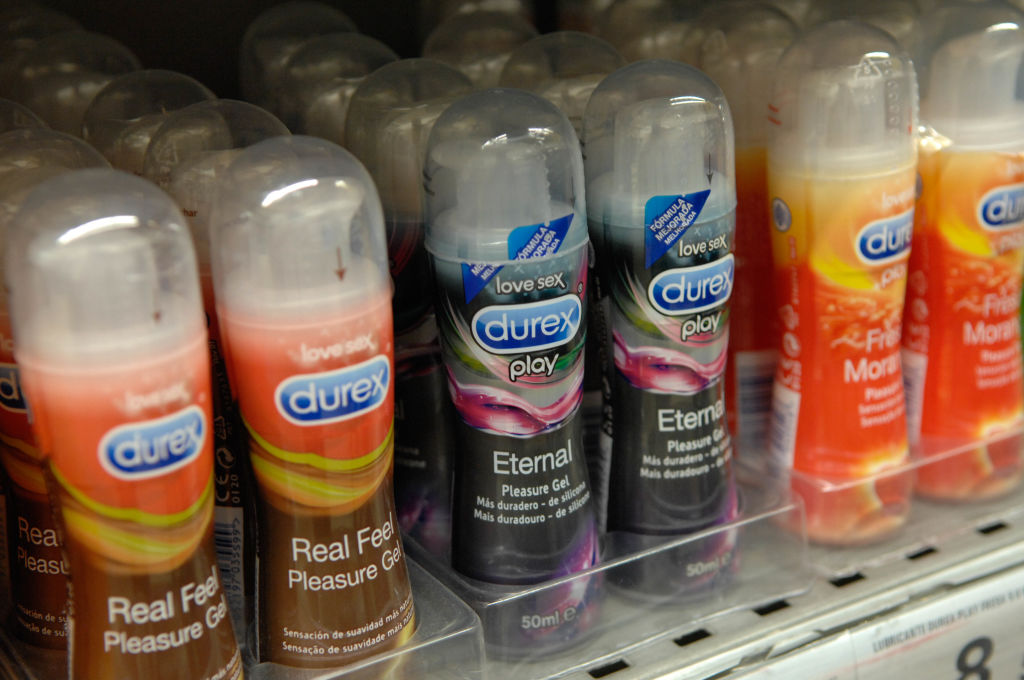
“Good use of oil and water-based lubricants can make an enormous difference as can regular pH-balanced moisturising. Lubricants are designed to reduce friction during sexual activity, whereas vaginal moisturisers are used regularly to help manage ongoing vaginal dryness. Women can use both.
“Just a thing to note, if you choose oil-based lubricants, they will impact the integrity of condoms, so it’s best to use water or silicone based lubricants instead. It can also help to allow more time on foreplay. What worked for your body at 25 may not necessarily be what it needs at 45 or 55.
“Longer foreplay, experimenting with different kinds of touch, changing positions, using pillows for support or even taking penetration off the agenda for a while can remove some of the pressure and allow couples to rediscover what actually feels good.”
What about vaginal oestrogen?
“For women experiencing menopausal vaginal dryness, burning, soreness or painful sex, vaginal oestrogen can be extremely helpful,” advised Dr Ramskill.
“It’s a low-dose treatment applied directly to the vaginal tissues and is available in several different forms. What women don’t always realise is that they may still need vaginal oestrogen even if they’re already taking HRT.”
In agreement is urologist Dr Taghechian.
“I hate seeing menopausal patients think that painful sex is just an inevitable part of aging. While it is normal, it does not have to be a part of life moving forward. Vaginal oestrogen is a game changer for almost every woman I see over 45 experiencing vaginal dryness and painful sex. And HRT may be an excellent option for many women with significant menopausal symptoms.”
Can testosterone help with libido?
“For some menopausal women, testosterone can be helpful, but it isn’t the answer to every libido problem,” explained Dr Ramskill.
“Before considering testosterone, I’d want to look at the whole picture.
“Is sex painful? Vaginal dryness being adequately treated? Is she exhausted? How is she sleeping? Could medication be affecting libido? How is her mood? Are there relationship difficulties? And importantly, what does she actually want from her sex life?
“If low sexual desire associated with menopause continues despite addressing these factors and optimising HRT where appropriate, testosterone may be considered.”
According to another expert, Dr Alyssa Dweek, chief medical officer of the Bonafide Health and Menopause Society, testosterone can help if you have little desire for sex.
“Libido is complex in women. We tend to approach low libido within a biopsychsocial framework. In other words, addressing hormonal status, physical symptoms including vasomotor symptoms (VMS) and dyspareunia, medical issues (ie: diabetes, CVD, thyroid, arthritis), relationship concerns, stress levels, and cultural/value based concerns. Testosterone can be used off label, (since it is not FDA approved in women) to address low desire and can certainly help boost your libido.”
She adds: “If time commitments get in the way, planned date night/intimacy times can be put in the calendar. Bibliotherapy, with erotica, romance or, if comfortable, pornographic material may help bring sexual thoughts to the top of the mind.”
Other remedies to support increased libido, desire, and connection
According to sex and relationship therapist Naomi Zelin, who works with a lot of women struggling with sex during their menopause years, it can also be worth trying the following:
- Setting up intentional time to connect with your partner.
- Learning what turns the brakes on desire, and what revs your engine.
- Use lots of LUBE! This is your best friend.
- Work out your relationship concerns and troubles with a therapist. Great sex requires safety and connection; if you do not feel either emotionally or physically safe, good sex will be hard to have. Make sure consent and safety are at the forefront of your work before anything else.
- Sex at this age takes more time for the body to get ready and excited; schedule time to connect that is not explicitly sex-forward. Massages, cute text messages, and outfits you feel sexy in are all great ways to get the brain and body ready for intimacy later.
- Women’s bodies take between 20-45 minutes for genitals to get fully engorged; take your time to enjoy ways of exploring pleasure – porn has ruined people’s brains into thinking people are turned on instantly and ready to go; this is further from the truth. Take time luxuriating in more sensual and slow touching.