
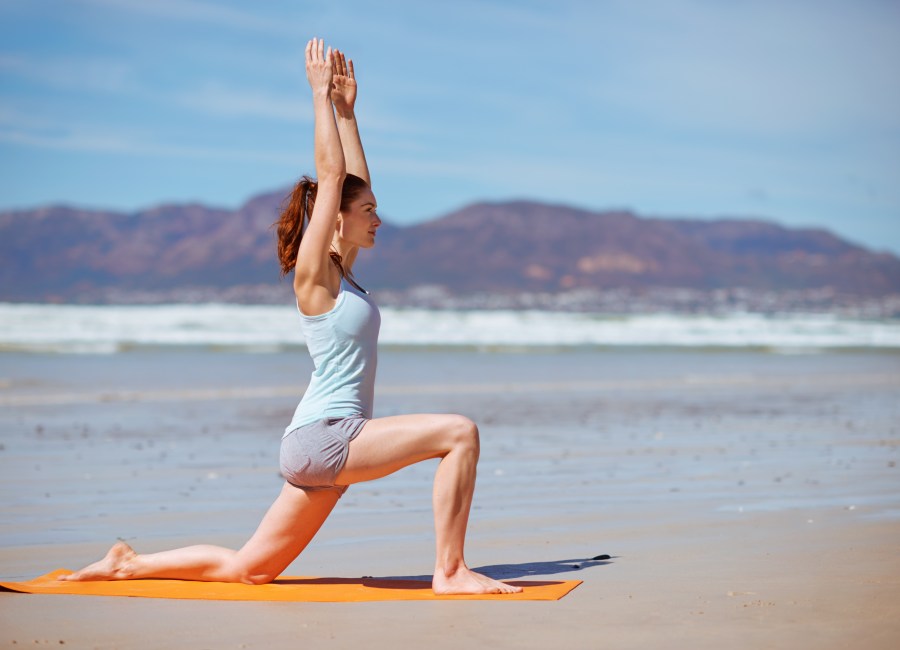
Nervous system educator and movement specialist Vanessa Michielon explains how you can release tension, improve focus and support emotional balance with somatic Pilates
Words: Vanessa Michielon | Images: Shutterstock
Ihave been practising somatic movement for more than 20 years and teaching Pilates for almost 10, and, over the years, it has evolved from a form of exercise into a way of living.
Somatic movement has helped me let go of perfectionism, manage the risk of injury more intelligently, use my energy more efficiently, and feel calmer, more grounded and more connected to my body.
If you haven’t come across it before, somatic Pilates blends precise movements with somatic awareness practices such as Feldenkrais and Body-Mind Centering. The focus is less on sculpting muscles or breaking a sweat, and more on sensing what is happening inside the body, for instance how tension, stress or habitual holding patterns live in our chest, spine, shoulders and hips, and how our slow breath and subtle repetitive movements can help to release them.
Unlike conventional Pilates, which often emphasises external cues and fast, dynamic exercises, somatic Pilates is about exploring sensation without rush or competition. It encourages curiosity, choice and trust in your body, giving you the opportunity to notice old patterns without judgement and discover gentler, more efficient ways of moving. In short, it is a practice of awareness, rest and reconnection, improving focus, calming the nervous system, relieving stress and supporting emotional balance.
Today, my practice combines the strength and precision of Pilates with the curiosity and gentleness of somatic practices. Rather than encouraging you to push harder, my goal is to help you move more efficiently, release unnecessary tension and build a body that feels strong, resilient and supported, especially if you are balancing a busy, demanding life.
To experience the benefits for yourself, the following sequence can be practised daily to prepare your body and centre your mind in the morning, or before going to sleep in the evening, to release tension from your spine and help you feel more grounded and relaxed.
Try somatic Pilates if you…
- Work in high-pressure environments or juggle multiple responsibilities, including motherhood
- Are recovering from burnout, chronic stress or emotional fatigue
- Are an overachiever or perfectionist looking for a movement practice that’s free from self-judgment
- Are embracing midlife and want a safe, mindful way to stay strong, mobile and resilient
5 introductory somatic Pilates exercises
Seated pelvic rocking
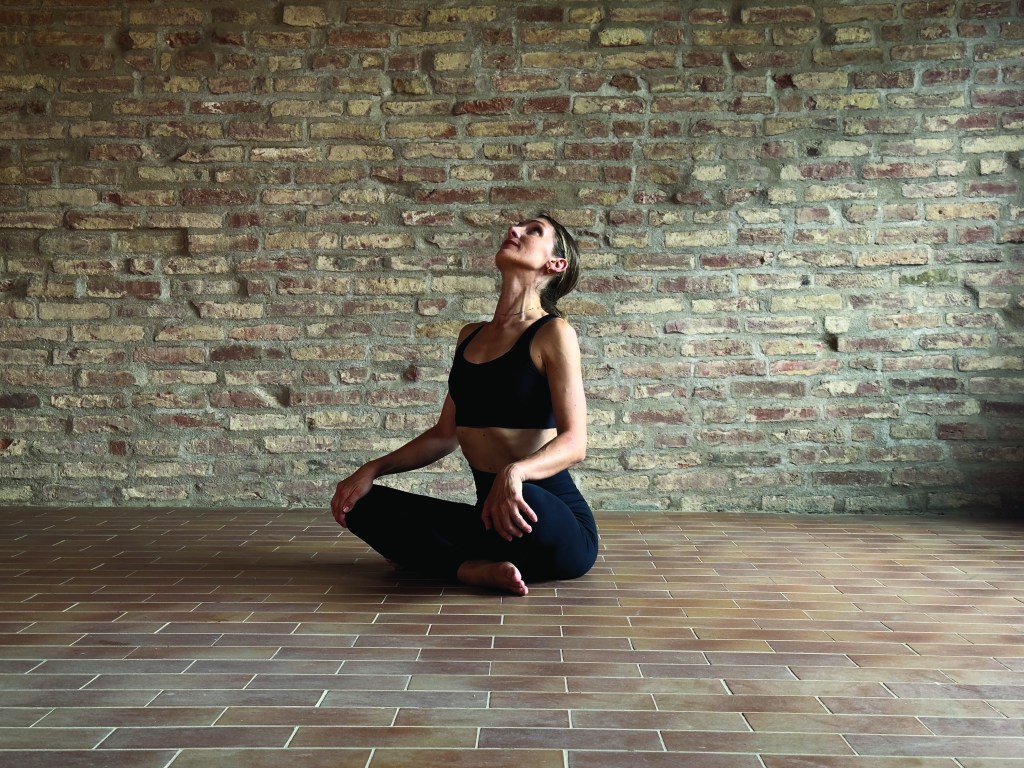
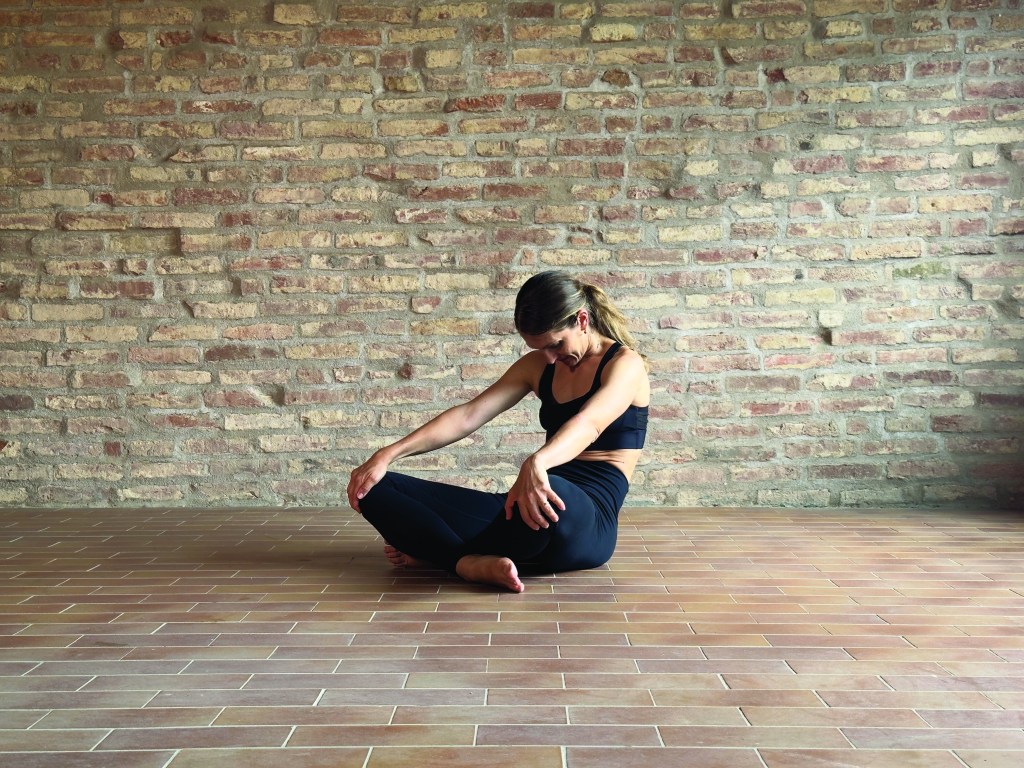
- Sit upright on the floor or on a folded blanket, knees bent or legs crossed comfortably.
- Place your hands on your thighs and feel your sit bones underneath you.
- Inhale and gently rock your pelvis forward, allowing your spine to lengthen (A).
- Exhale and rock your pelvis back, letting your spine round softly (B).
- Keep the movement small, smooth and continuous, like a gentle wave, sensing the change in pressure of your sit bones on the floor and noticing any sticky areas along the spine, inviting them to slowly release.
- Continue for 1 minute, allowing your breath to guide the rhythm and increasing your range of motion if you feel comfortable.
Somatic benefits: Seated pelvic rocking improves awareness of pelvic positioning and spinal mobility while gently calming the nervous system. It reduces stiffness from prolonged sitting, supports healthy posture and helps integrate movement with breath. This exercise is grounding and centring, making it an excellent starting point for more complex movements or a closing exercise transitioning from activity to rest.
Bent-knee leg slide to lift
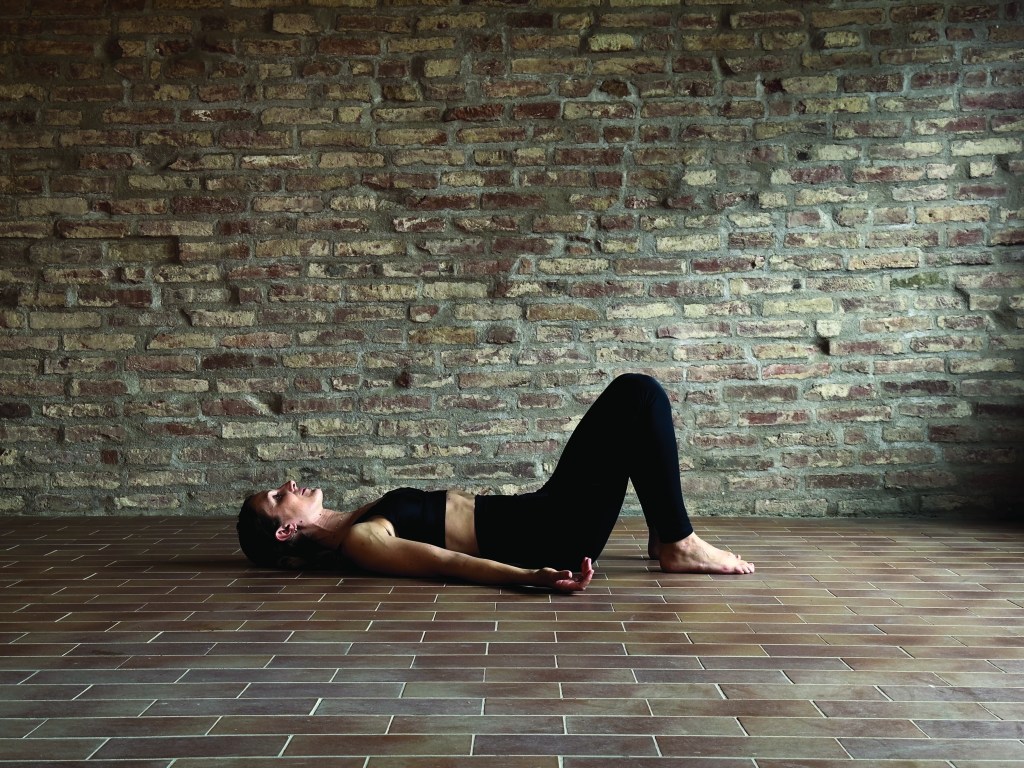
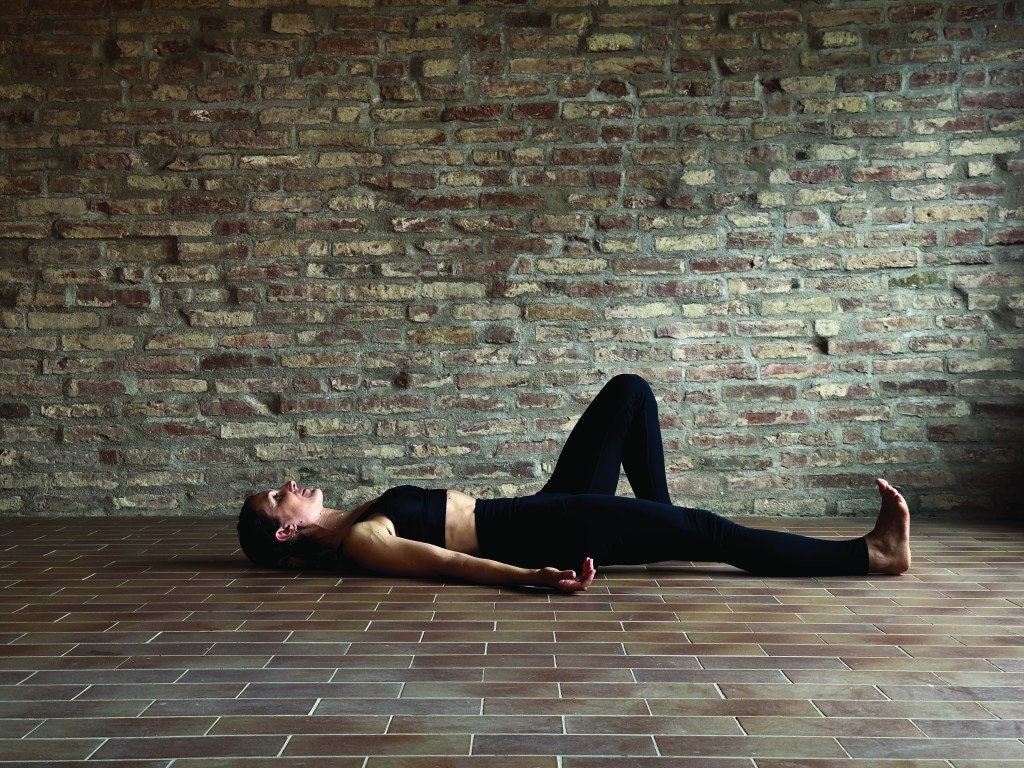
- Lie on your back with knees bent, feet hip-width apart (A).
- Inhale to soften your belly and ribs. On the exhale, slide one foot away along the floor, keeping the pelvis steady (B).
- When one leg is long, lightly float it a few centimetres off the floor – or towards a diagonal if this feels too strong on your back – without changing your spinal shape.
- Inhale to pause, then exhale to lower and slide your leg back in.
- Alternate sides slowly, maintaining smooth breath and minimal effort, and trying not to move your hips or change the amount of pressure of your lower back on the floor.
- Practise 8-10 times for each leg.
Tip: Focusing on the sensation of reaching your leg long – as if your thigh bone is sliding away from the hip socket to make more space – before you float it upwards in the most effortless way.
Somatic benefits: This exercise builds leg strength and deep core support while improving coordination between your pelvis, spine and limbs. It reduces compensatory gripping and teaches your body how to generate power from the centre in a very efficient way. It is particularly beneficial for people who feel unstable during leg work, tend to overwork their hip flexors, or have a poor feeling of connection to their physical and psychological centre.
Supine spinal twist
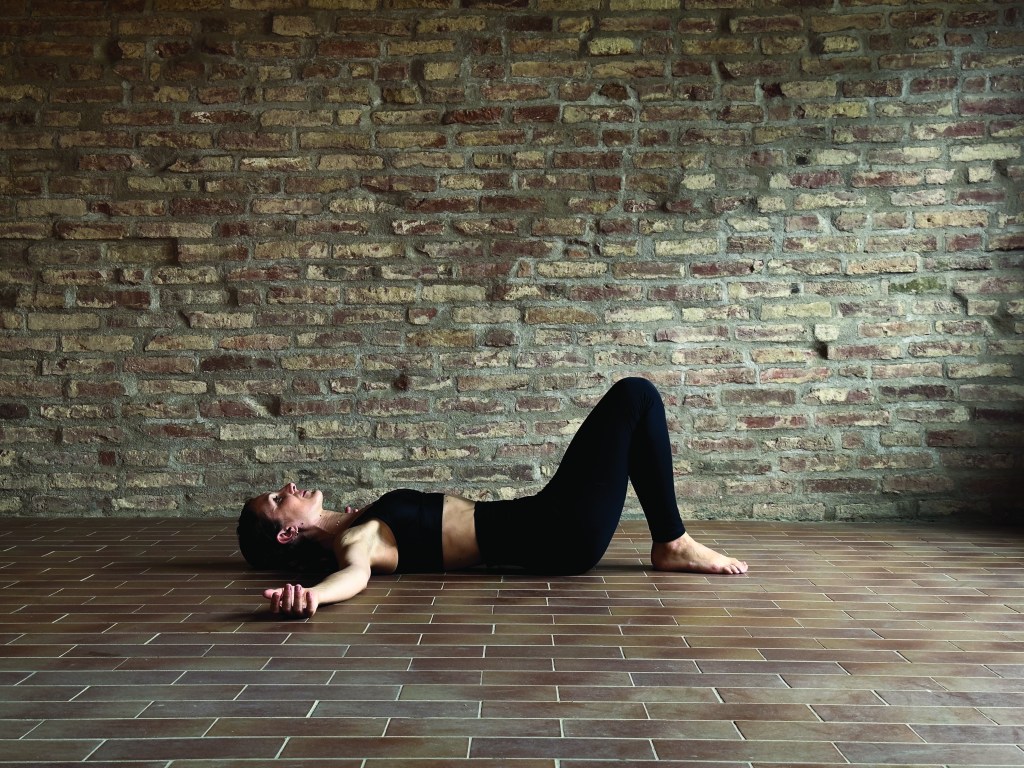
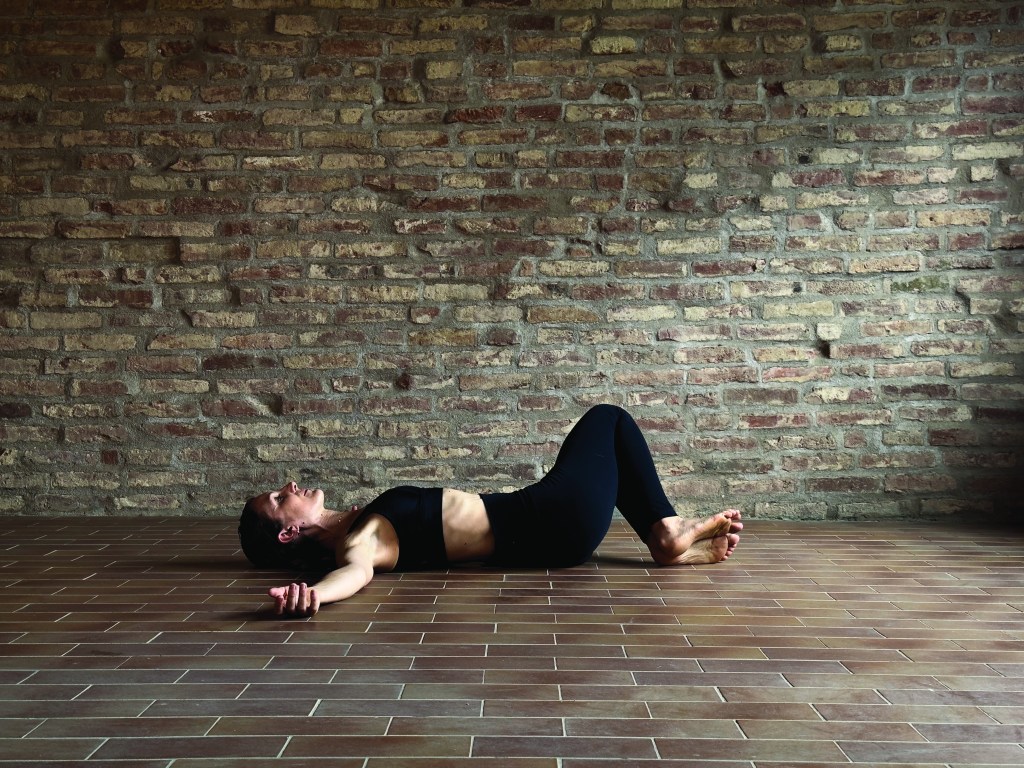
- Lie on your back with knees bent and feet on the floor, hip-distance apart.
- Open your arms into a ‘T’ shape, grounding through the entire upper back, shoulders and arms (A).
- Inhale gently and allow both knees to drop to one side, imagining you are holding a piece of paper in between them, keeping your shoulders grounded (B).
- Exhale to return to centre with control, maintaining a soft connection through your core.
- Repeat to the other side, keeping your jaw and chest relaxed, neck long, back of the lungs melting towards the ground and breath continuous.
- Continue repeating 5-8 times for each side.
Tip: Focus on sensing the different connection points between your back body and the floor, feeling a gentle massage around your mid and lower back.
Somatic benefits: This exercise enhances thoracic rotation, reconnects the breath with spinal mobility and improves gentle core engagement while maintaining alignment through the lower back and pelvis.
Bent-knee leg floats
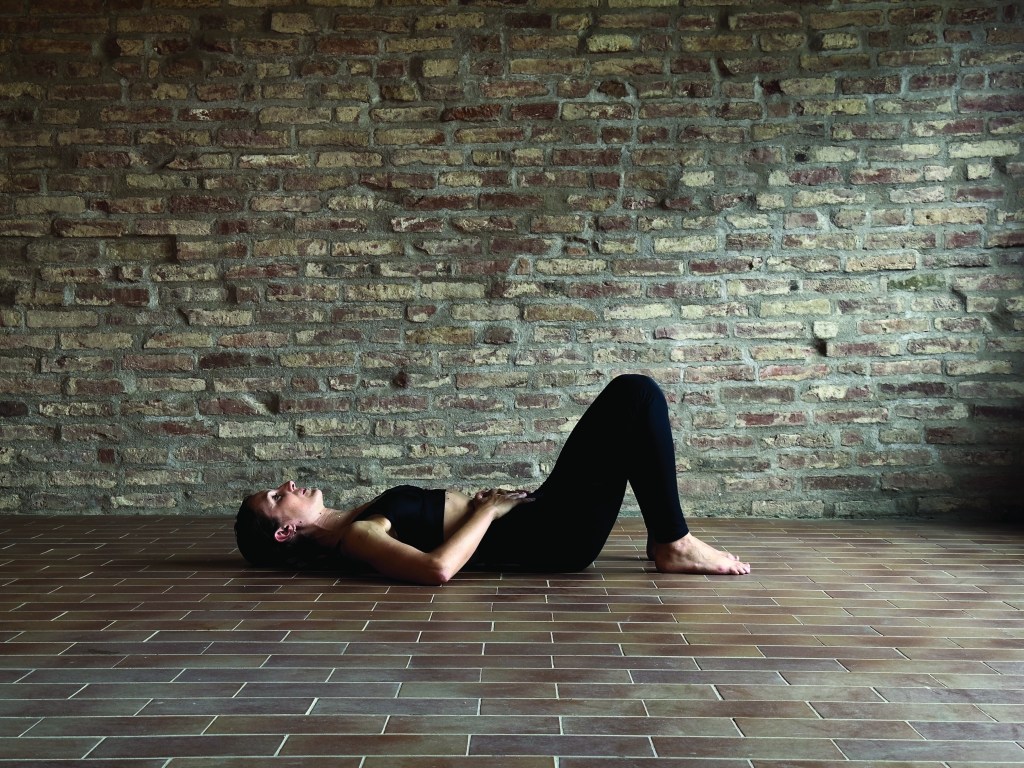
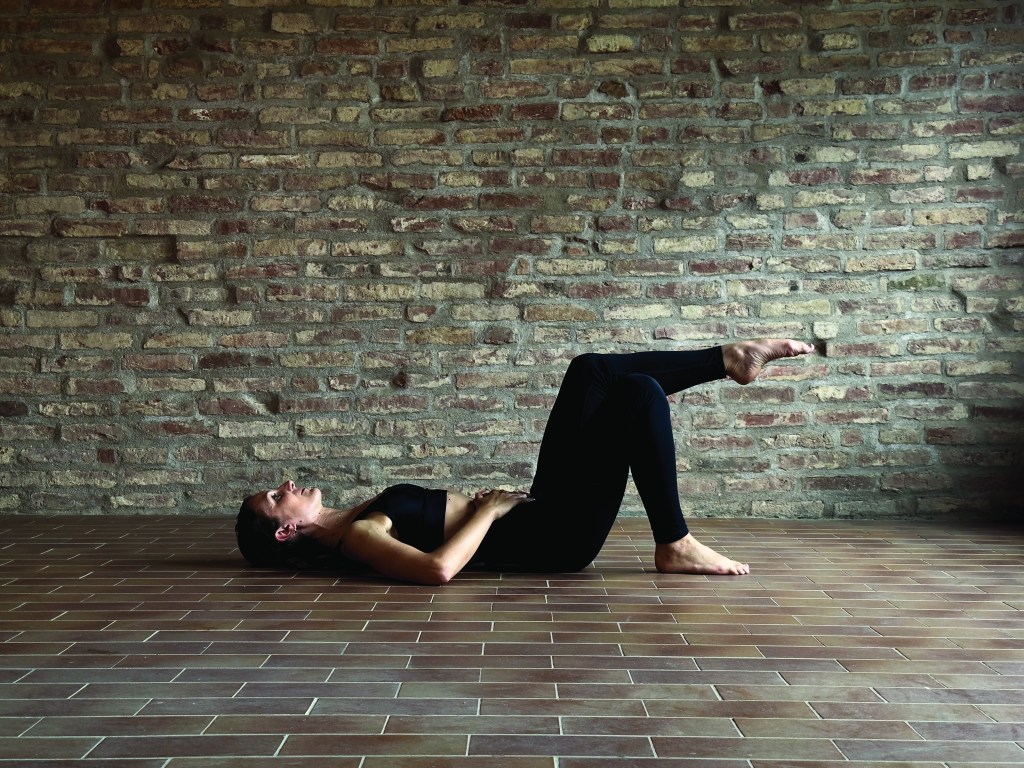
- Lie on your back with knees bent, feet flat and pelvis neutral. Place your hands on your lower belly (A).
- Inhale softly, allowing the breath to expand naturally. As you exhale, gently sense your lower belly drawing inward without bracing.
- Keeping your pelvis completely still, slowly float one knee up to a tabletop position (B).
- Inhale to pause, then exhale and lower your foot back down with control.
- Alternate sides, moving slowly and keeping the movement smooth and quiet.
- Continue repeating 8-10 times for each side.
Somatic benefits: This exercise builds deep, functional core stability by teaching the body how to stabilise the pelvis while the legs move. It improves coordination between breath, abdominal support and hip movement, reducing strain on the lower back. It’s especially beneficial for people with back sensitivity, postural instability or those rebuilding confidence in their core after injury or childbirth.
Turning over (rolling)
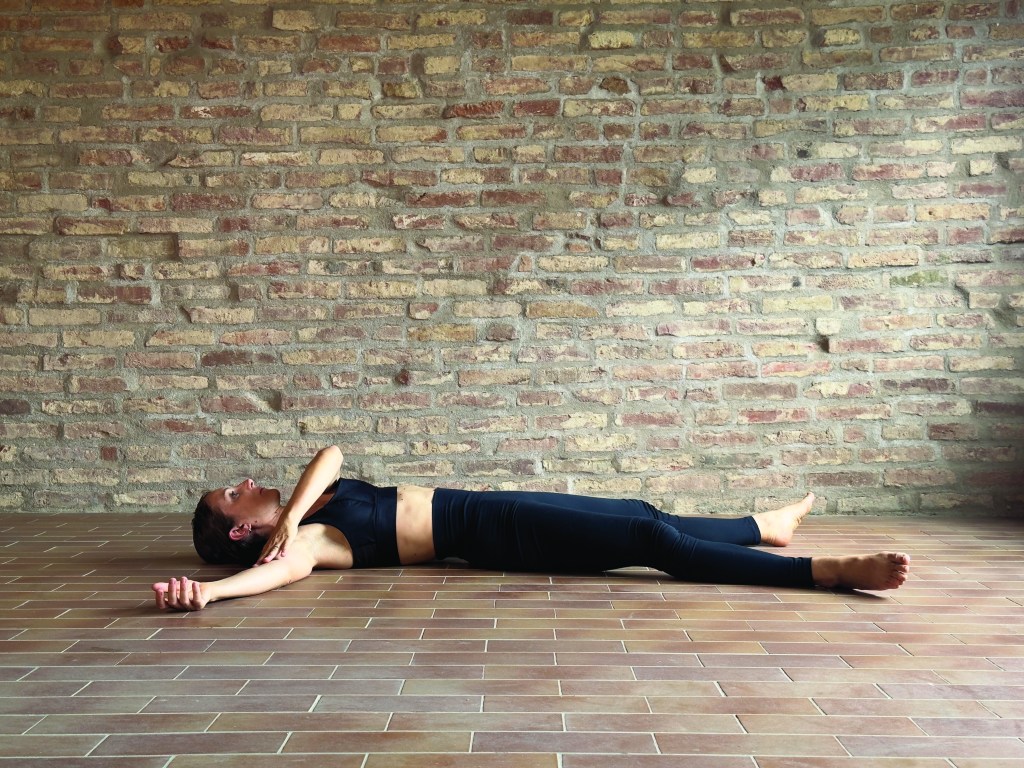
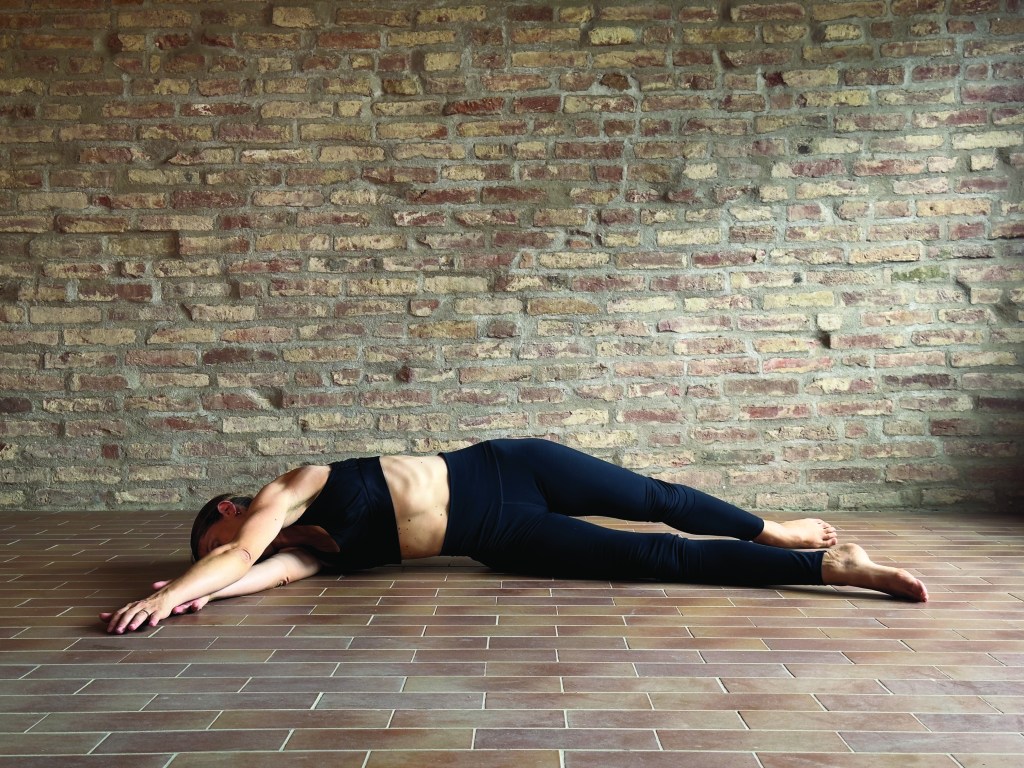
- Lie on your back in a star fish or ‘X’ shape, your body as relaxed as possible.
- Move your left fingertips across your chest using the minimum amount of effort, aiming for your right shoulder (A), then keep on pulling through your fingers to reach towards your right hand, slowly rolling over to your right side (B). Allow your whole body to be carried by your fingers, keeping every muscle as relaxed as possible.
- Once you have completed the movement, rest for a couple of breaths and roll back to the starting position, this time initiating the movement from your left toes, which now aim for your low diagonal on the left side (i.e. their original position).
- As you return back to your centre, allow your arms and head to roll as passively as possible, only dragged by the energy of your left leg.
- Repeat on the other side, 5 times each side in total.
Tip: As you practise, try not to break the connection in your lower back, so if you notice you are going into a deep backbend or your back feels uncomfortable, gently hug your ribs and hips towards each other. Also, try to keep your head always on the floor, so you can receive a nice massage and fully let go of any muscular tension in your neck.
Somatic benefits: Rolling is a developmental pattern humans learn in infancy. Reintroducing it helps reset global muscular tension, improve whole-body coordination and re-establish natural sequencing through the spine. The predictable, rhythmic motion soothes the nervous system and reduces anxiety. It’s especially helpful for people who feel mentally overloaded, disconnected from their bodies, or tense through the upper back and shoulders. It is also a fantastic way to feel more grounded from the body to the mind, especially if you focus on releasing all your body weight as you move from one position to the other.
Vanessa Michielon is a movement specialist and nervous system educator. Founder of the Transformative Movement Method (TMM), she integrates polyvagal theory, somatic healing, yoga psychology and Pilates, offering a grounded, evidence-informed perspective on stress, resilience and embodied strength. Find out more at vanessamichielon.com and follow her on IG @vanessamichielon