

Not sure which lane to choose, how to let faster swimmers pass or where to stop for a rest? These simple pool etiquette tips will help you feel more confident, avoid awkward collisions and enjoy your next swim
Pics: Getty Images
You’ve packed your swimsuit, found your goggles and made it to the pool. Then you look at the lanes. Everyone seems to know exactly where they’re going, when to push off and how to turn without causing a collision.
Meanwhile, you’re standing at the edge wondering whether “medium” means reasonably confident or capable of swimming the Channel.
Lane swimming has conventions that can seem obvious to regulars and completely mysterious to newcomers. Understanding a few of them makes sharing the water easier, and leaves you free to concentrate on your swim.
Choose by pace, rather than ambition
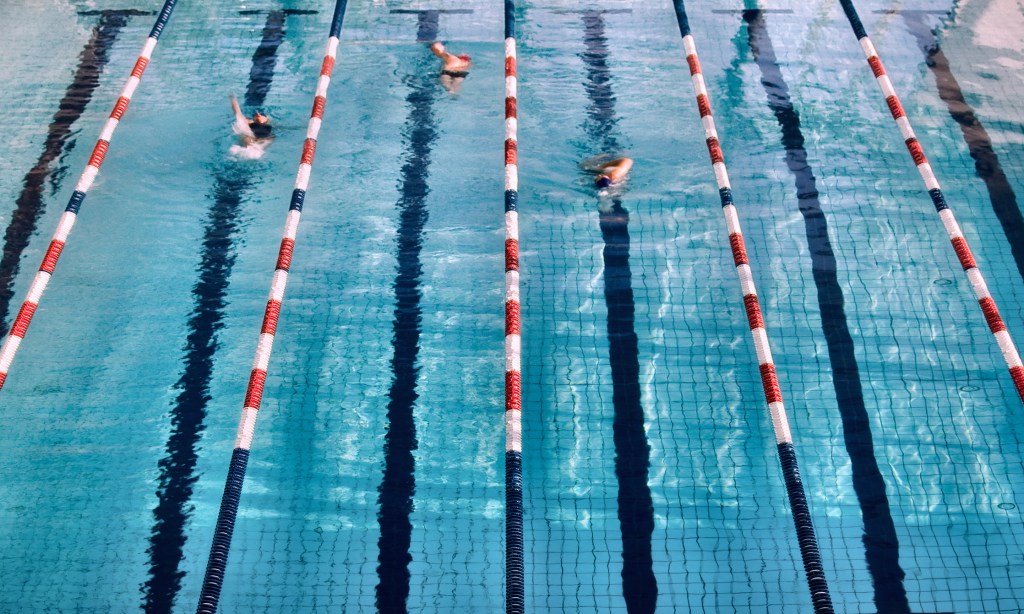
Before getting in, watch the swimmers for a couple of lengths. Lane labels are a starting point, but the pace within them can change between sessions. Choose the lane that best matches the speed you can comfortably sustain, including with the stroke you intend to use.
Active Stirling advises swimmers to observe before entering and change lanes if their pace doesn’t match those around them. There’s no need to stick with your first choice throughout the session.
If you’re uncertain, ask the lifeguard. “I’m returning to swimming and will need regular breaks, which lane would you suggest?” gives them useful information.
Check the direction
Look for the sign at the end of the lane showing which way to swim. Some lanes circulate clockwise; others go anticlockwise.
Don’t assume everyone should keep left, or copy the neighbouring lane without checking.
Wave Active asks swimmers to follow the displayed direction and allows side-by-side swimming only during particularly quiet sessions. Local instructions take priority over an arrangement you remember from another pool.
Knowing the direction before entering is especially useful if you’re joining a lane where people are already moving.
Join without interrupting a turn
Enter using the permitted access point, checking that nobody is about to reach the wall.
Take a moment to get organised before pushing off. Adjusting your goggles while standing across the centre of the lane can obstruct somebody who needs space to turn.
Look behind you, too. If a faster swimmer is almost at the wall, let them turn and move away before starting.
Leave a clear gap rather than following immediately behind someone’s feet. You’ll give both of you room to settle into a rhythm.
Let overtaking happen calmly
If another swimmer catches you repeatedly, allow them to pass at the wall. Move aside, let them set off and leave space before following.
You haven’t failed a test, you’ve helped the lane work. If you catch someone else, avoid crowding them or repeatedly touching their feet. Wait for an appropriate opportunity to pass, following the pool’s rules.
Active Stirling recommends allowing faster swimmers through at the end and overtaking only when it is safe, with attention to people coming towards you.
If the speed difference keeps creating problems, consider another lane or ask staff for help.
Rest where others can still turn
Taking breaks is entirely compatible with lane swimming. When you stop, move to the side or corner at the wall so people can finish their lengths and push off. Keep the centre clear, particularly when several swimmers arrive together.
The same applies if you’re chatting to a friend. Stand where you aren’t blocking the route through.
If the lane is busy, save longer conversations for the poolside or changing room. Everyone has come to use the water, including those who need more frequent rests.
Keep your first visit straightforward
For an early session, choose a stroke you can manage confidently and take breaks before your technique deteriorates. Check whether training aids are permitted before bringing fins, paddles or other equipment.
There’s no requirement to arrive with a complicated workout. You could simply note how many comfortable lengths you complete and how the session feels.
Before leaving, ask reception which sessions tend to be quieter or suitable for less confident swimmers. If completing a length is still a struggle, adult lessons may be a more useful next step.
You don’t need to become the fastest person in the pool. Knowing how to share the lane gives you a much better starting point.
Active Stirling is a sports and leisure charitable trust, based in Stirling. For for info see Active Stirling