
At 69, Sally Haas struggled with painful knees, weakening muscles and a growing fear of getting older. Three years later, she’s deadlifting 215lb, competing in powerlifting competitions and inspiring women to rethink what’s possible after 70. She tells Women’s Fitness how she transformed her body, confidence and outlook on life.
Most women in their 70s probably aren’t thinking about how much weight they can deadlift. But Sally Haas is.
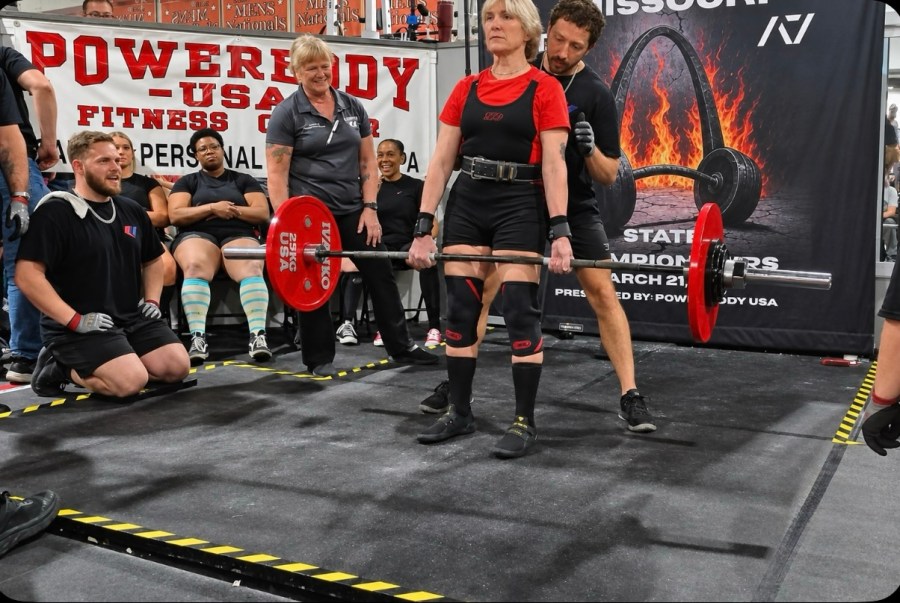
At 72, the American grandmother, better known on Instagram as gymgrannysally, can deadlift an astonishing 215lb (97.5kg), squat 140lb (63.5kg) and bench press 90lb (40.8kg).
And the most remarkable part of her story is that she didn’t even join a gym until she was 69.
Before discovering weightlifting, Sally was struggling with painful knees, declining strength and a feeling that life was becoming rather less exciting than it used to be.
Today, she’s competing in powerlifting competitions, inspiring women on social media and proving that getting older doesn’t necessarily mean getting weaker.
The decision at 69 that changed Sally’s life
Sally hadn’t always avoided exercise. When her children were younger, she led an active life. But by her 50s, things had started to change.
“My diet was poor, it hurt my knees to walk, and I didn’t work out,” she admits.
During her 60s, she broke a bone in her foot and fractured her wrist, which now has pins in it. She also underwent rotator cuff surgery.
Even everyday tasks were becoming difficult.
“Opening a jar had become a challenge, and I knew that was a warning sign. It wasn’t just my hands; I could sense that all the muscles in my body were getting weaker.”
Then, around three years ago, Sally and her husband moved from Chicago to St Louis.
Having previously enjoyed performing stand-up comedy and spending time around younger people, Sally wasn’t ready to settle into a quieter life. But the move had left her feeling unsettled.
“I felt like I’d lost my spark. I thought there must be more, but I didn’t know where to find it, and I was worried that growing old meant growing bored.”
Fortunately, her husband and daughter had other ideas.
“They staged an intervention,” she laughs.
Their suggestion? Join a gym.
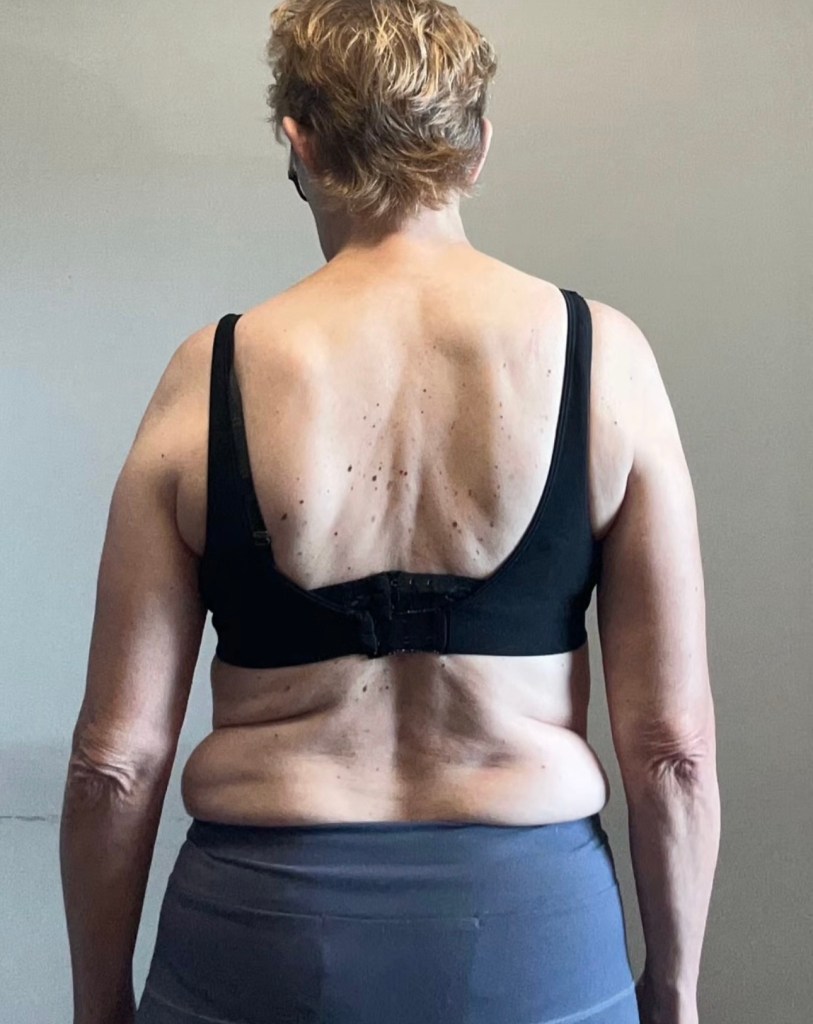
Why walking into the gym was the hardest part
Despite her outgoing personality, Sally admits she found the prospect of joining The Edge Fitness Clubs in Shrewsbury, Missouri, intimidating.
“Signing up was the scariest part. I’m usually fine on my own, but I needed my husband to come with me that first time.”
Initially, she stuck to walking on the treadmill and using the elliptical machine.
Her gym has a cinema-style workout room, which was ideal for someone who wasn’t yet comfortable exercising in front of other people.
“That’s where I felt most comfortable, walking and using the elliptical in the dark.”
Gradually, however, Sally’s confidence grew. And once she started working with a personal trainer and lifting weights, everything changed.
The progress
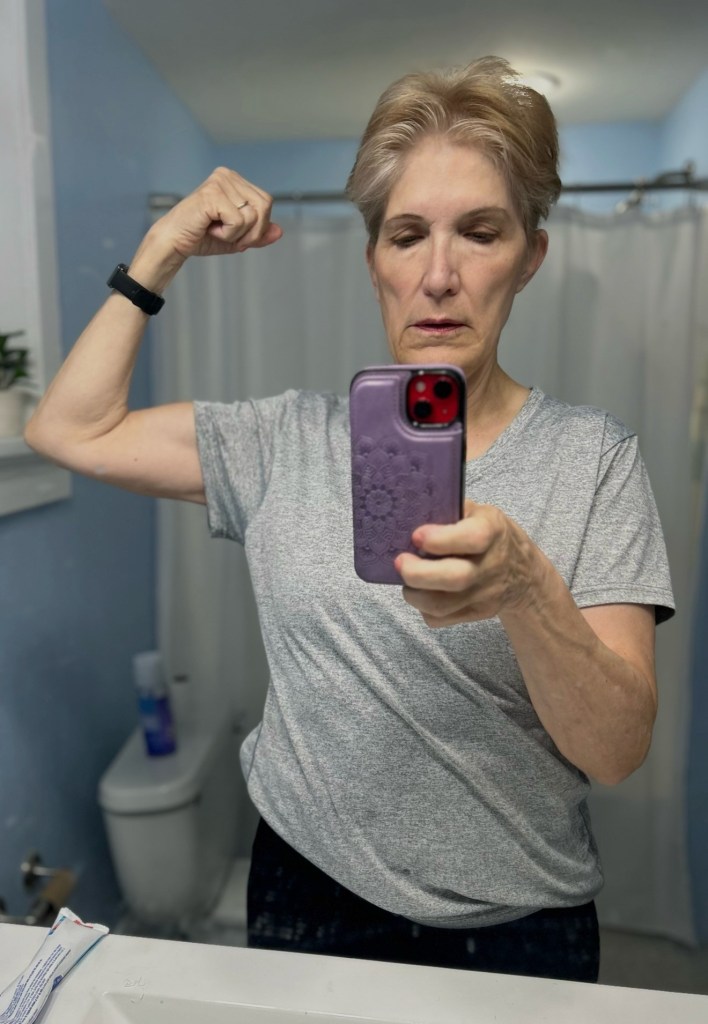
Six months later, Sally barely recognised herself
She began strength training and improving her diet, although the results weren’t immediately obvious.
“At three months, I felt so much stronger, which surprised me, because I couldn’t see much change in my muscles yet.”
But by six months, the physical difference was impossible to ignore.
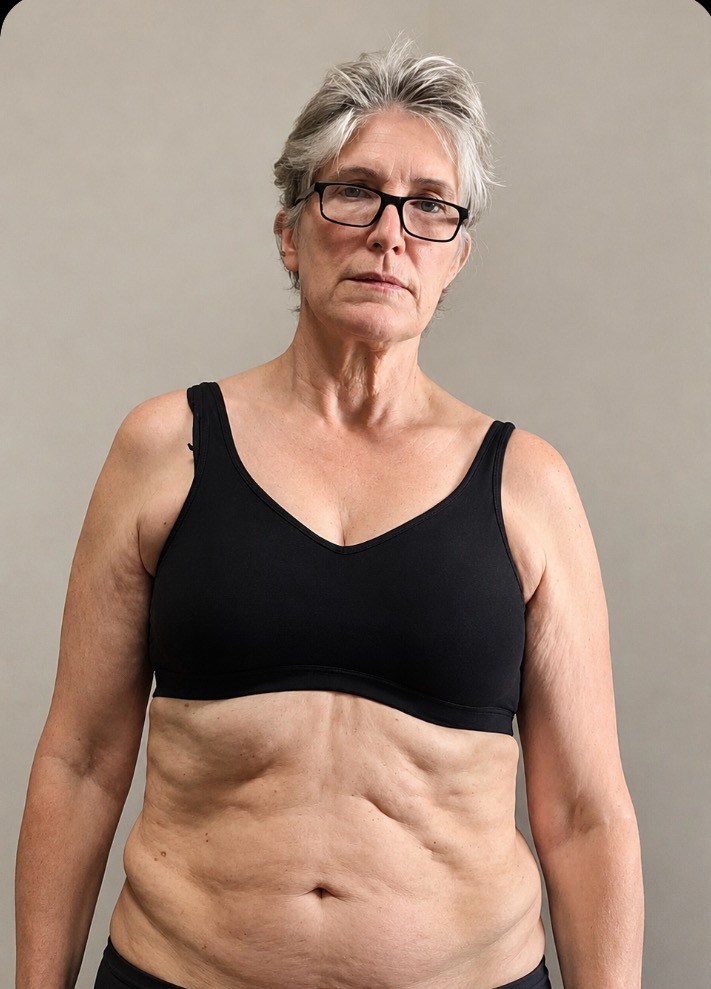
“I was actually shocked when I looked in the mirror. I was slimmer, I had definition in my arms, and I felt so much more confident.”
Her posture improved, her balance became better and she had more energy than she’d experienced in years.
Perhaps most importantly, everyday activities no longer felt like a struggle.
“I have so much more energy at 72 than I did at 69,” she says.
“I have no trouble lifting anything anymore – I deadlift 215 pounds. And the best part? My knee pain is completely gone.”
Sally says she hasn’t suffered a single training injury since joining the gym, something she credits partly to careful coaching and learning the correct technique.
And whilst looking stronger has certainly been a bonus, it’s what her body can now do that excites her most.
From gym beginner to powerlifting competitor
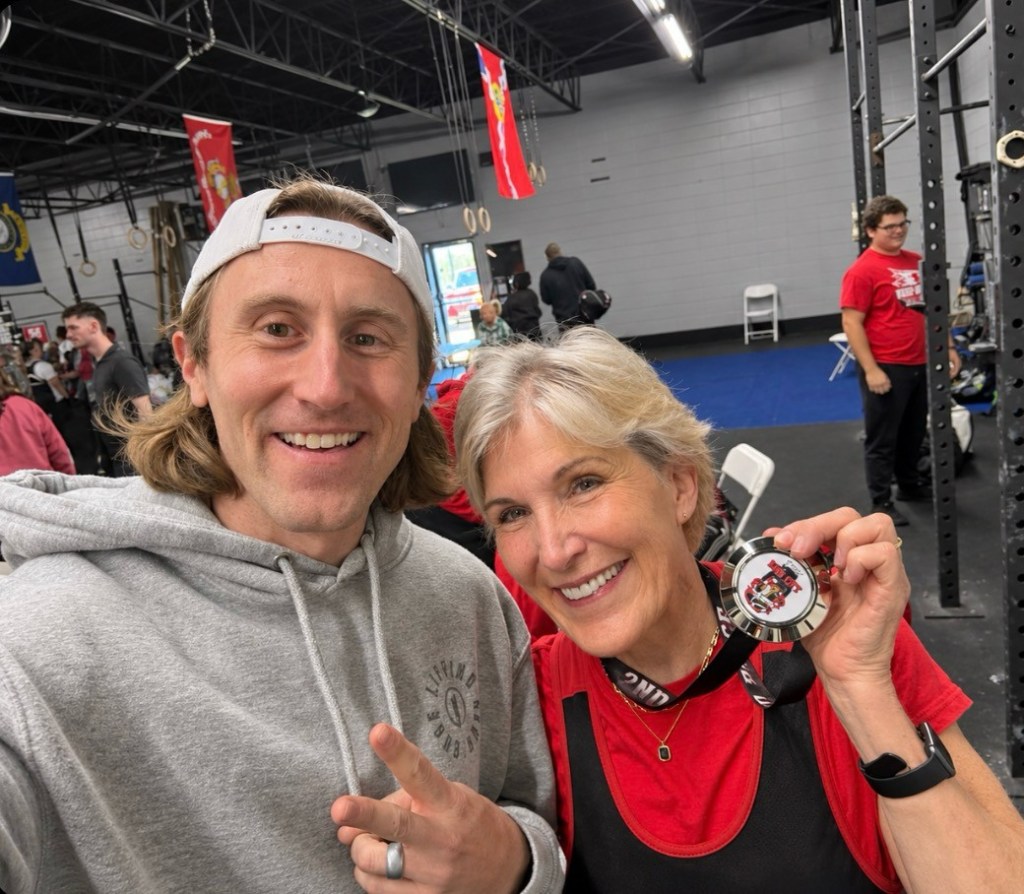
By 71, Sally was ready for another challenge. Simply going to the gym no longer felt like enough. She wanted something to work towards.
Then she saw a powerlifting competition.
“I needed a goal on top of just working out every day,” she explains.
She asked her personal trainer, Zach Cayer, to teach her the three competitive powerlifting movements: the squat, bench press and deadlift.
Together, they worked on her technique, gradually increasing the weights as her strength improved.
“When I started with him, I was deadlifting with a trap bar and 10-pound weights on each side, so maybe 65 pounds total.”
Today, her personal best is 215lb, with a 140lb squat and 90lb bench press.
And there’s a rather entertaining element to their training sessions.
“I actually ask Zach not to tell me how much weight he’s adding to the bar, so I get a big reveal after I lift. It makes it so exciting – sometimes we’re both shocked!”
After six months of preparation, Sally entered her first powerlifting competition.
“He believed in me, and that made all the difference.”
How often does Sally train?
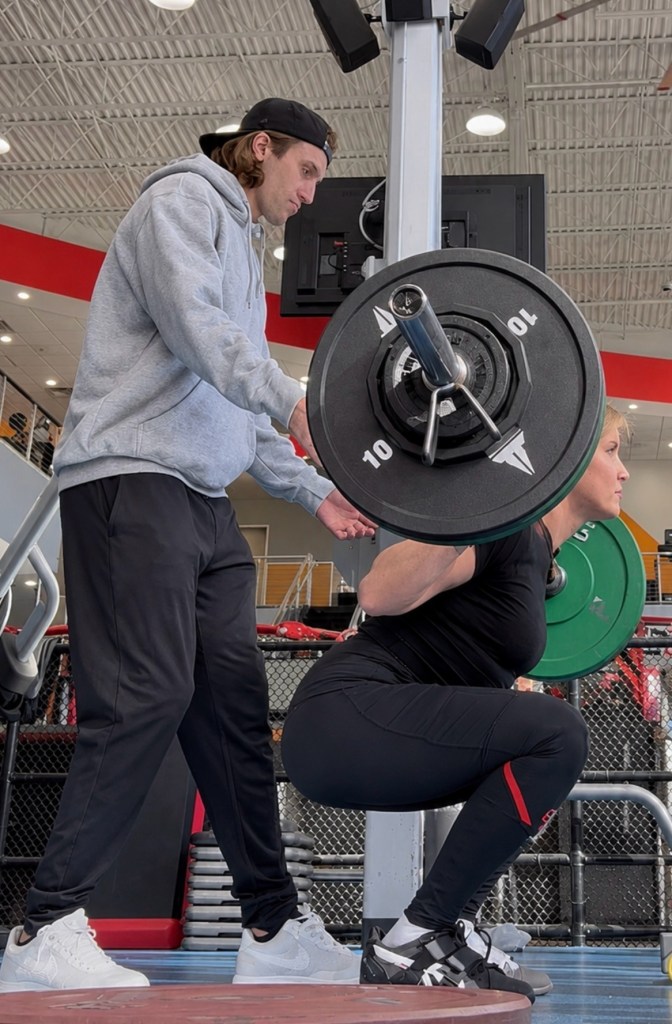
You might imagine Sally spends hours in the gym every day, but her routine is surprisingly manageable.
She trains with Zach twice a week, on Mondays and Fridays, for just half an hour each time, concentrating on heavy lifting.
She also visits the gym independently on Wednesdays and sometimes Saturdays, as well as stretching at home.
“My philosophy is don’t kill yourself, it’s all about consistency.”
Having someone alongside her has been particularly important.
“To me, powerlifting is a team sport. I would not be doing it if someone wasn’t supporting me and standing right there watching me. Zach is my team.”
And although Sally enjoys making jokes during their sessions, she admits her trainer doesn’t always appreciate her humour.
“My jokes never go over well with him, but we get along really well.”
What does a 72-year-old powerlifter eat?
Alongside lifting weights, Sally has completely overhauled her diet.
She now aims to eat 140g of protein every day to support muscle growth and recovery.
Her meals are based around simple foods including chicken, eggs, spinach, sweet potatoes and yoghurt. She also eats rice cakes and adds protein powder to yoghurt to help reach her daily target.
“I only drink water and coffee now,” she says.
The only supplement she takes regularly is creatine.
Sleep is another priority. Sally aims for eight hours every night and makes a point of going to bed early.
“Recovery matters just as much as the lifting.”
How exercise has helped her mental health
“Lifting has absolutely helped my mental health and getting fit and strong will hopefully give me longevity,” says Sally. In her Instagram below, she says: “Everyone talks about how much personal training costs, but no one tells you the rewards will literally save your life.”
Whilst Sally’s physical transformation is impressive, she’s equally enthusiastic about what strength training has done for her confidence.
“I love deadlifting because my head feels fantastic afterward.”
Having goals to work towards has also helped her stay motivated.
On days when she doesn’t particularly feel like exercising, she reminds herself how good she’ll feel afterwards. And knowing Zach is expecting her makes it harder to find excuses.
“I don’t want to let him down, and I don’t want to let myself down.”
Her enthusiasm has even rubbed off on her family.
About a year after Sally started training, her husband was so impressed by her progress that he began working with a trainer himself. He now attends her powerlifting competitions to cheer her on.
The rest of the family has embraced exercise too, including weightlifting, swimming and rock climbing.
Why Sally believes women underestimate their strength
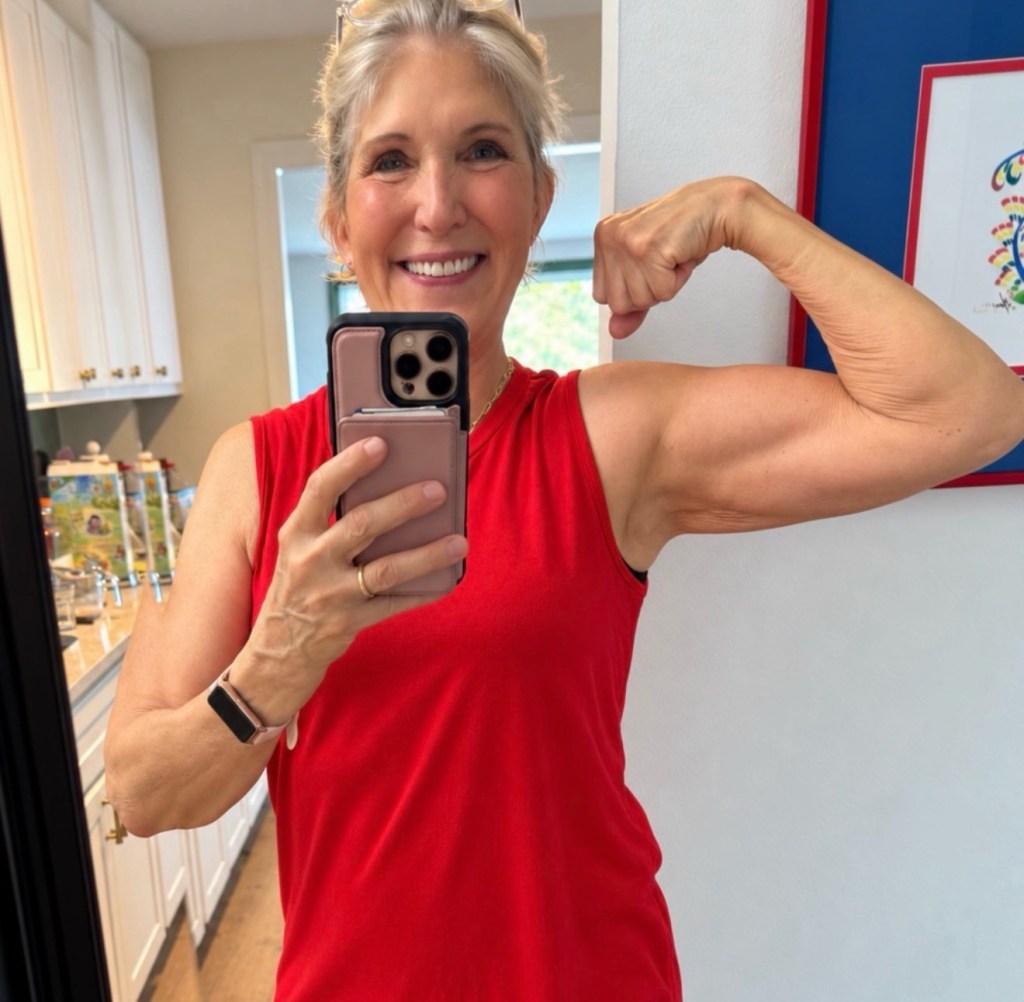
Sally feels passionately that women in their 60s and 70s are often given the wrong impression about what their bodies can achieve.
“I think women have been completely misled about what’s possible as we get older,” she says.
“We need to get the word out that the possibilities for a strong, healthy body are incredible!”
She’s quick to point out, however, that nobody needs to start by lifting heavy weights.
Her advice is simply to begin.
“You don’t have to feel bad about where you’re starting; you should feel good for starting at all.”
She recommends finding a trainer you trust, choosing a realistic goal and being consistent.
Her next goals
Far from slowing down, Sally has plenty more ambitions.
Her next big goal is a combined 500lb total across the squat, bench press and deadlift. She may even compete at national level.
She would also love to become a sponsored athlete and give motivational talks about her experiences.
She’s already written a book about her transformation, Grow Older or Grow Stronger, which reflects her philosophy that ageing doesn’t have to mean becoming weaker.
“Muscle knows no age,” she tells me.
Looking back, she doesn’t regret waiting until 69 to discover weightlifting.
“I’m so happy with when and where I started. I love reinventing myself, and this has been perfect. It’s new, it’s fun and it’s incredibly motivating.”
And if there’s one thing she’d like other women to take away from her experience, it’s this:
“I share my story to encourage them to be their own hero.”