


New research suggests masturbation could help relieve some menopause symptoms, from disrupted sleep to mood swings. Three experts explain the potential health benefits of self-pleasure and why we should be talking more openly about it.
Pics: Getty Images
Having recently written an article about whether masturbating 21 times a month could reduce a man’s risk of prostate cancer, it got me wondering if there were any potential health benefits on the same topic for women.
And, as a woman in my 50s who has spent considerable time researching and writing about menopause, I’m particularly interested in whether it’s something we should be doing more of as we age.
Can masturbation really help relieve menopause symptoms?
According to new research, self-pleasure could help alleviate some of the symptoms so many of us struggle with during menopause.
The 2026 study – published in the journal Menopause – looked at the experiences of 1,178 American women aged between 40 and 65.
“Nearly one in five of the peri-and postmenopausal respondents said they had noticed some symptom relief, with sleep and mood among the benefits reported,” explains women’s health GP, Dr Nikki Ramskill.
However, she points out that the research was an online survey sponsored by sexual wellness company Womanizer.
“Because it was a survey, it can’t tell us whether masturbation caused the improvement, how long the benefit lasted or how it compares with established treatments.”
Clinical psychologist Dr Max Doshay agrees that masturbation could complement other approaches to managing menopause symptoms, although he says more research is needed.
Could masturbating before bed help you sleep better?
Given how many women struggle with sleep during menopause, could an orgasm before bed be worth considering?
According to Dr Doshay, masturbation may help distract us from the thoughts racing through our minds at bedtime, as well as helping us relax physically and emotionally.
And women’s health specialist Kat Grassetti agrees that it can help some women switch off from the demands of everyday life.
However, the scientific evidence is mixed.
“A small study of 14 healthy adults found that they spent less time awake during the night after masturbating, though they didn’t fall asleep faster,” explains Dr Ramskill.
“A separate diary study found no measurable link between masturbation and how well participants said they slept. Neither study focused on menopause.”
And if hot flushes or night sweats are regularly waking you, it’s worth discussing treatments that address the underlying problem.
Can masturbation help ease menopausal anxiety?
For many women, myself included, the psychological symptoms of menopause can be among the most difficult to deal with.
So could masturbation offer some relief?
According to Dr Doshay, self-pleasure can provide an opportunity to reconnect with our bodies at a time when many of us feel frustrated by the physical and emotional changes we’re experiencing.
“It can give you some level of control at a time when everything else seems to be out of control,” he explains.
Kat adds that masturbation can offer temporary relief during periods of stress or mood swings, although the benefits tend to be short-lived.
Interestingly, women taking part in the menopause survey also reported improvements in irritability and mood swings.
“We don’t have good evidence that masturbation treats ongoing anxiety or depression, but if it works for you, go for it!” says Dr Ramskill.
She adds, however, that persistent anxiety or low mood should always be discussed with your GP.
Could regular masturbation improve vaginal health?
With declining oestrogen levels often resulting in vaginal dryness, irritation and discomfort, could masturbating more regularly help?
Kat explains that sexual arousal increases blood flow to the genitals and can temporarily improve natural lubrication.
However, there is no good evidence that masturbation reverses the underlying tissue changes caused by declining oestrogen levels.
“If you’re dry or sore, a lubricant can reduce friction and a vaginal moisturiser can help with day-to-day dryness,” says Dr Ramskill.
“External stimulation is an option if penetration feels uncomfortable.”
For women experiencing persistent symptoms, vaginal oestrogen is another option worth discussing with a doctor.
Can masturbating help reignite your sex drive?

Losing our libido is something many women experience during menopause. But could exploring our bodies on our own help us rediscover what feels good?
“Desire sometimes follows arousal, so it doesn’t always have to be there at the start,” explains Dr Ramskill.
Dr Doshay believes masturbation gives women an opportunity to explore what they enjoy without feeling under pressure to please a partner.
Kat agrees.
“Sometimes, it is not that the woman has lost her interest in sex; she has just become disconnected from knowing how something can feel good.”
However, there is no strong evidence that simply masturbating more frequently will increase libido.
How often should women masturbate during menopause?
Unlike the much-publicised figure of 21 ejaculations a month linked to a lower risk of prostate cancer in men, there is no scientifically established number of times women should masturbate to experience potential health benefits.
Dr Doshay believes turning masturbation into another task on our ever-growing to-do lists could actually undermine some of its psychological benefits.
“Pleasure does not have to be set with an arbitrary number on the calendar,” adds Kat.
As Dr Ramskill quite rightly points out: “Pleasure doesn’t need a quota or an aim!”
Could regular orgasms reduce your risk of cancer?
Unfortunately, all three experts agree the evidence simply isn’t there.
“There’s no convincing evidence that regular orgasms reduce the risk of breast cancer or other cancers in women,” says Dr Ramskill.
Can masturbation help relieve headaches and pain?
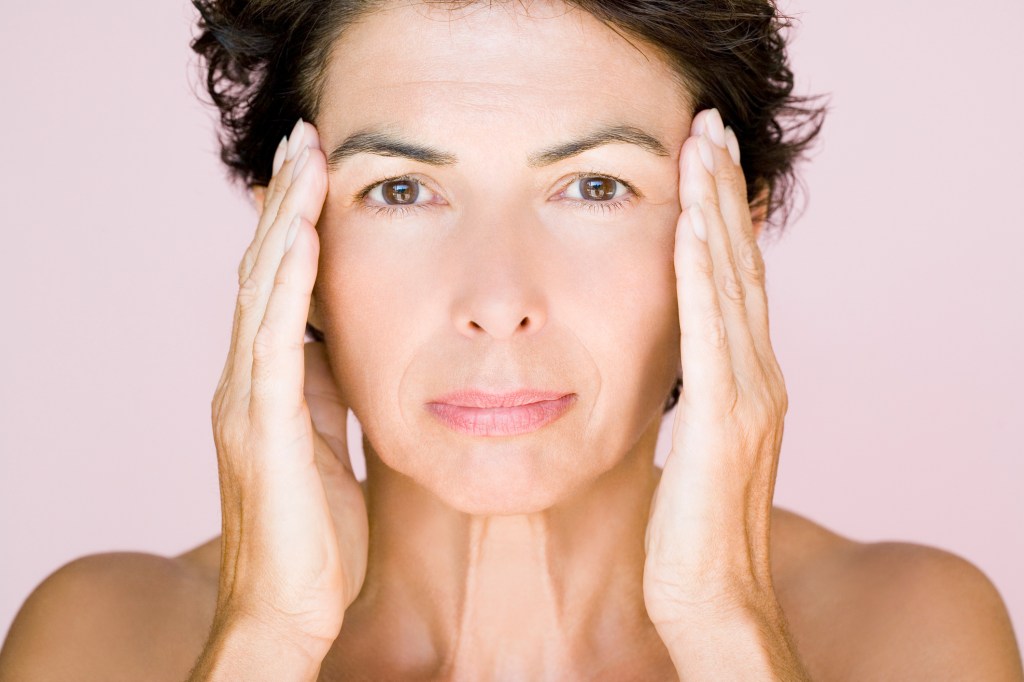
Another potential benefit of masturbation is temporary pain relief.
Sexual pleasure can help ease muscular tension and temporarily alter the way we perceive pain, explains Kat.
And whilst some people report that sexual activity helps relieve headaches, others find it makes them worse.
“Small laboratory studies suggest genital stimulation can briefly raise the threshold at which we feel pain, but that doesn’t tell us whether it helps with ongoing pain,” says Dr Ramskill.
She also warns that a sudden, extremely severe headache during sexual activity requires emergency medical assessment.
As for claims that regular orgasms could protect our hearts, there is currently insufficient evidence to support them.
Are there any downsides to masturbating during menopause?
Whilst masturbation is generally safe, declining oestrogen levels can leave our intimate tissues more sensitive, meaning friction may cause soreness.
Using a lubricant, being gentle and stopping if something hurts can help prevent discomfort.
Any persistent pain or irritation should be discussed with your GP. And any vaginal bleeding after menopause, even if it’s just a spot and only happens once, should always be investigated.
Should we be talking more openly about female masturbation?

All three experts agree that sexual wellbeing deserves more attention during menopause. And that we should try talking about it more openly.
“We talk about hot flushes and periods, but women can leave a menopause appointment without anyone asking about sexual pleasure, discomfort or changes in sensation,” says Dr Ramskill.
Maybe I will at my next appointment!