
Whilst nobody can promise healthy habits can make you live longer, there are certain steps you can take to reach 90 in good shape. From making exercise a regular thing to staying socially engaged, two doctors provide clinical insight into the habits women can adopt from their fifties onwards to support healthy ageing and longevity.
PICS: Getty Images
Longevity is trending and with more people wanting not just to live longer, but to live longer in good health, it’s important to have the right advice on what can help. Although reaching 90 and beyond is increasingly common, it’s still not the norm and future-proofing your body in the decades before is a good step to achieve it. Discover what simple tweaks you can add into your life during your fifties, sixties, seventies and eighties to help you live until 90 and beyond.
Protect the Muscle
According to Professor Dr Fuat Yuksel, a board-certified plastic surgeon at Longevita the years around menopause are an important time for women to start protecting the muscle strength they will rely on in later life.
“Muscle mass naturally declines as we age, but menopause can add another layer to that. As oestrogen levels fall during the menopausal transition, women may experience a decline in muscle mass and strength,” he explained.
For women thinking about longevity, Professor Dr Fuat recommends making regular exercise a priority from midlife, with a particular focus on strength.
“Strength training can help preserve muscle as you age, which matters for staying mobile and independent later in life. The strength you build and maintain in your fifties can support the everyday things you still want to be doing in your seventies, eighties and beyond.”
He is keen to point out however that these recommendations do not guarantee a longer lifespan and should not replace individual medical advice, adding: “Anyone experiencing symptoms, going through menopause or concerned about changes to their health should speak to their GP or another appropriately qualified healthcare professional.”
Don’t Overlook Bone Health
Muscle is not the only area affected by the hormonal changes of menopause. Professor Dr Fuat says bone health also deserves attention in our fifties and onwards.
“Falling oestrogen levels can accelerate bone loss around menopause, increasing the risk of osteoporosis and fractures later in life. The difficulty is that bone loss can happen without any obvious signs, so the fifties are an important time to protect bone health rather than waiting until problems appear.”
For longer-term bone health, Professor Dr Fuat advises on doing things such as weight-bearing exercises and getting enough calcium and vitamin D can be important. This is because both work together to help protect healthy bones, particularly as we get older. Adequate levels can help reduce the risk of weal, fragile bones and osteoporosis.
Have Regular Health Checks
For women in their fifties, sixties, seventies and eighties, Professor Dr Fuat says one of the simplest habits to establish is keeping up with routine health checks.
“Some cardiovascular and metabolic risk factors can develop without causing obvious symptoms in the early stages, so feeling well doesn’t always give the full picture.”
He stresses that regular health checks can help identify potential risk factors earlier and provide an opportunity to discuss them with a doctor.
“Living longer isn’t only about treating health problems once symptoms appear. It is also about understanding individual health risks as they change with age and taking preventative measures.”
Stay Mentally and Socially Engaged
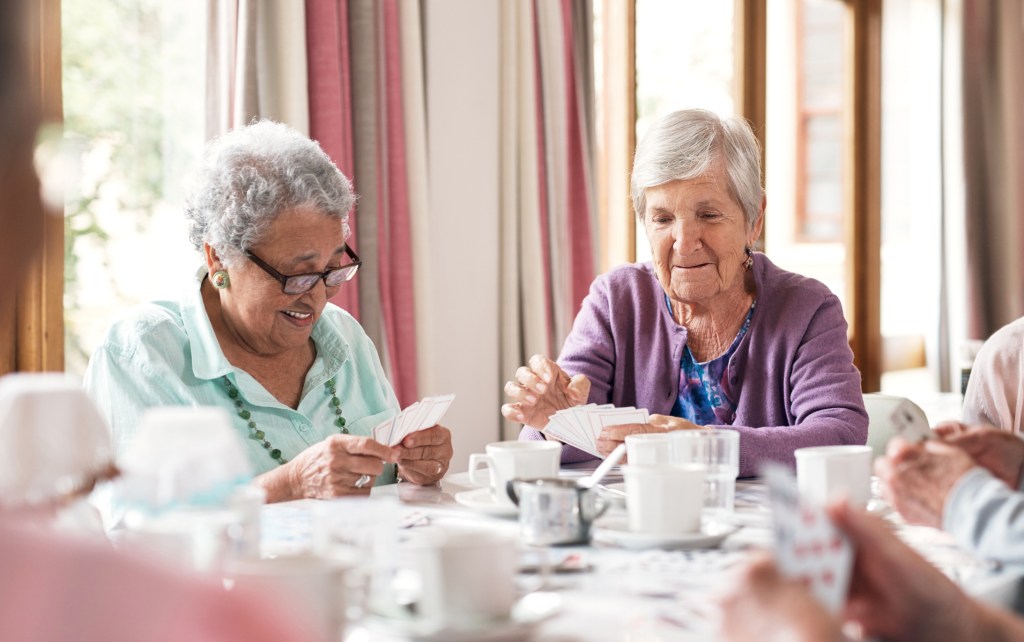
Professor Dr Fuat notes healthy ageing is not only physical. Staying socially connected and mentally engaged can also be an important part of maintaining wellbeing later in life.
“As circumstances change with age, it can become surprisingly easy for someone’s world to get smaller. Maintaining friendships, having hobbies and staying involved in everyday life all give a sense of connection and purpose.”
He also encourages everyone to keep trying new things, whether that means learning a skill, taking up a new hobby, volunteering or travelling where possible.
“There shouldn’t be an age when curiosity stops. Continuing to learn, socialise and have things to look forward to can be a very positive part of ageing well.”
Always Wear Sunscreen
This advice from Dr Gizem Seymenoglu, a medical aesthetician from Longevita is very important. Sunscreen should not just be worn when the sun is out but all year round.
Healthy ageing is about far more than appearance, but Dr Gizem Seymenoglu says protecting the skin should still be part of the conversation.
“Sun protection is one of the simplest habits to carry through every decade. UV exposure builds up over time, contributing to premature skin ageing as well as increasing the risk of skin cancer.”
For long-term skin health, she recommends making broad-spectrum sunscreen part of the daily routine, rather than only reaching for it on hot or sunny days.