

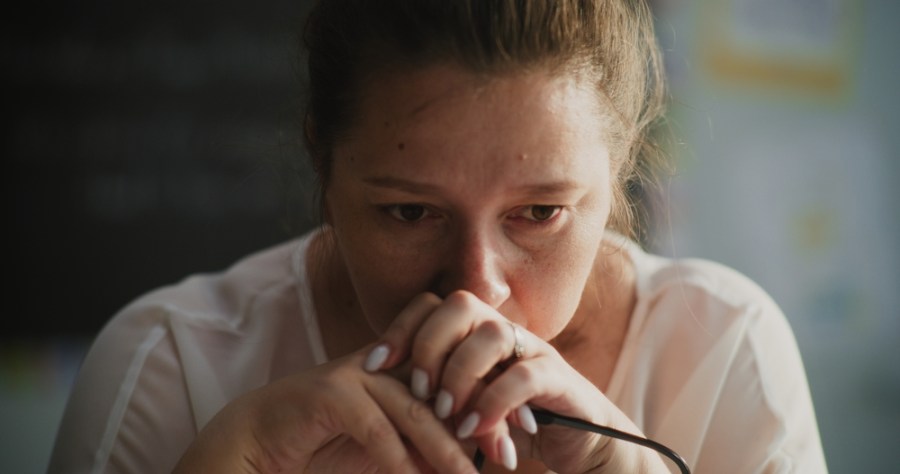
As we go through life, it’s quite normal for our sleep pattern to change, moods to shift and energy to droop a little – but getting older is not always to blame. Physician Dr. Kenneth Ro reveals which symptoms of burnout are similar to the common signs of ageing – and why not being able to tell them apart is more dangerous than you think
Words: Amy Dowrick | Images: Shutterstock
As we approach shorter days and colder nights, it’s easy for life to feel a tad more sluggish. You’re more tired than usual, you don’t feel up for much outside of the house and you can’t seem to sort out your sleeping pattern – but what some women don’t realise is that these are actually signs of your body crying out for help.
“A major change in energy, mood, sleep, or cognitive function should not automatically be written off as ‘just getting older,” says Dr. Kenneth, who has more than 35 years experience working in modern healthcare.
“Aging is very much real, but a persistent change from your usual baseline deserves attention.”
How to identify burnout
According to Dr. Kenneth, being able to identify your symptoms is crucial – and putting the blame on getting older will only put you at a much greater risk of not receiving the help you need. If you’re wondering whether you’re burnt out, he says that these are the signs to look out for:
- Persistent exhaustion
- Poor sleep
- Difficulty concentrating
- Irritability
- Loss of motivation
- Growing distance or cynicism toward work
- Reduced sense of effectiveness
But these symptoms are also not just exclusive to burnout. Dr. Kenneth says that they can also be a sign that your body is experiencing something different entirely.
How symptoms of burnout are similar to menopause – and more
“Some of the symptoms of burnout actually overlap with symptoms many women may experience during perimenopause and menopause, including sleep, mood, energy, and memory changes,” says Dr. Kenneth. “Avoiding the truth means you’re putting yourself at greater risk.”
He also adds that in putting off that appointment with your GP or even by not looking into your symptoms yourself, you’ll also be delaying help for other possible conditions, including depression, anxiety, sleep disorders, thyroid or iron problems – and even side effects from any medication you are on.

How can you overcome symptoms?
If you’ve identified your symptoms as burnout and are shifting the blame away from simply getting older, Dr. Kenneth encourages starting to identify any ongoing stressors where possible, whether that’s in the workplace, your relationships or daily life – and simply go from there.
“Protect regular sleep and recovery time, set realistic boundaries, seek practical support at work and at home, and rebuild movement and strength gradually,” says Dr. Kenneth.
“But for women in midlife, discuss disruptive hot flashes, night sweats, cycle changes, mood symptoms, or persistent sleep problems with a clinician rather than assuming they are simply part of burnout,” he adds. “Prevention also means addressing workload and support, not asking people to rely on willpower alone.”
Will recovery improve midlife health?
While we can’t promise that burnout recovery prevents chronic disease or reverses aging, the practical message that Dr. Kenneth is sharing is that we shouldn’t be accepting these symptoms as the result of aging – it might be a different issue entirely.
“Don’t accept persistent depletion as the price of getting older. Treat it as a signal to look for what can be understood and improved,” he adds.
“Recovery can improve well-being and day-to-day function – including sleep, mood, concentration, and the capacity to be physically active,” he adds. “Better recovery may also make healthy routines more achievable.”
But in saying this, the reverse is also true. Labelling every sign of stress or aging as burnout can equally delay an appropriate evaluation.
“The pattern and context matter,” he adds. “The World Health Organisation uses ‘burnout’ specifically for chronic workplace stress, characterised by exhaustion, mental distance from work, and reduced professional efficacy. It is not a synonym for every kind of stress or a medical diagnosis.”
At the end of the day, aging is very much real, but a persistent change from your usual baseline deserves attention – and shouldn’t be excused.
Dr. Ken Ro is a double board-certified physician with decades of experience in emergency medicine. He is the founder of Back in the Game Men™, a physician-led precision health practice for high-performing men in midlife, and is also the creator of the RECLAIM™ Method, a systems-based approach to restoring energy, resilience, and performance by addressing the root physiology behind modern health decline. His work focuses on helping men move from burnout and survival mode back to clarity, strength, and purpose. Find out more at: kennethromd.com