
Jessica Alba and Halle Berry’s long-time trainer Ramona Braganza, who now works with Geena Davis, reveals how women over 50 can build strength, adapt their workouts and stay fit as they age.
Pics: Getty images and Ramona Braganza’s own.
From training Jessica Alba and Halle Berry to currently working with 70-year-old Geena Davis, Hollywood fitness expert Ramona Braganza shares what really matters when it comes to staying strong, healthy and confident as we age.
At almost 65, celebrity personal trainer Ramona Braganza has no intention of slowing down.
And considering she’s spent decades helping some of the biggest celebrities’ look and feel their best, she’s well placed to offer advice on ageing well.
Her impressive client list – which also includes Anne Hathaway, Scarlett Johansson, Salma Hayek and Liam Neeson – has made her one of Hollywood’s most sought-after personal trainers.
Women’s Fitness spoke to Ramona about her clients, exercise advice and why she is keen to challenge the idea that women should automatically start taking things easier as they age.
Why getting older doesn’t mean slowing down
“I have to challenge the myth that says we should slow down as we age,” Ramona tells me.
It’s a philosophy that runs in her family. Her mother became a fitness trainer at 70, helping older people exercise in senior living facilities, and continued setting an example well into her 80s.
Ramona has followed a similarly active path, although she’s become more selective about activities that might put unnecessary strain on her knees.
Snowboarding and skydiving are no longer particularly appealing, but she still enjoys the activities she’s loved throughout her life.
And whilst I certainly don’t have any plans to go skydiving, I do like her attitude.
What Jessica Alba and Halle Berry taught her about consistency
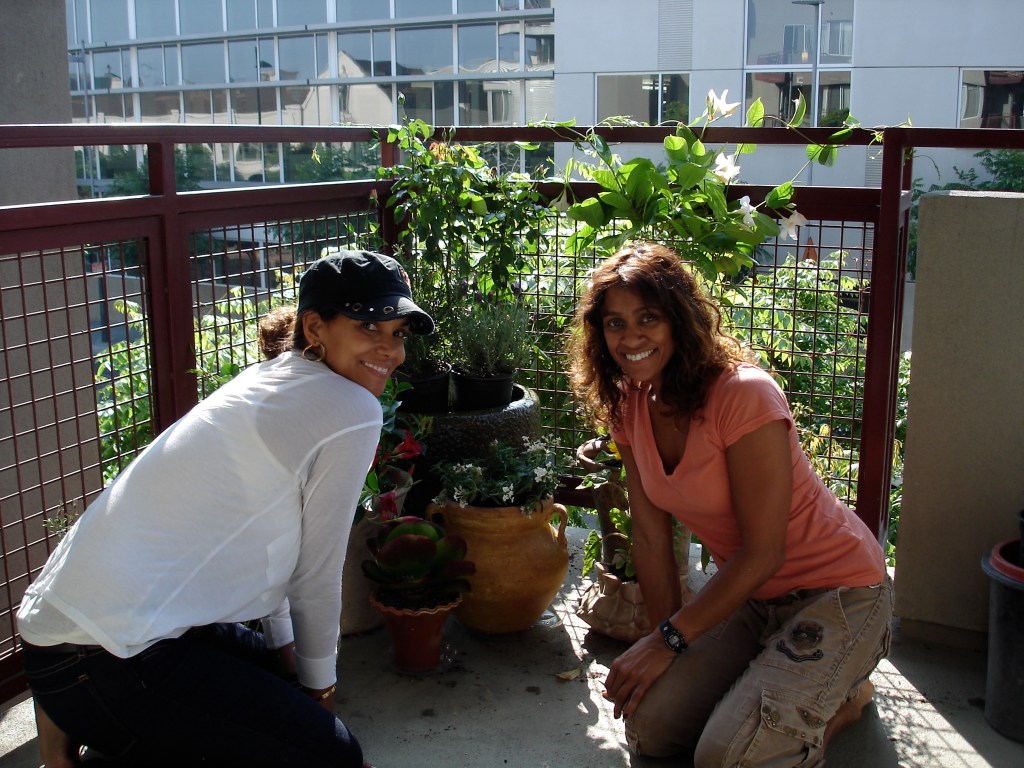
Having trained Jessica Alba for more than 25 years, with their professional relationship continuing into 2025, Ramona has seen first-hand how important consistency can be.
She trained both Jessica and Halle Berry during their first pregnancies and helped them return to fitness afterwards.
“Consistency pays off, especially through pregnancy and when losing baby weight,” she explains.
Jessica has previously praised Ramona’s combination of cardio and weight training, particularly the variety that stops workouts becoming boring.
Halle, meanwhile, has been committed to fitness since her 20s, partly because managing diabetes has made exercise and nutrition especially important.
Now 60, she’s an example of how maintaining healthy habits over decades can pay off.
But Ramona is quick to dismiss the idea that celebrities necessarily exercise every day.
Most of her clients follow regular programmes of around three sessions a week, increasing their training when preparing for particular film roles.
Why Geena Davis is proof that strength matters at every age
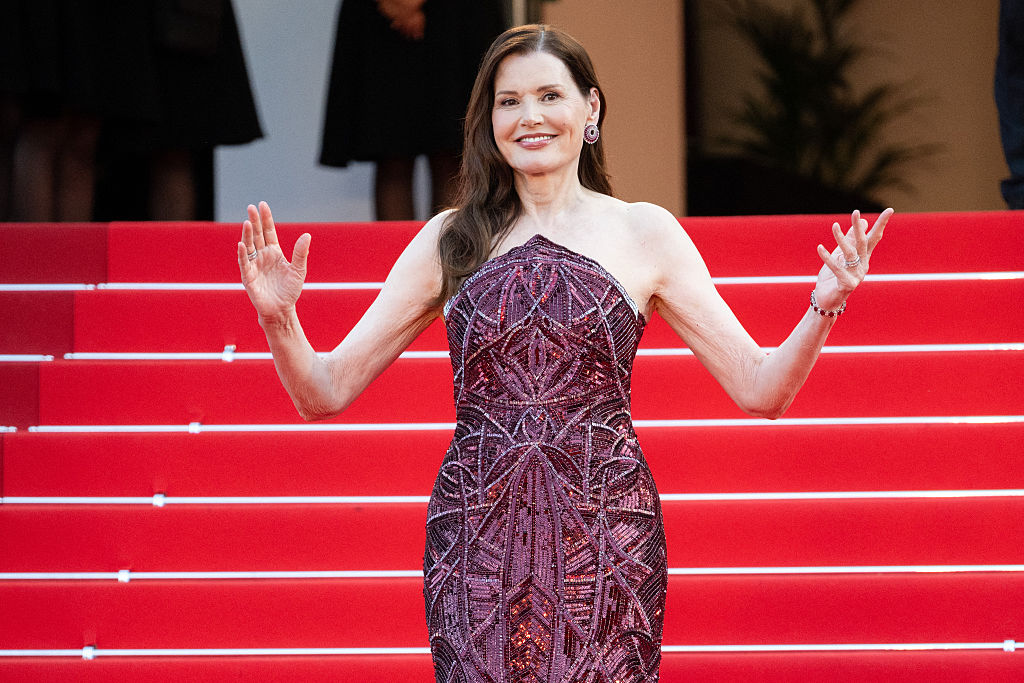
One of Ramona’s current clients is Geena Davis, who turned 70 this year.
And whilst she doesn’t reveal the actress’s exact workout routine, her experience training women in their 50s, 60s and 70s has reinforced her belief that strength becomes increasingly important with age.
“Over 50, it should be about being strong,” she says.
For Ramona, the goal isn’t simply looking good in clothes or achieving a particular number on the scales.
It’s maintaining the strength to live independently.
That means being able to lift, push, pull and move comfortably, whether you’re carrying shopping, climbing stairs or playing sport.
The exercise habit women need to rethink after 50
Ramona often sees women relying on the workouts they’ve always done.
That might mean spending ages on cardio machines, using the same few pieces of gym equipment or signing up for demanding high-intensity classes.
But hormonal changes, reduced muscle mass and changing energy levels mean our bodies may respond differently as we get older.
Her advice is to work with someone who understands midlife fitness and can help adapt your routine.
And rather than constantly pushing yourself harder, she believes consistency should come first.
Why lifting weights is so important
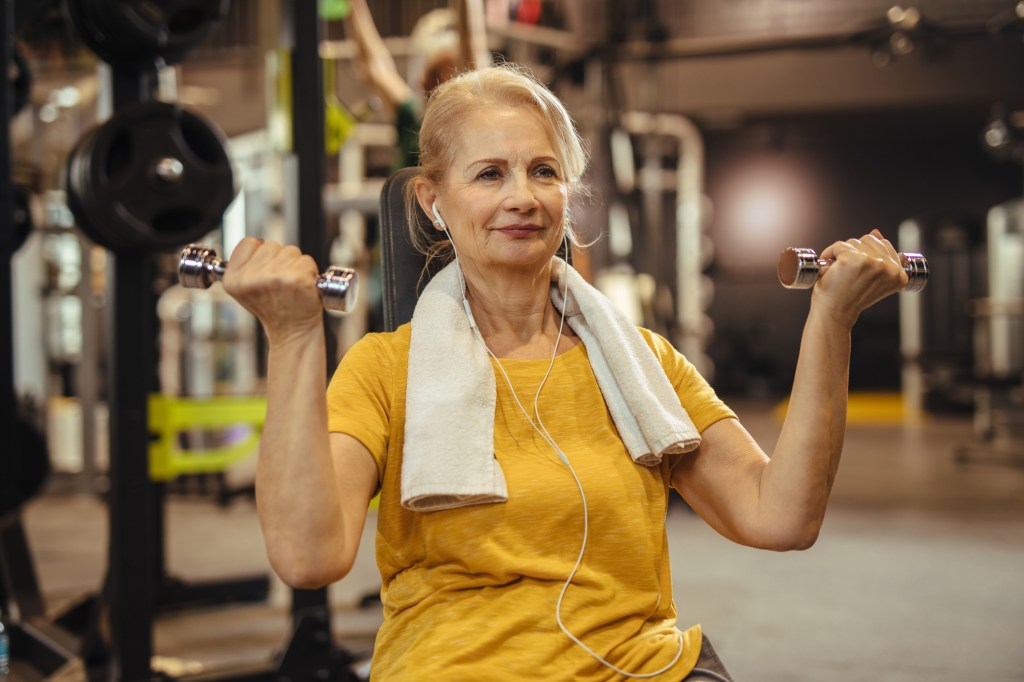
If there’s one thing Ramona wants women over 50 to embrace, it’s strength training.
As oestrogen levels decline around menopause, women become more vulnerable to losing muscle and bone density.
Resistance exercise can help counteract these changes.
Ramona recommends aiming for three strength-training sessions a week, with shorter bursts of cardio incorporated into workouts.
Her own 3-2-1 Training Method combines weights with cardiovascular intervals.
And whilst walking is excellent for heart health, she points out that it doesn’t provide enough resistance to strengthen every major muscle group.
“Walking does not build upper body, back and core strength,” she explains.
Five exercises worth making time for
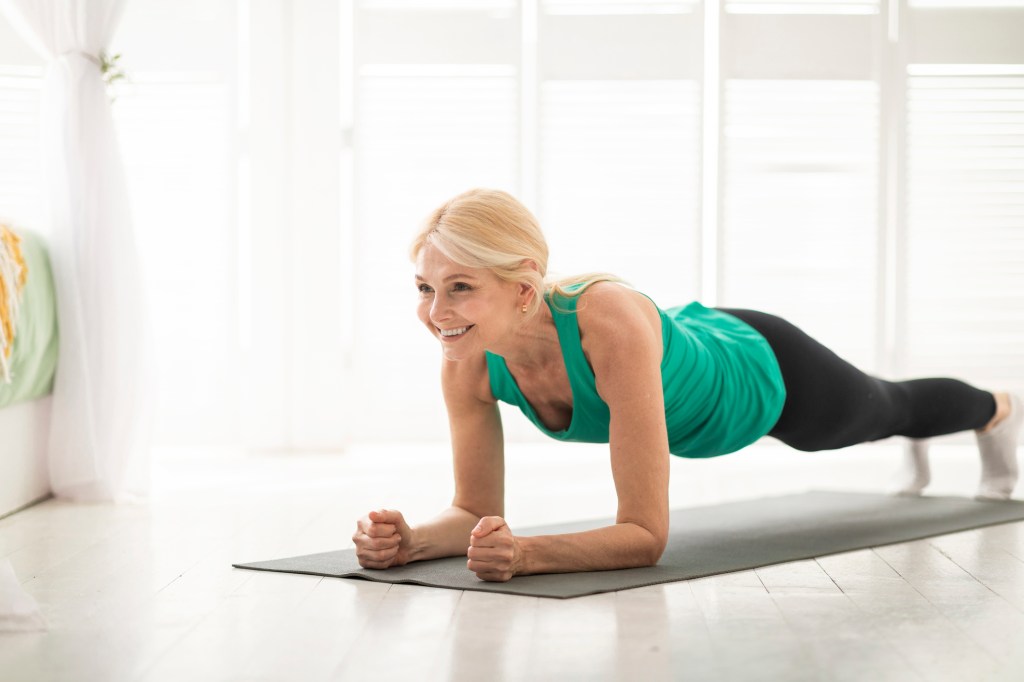
You don’t need access to a celebrity gym to start building strength.
These are five exercises Ramona regularly recommends to women over 50.
Weighted squats: Strengthen the legs and make everyday movements such as getting out of a chair easier.
Shoulder presses: Build upper-body strength whilst providing resistance that supports bone health.
Lat pulldowns: Strengthen the back muscles that help support the spine and posture.
Push-ups: Work the arms, chest and shoulders whilst developing functional fitness.
Planks: Strengthen the core muscles needed for stability and everyday movement.
For anyone starting out, the important thing is to use appropriate resistance and concentrate on technique rather than lifting heavy weights immediately.
Why your stomach might be harder to tone after menopause
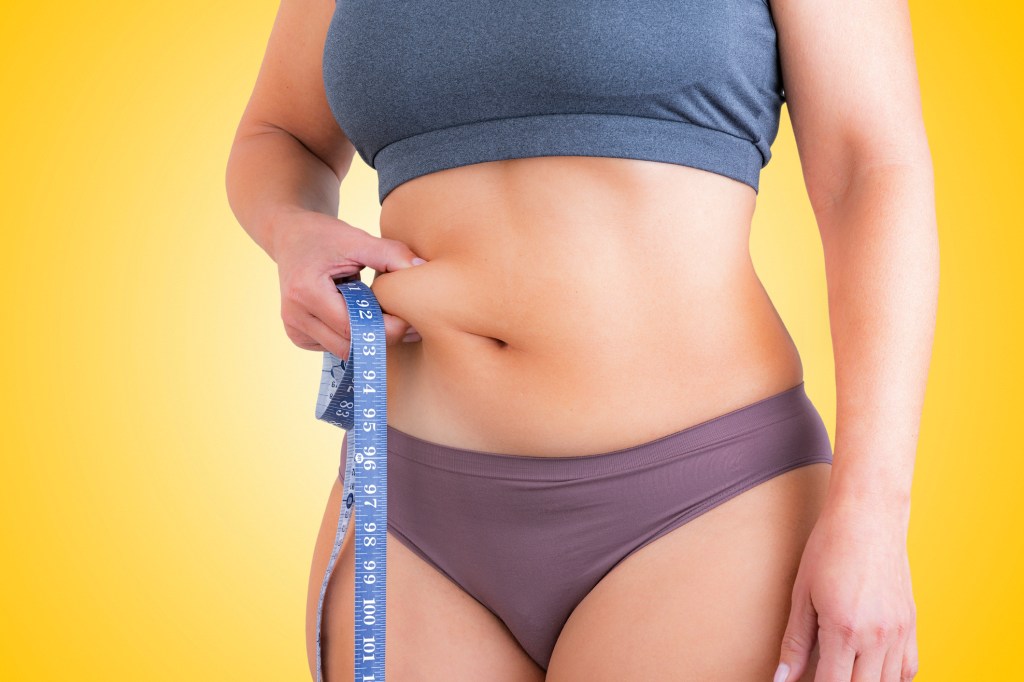
Belly fat is a frustration for many women in midlife going through menopause.
You might be exercising regularly and eating much as you always have, yet suddenly notice your waistline changing.
Ramona explains that endless crunches aren’t the answer.
Whilst abdominal exercises strengthen the muscles underneath, they cannot specifically burn fat around the stomach.
Instead, she recommends full-body strength training alongside sensible nutrition.
For core strength, she favours planks, leg raises and exercises targeting the obliques and deeper abdominal muscles.
Can you really transform your body after 60?
Ramona is convinced you can make significant improvements at almost any age.
Even women who’ve never lifted weights before can build muscle and become stronger.
The secret, she says, is gradually increasing resistance and giving your body time to adapt.
She recommends following a consistent programme for at least a year rather than expecting dramatic changes after a few weeks.
And she has recently started working with a 70-year-old woman who hadn’t exercised for 30 years.
Rather than overwhelming her with difficult workouts, Ramona began with manageable machine exercises, fewer repetitions and shorter sessions.
For a beginner, she believes 45 minutes can be perfectly adequate.
When menopause makes exercising feel exhausting
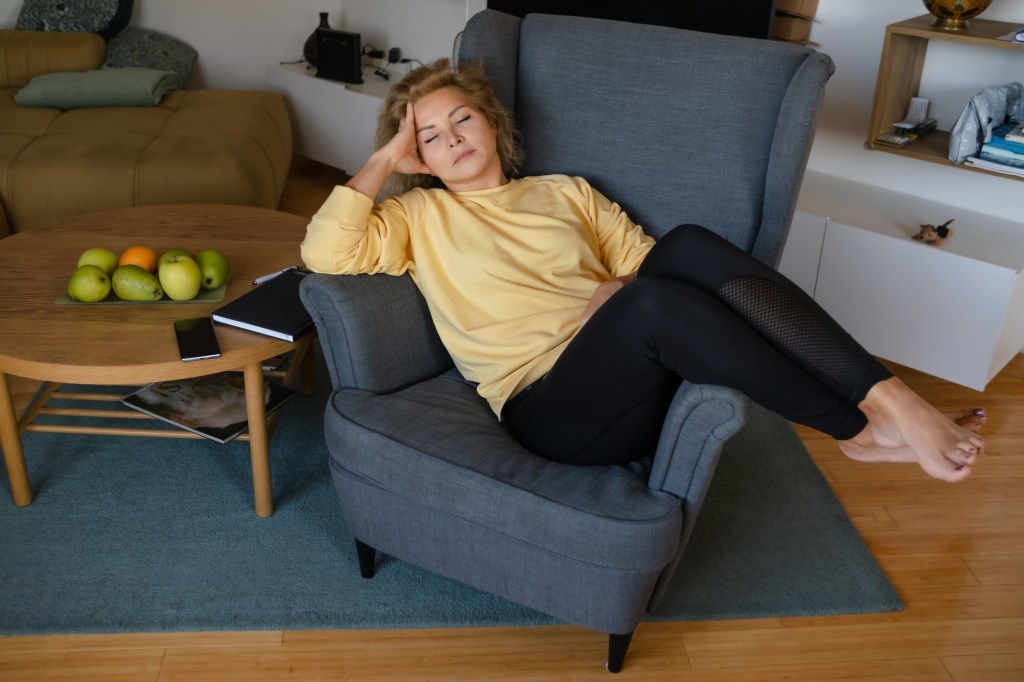
Poor sleep, aching joints and fluctuating energy can make sticking to a fitness routine particularly difficult.
Ramona sees these challenges regularly amongst her midlife clients.
When someone is particularly exhausted, she adjusts their workout to include more stretching or mat Pilates.
Otherwise, she encourages women to continue strength training where appropriate, which many find helps improve their energy.
Recovery is equally important.
“Overtraining makes us prone to injury,” she warns.
And whilst she believes women over 50 can still enjoy challenging activities, she’s cautious about demanding trends such as Hyrox for those without sufficient preparation.
The Hollywood fitness secret that costs nothing
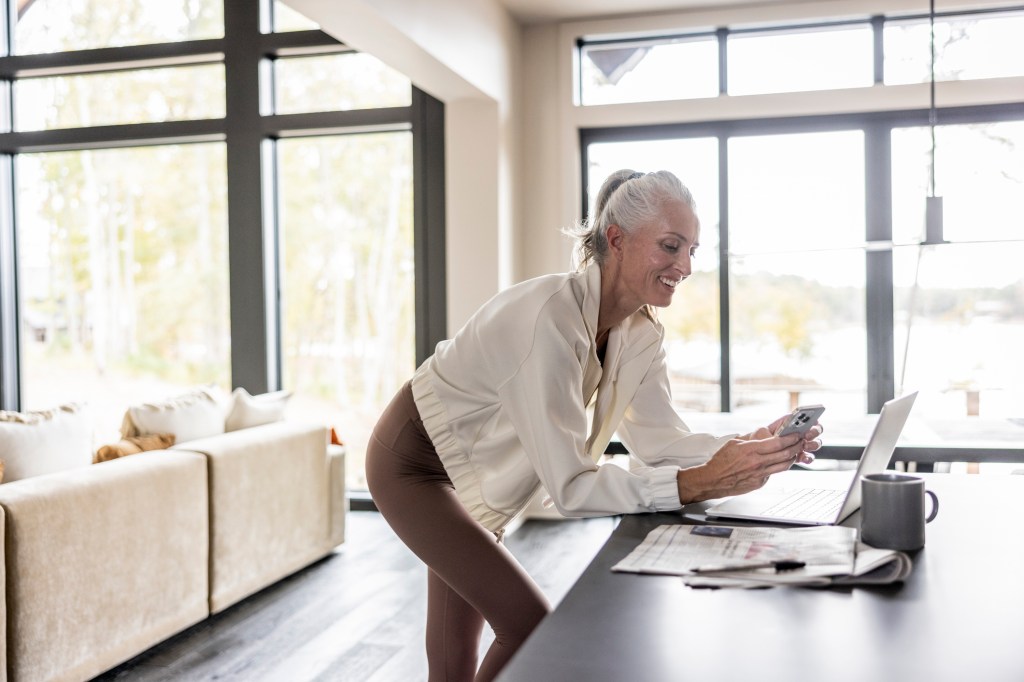
Having worked with actresses including Anne Hathaway, Ramona has noticed one habit that separates people who maintain their fitness from those who struggle.
They schedule their workouts.
Anne has previously spoken positively about working with Ramona when in Los Angeles, praising her ability to prepare her for films and red-carpet appearances.
But according to Ramona, the real lesson from her celebrity clients is making exercise a priority, however busy life becomes.
And that doesn’t mean every workout needs to last an hour.
She recommends establishing how often you exercise first, gradually increasing the duration and only then concentrating on intensity.
Even shorter sessions can be worthwhile when they’re part of a regular routine.
Why being strong beats being skinny
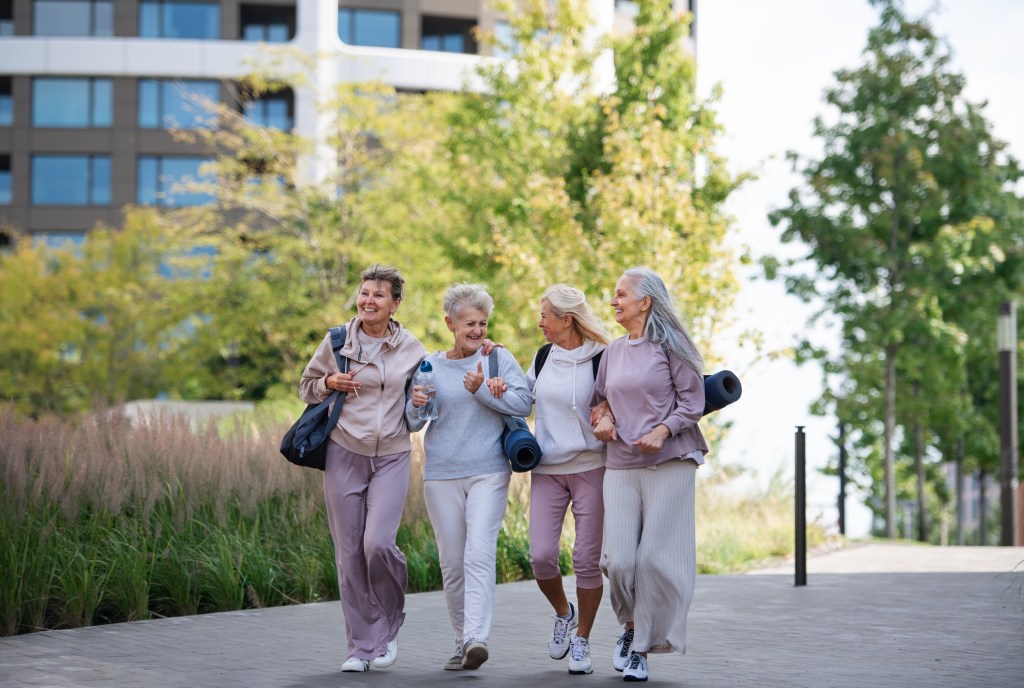
Perhaps the biggest change Ramona would like to see isn’t in women’s workout routines but in how they think about their bodies.
She believes society still places far too much emphasis on being thin, particularly when it comes to women.
Yet after 50, maintaining muscle, mobility and independence becomes far more important.
Her advice is to keep moving, follow a sensible strength-training programme and pay attention to nutrition.
And whether that’s lifting weights, cycling, dancing or playing a racket sport, the important thing is finding something you’ll continue doing.
As Ramona approaches 65, she’s certainly practising what she preaches.
And if her mother could become a fitness trainer at 70, perhaps the rest of us should stop worrying about getting older and concentrate on what our bodies can still achieve.