
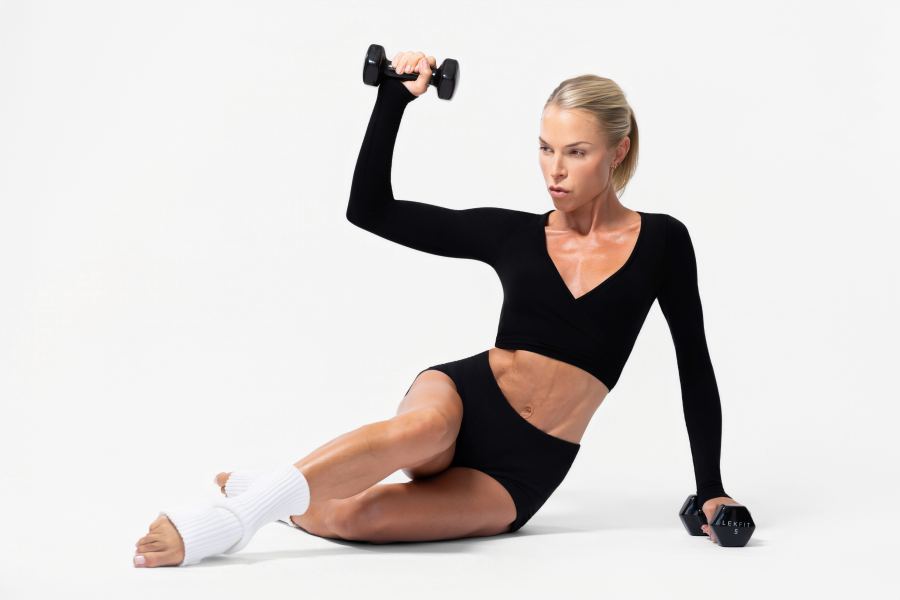
From lifting heavier weights and embracing trampoline workouts to rethinking cardio and ditching the obsession with step counts, celebrity trainer Lauren Kleban (pictured above) shares her expert advice on staying strong, healthy and confident in your 40s, 50s and beyond.
Pics: Getty Images and LEKFIT
When it comes to staying fit, there certainly isn’t a shortage of advice for older women. One minute we’re being told to lift heavier weights, the next it’s all about Pilates, walking 10,000 steps or giving up cardio altogether.
As someone who spends far more time on a padel court than in a gym, I’m all for exercise that makes you feel good rather than something that becomes another chore.
And according to 46-year-old Hollywood trainer Lauren Kleban – founder of LEKFIT, a Los Angeles-based fitness method combining dance-inspired cardio, trampoline workouts and strength training, that’s exactly how we should be approaching fitness.
What Kate Beckinsale and Lauren’s other A-list clients understand about staying fit
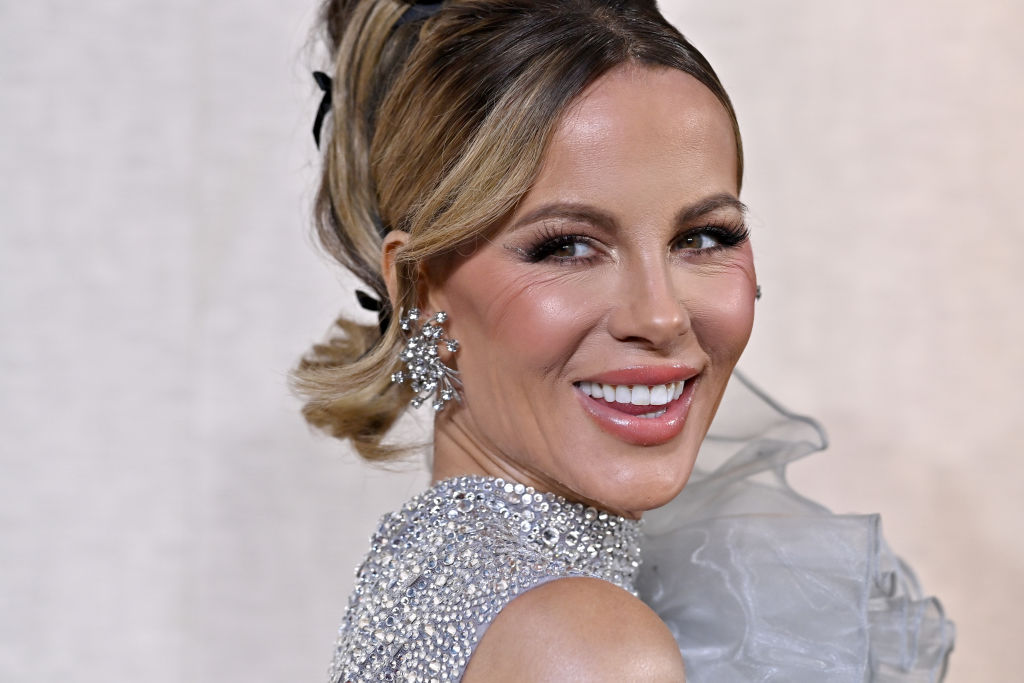
Despite working with some of Hollywood’s most recognisable women, including Kate Beckinsale, Judy Greer, Busy Philipps, Kate Mara and Julia Garner, Lauren insists there’s no secret celebrity formula for staying in shape.
At 53, Kate Beckinsale is known for her impressive physique, but Lauren says the actress understands something many women overlook: fitness shouldn’t revolve around looking good for one particular occasion.
‘Kate Beckinsale and Judy Greer understand the importance of staying fit to make the most of everyday life, rather than getting in shape for a particular role or event,’ she explains.
‘They’re always fit for life, so when an opportunity comes up, they’re ready.’
It’s an approach Lauren believes helps women avoid the exhausting cycle of getting into shape, stopping and starting again.
And while Hollywood actresses might initially seek training for a film or red-carpet appearance, she says many continue because they recognise the long-term benefits.
Do women really need to exercise differently after 40?
There’s so much discussion about changing our workouts after 40 that you’d be forgiven for thinking everything we’ve done previously suddenly stops working.
Lauren disagrees.
‘I don’t buy into the messaging that everything needs to shift just because we hit a certain age,’ she says.
Instead, she believes women should already be combining strength training, cardiovascular exercise and mobility work long before menopause.
‘I love helping women to embrace their bodies, feel feminine, sexy and like themselves at any age.’
However, she acknowledges that our nutritional needs can change with age, making it important to consider how we’re fuelling our workouts. And the mistakes we may be doing without realising it.
Mistake 1: Thinking Pilates and walking are enough
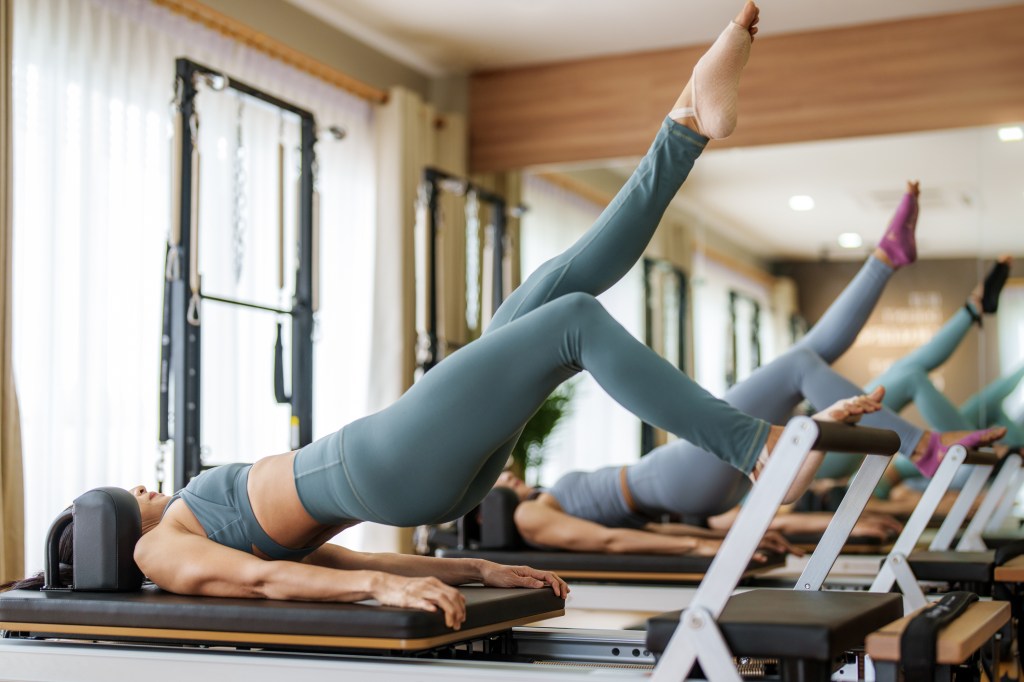
I’m a huge believer in finding exercise you enjoy. But while walking and Pilates offer plenty of benefits, Lauren says they shouldn’t necessarily be your entire fitness routine.
‘Women in their 20s and early 30s can get duped into believing that yoga or Pilates is all they need,’ she explains.
Both can improve flexibility, balance and core strength, but resistance training is particularly important for maintaining muscle as we age.
Her advice? Keep doing Pilates if you love it, but consider adding weights and some cardiovascular exercise too.
Mistake 2: Avoiding heavier weights

If your idea of strength training involves occasionally picking up a pair of tiny dumbbells, Lauren believes you could be missing out.
‘We should always be lifting weights. We’re lifting heavy things all the time in life, so it’s important at every age.’
She points out that strength training isn’t simply about achieving toned arms or a flatter stomach.
It’s about being able to carry shopping, lift everyday objects and maintain independence as we get older.
Her preferred approach combines heavier weights with lighter resistance sessions, allowing different muscles to be challenged without constantly repeating the same workout.
Mistake 3: Giving up cardio completely
Cardio seems to have developed something of a bad reputation among women navigating menopause.
But Lauren believes abandoning it altogether is a mistake.
‘What’s happened is people swing from all cardio to no cardio, and neither works,’ she explains.
Instead, she recommends balancing cardiovascular exercise with resistance training.
And if pounding a treadmill doesn’t appeal, there are plenty of alternatives, including dancing, swimming, cycling and rebounding.
Why you should try trampoline workouts
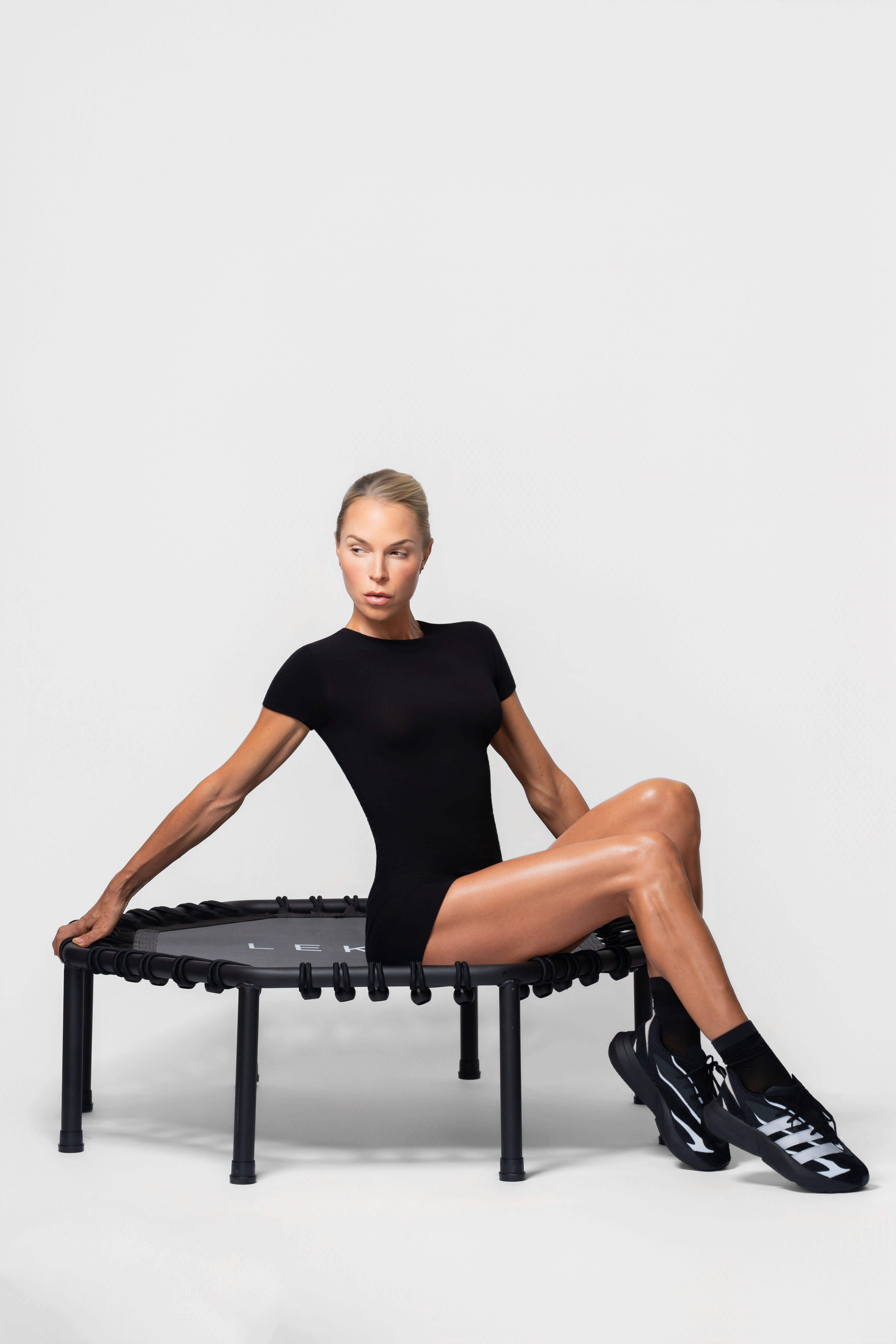
One of Lauren’s favourite forms of exercise involves bouncing on a mini trampoline, otherwise known as a rebounder.
And before you picture yourself jumping around like a child at a birthday party, she insists the movements are small and controlled. I’ve done many a rebounder class and they are amazing.
‘You’re getting cardio, engaging your muscles and activating your lymphatic system without the same impact as traditional running,’ she explains.
The unstable surface also challenges the smaller muscles responsible for balance and coordination.
However, rebounding isn’t suitable for everyone. Women experiencing pelvic-floor symptoms, balance difficulties or joint problems should seek appropriate advice before trying it.
Mistake 4: Eating too little to lose weight

For women frustrated that their bodies aren’t responding to exercise as they once did, Lauren believes nutrition deserves closer attention.
‘The biggest thing people forget during weight loss is how easy it is to lose muscle if you’re in too big of a calorie deficit and pushing too hard in your workouts.’
She stresses the importance of eating enough protein to support muscle maintenance and recovery.
And while losing weight might be someone’s goal, she argues that becoming stronger and feeling more energetic are often better measures of progress than the number on the scales.
Mistake 5: Doing the same workout every day
You don’t need to spend hours exercising to see improvements.
Lauren recommends varying your routine, with some sessions focusing on heavier weights, others on lighter resistance, cardio or mobility.
‘That variety helps you keep progressing without getting bored, burning out, or overworking the same muscles.’
It’s also particularly useful when menopause symptoms such as fatigue, poor sleep or joint discomfort make intense exercise less appealing.
‘Your workout should invigorate you and give you energy, not deplete you,’ she says.
The five exercises she recommends after 40
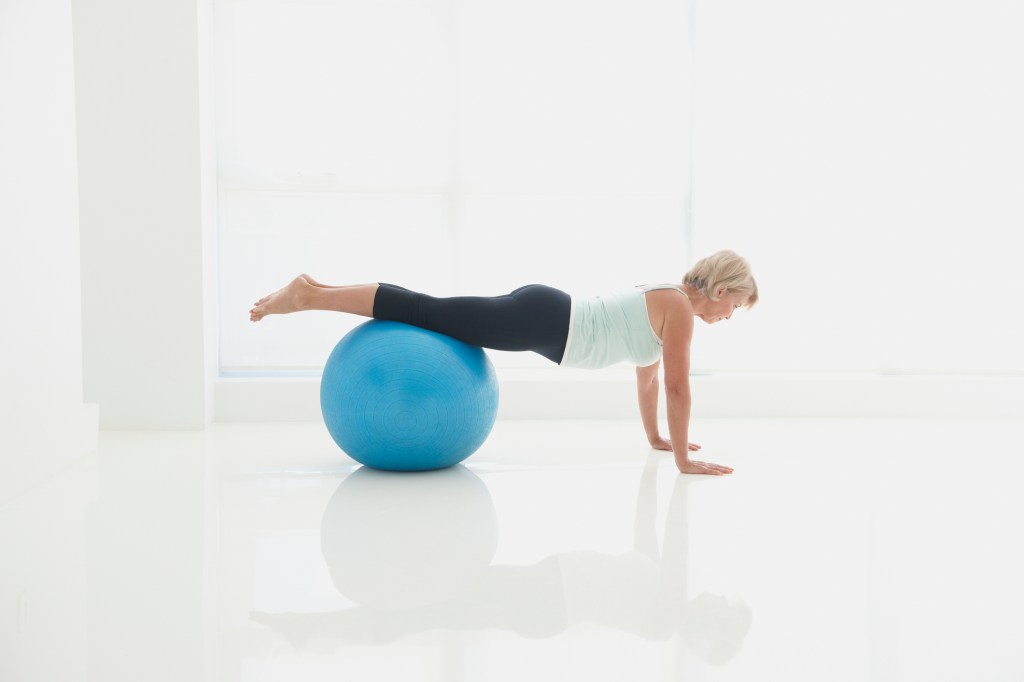
So what would Lauren include in a well-rounded routine?
Her five favourites are:
Rebounder jumps: For cardiovascular fitness, balance and coordination.
Ballet-barre exercises: To challenge posture, stability and muscular endurance.
Balance-ball exercises: For core strength and control.
Kettlebell exercises: To develop functional strength, particularly through the lower body.
Dumbbell exercises: Combining heavier strength work with lighter, controlled movements.
You don’t need to do all five in one session. The important thing is building a routine that works for your ability and lifestyle.
Mistake 6: Obsessing over fitness trackers
This one particularly caught my attention because I constantly look at the stats on my Apple Watch.
But Lauren isn’t convinced that constantly counting steps, calories and workouts is helpful.
‘Counting steps or calories can quickly become an obsession and take the joy out of movement,’ she says.
While fitness trackers can provide useful motivation, she believes they shouldn’t dictate how successful a workout feels.
Instead, pay attention to improvements in strength, confidence and energy.
Lauren’s three fitness rules every woman over 40 should remember
1: If you want to embrace exercise, Lauren says to find something you genuinely enjoy and can maintain consistently. Working out with a smile on your face is a bonus – as illustrated by this Instagram post from American actress Busy Phillips training with Lauren.

2: Listen to your body rather than following every new fitness trend.
3: Remember who you’re doing it for.
‘The body you want and the goals you have should be for you, not anyone else,’ Lauren says.
It’s a reminder that staying fit after 40 shouldn’t be about chasing somebody else’s figure, whether that’s a Hollywood actress or someone on Instagram.