

From better energy and fewer cravings to healthier skin and a lower risk of chronic disease, nutritionist Christine Bailey explains why reducing added sugar is one of the best things you can do for your health
Whether soups, salad dressings or ready meals, added sugar is present in so many everyday products that it can be hard to avoid. With our busy lives, it is all too easy to rely on processed foods for grab-and-go snacks or quick meals after work.
The trouble is, many of these products contain far more sugar than we should be eating. We’re all aware that too much sugary food is bad for our waistlines, but research has also shown that too much sugar increases our risk of chronic diseases, including diabetes, Alzheimer’s, heart disease and cancer.
One European study concluded that the consumption of just one sugar-sweetened drink a day increased the risk of type 2 diabetes by 22 per cent! And if that were not reason enough to cut back, clearer skin, sharper memory, better mood and more energy are some further benefits of reducing sugar intake.
Of course, sugars are found naturally in foods such as fruits and vegetables, wholegrains, or as lactose in milk. Consuming wholefoods that contain a wide array of essential nutrients, fibre and antioxidants is not the problem.
The main concern is around added sugars, usually in the form of sucrose (table sugar) or high-fructose corn syrup. It is estimated that a third of added sugar consumption comes from sugar-sweetened drinks, a sixth comes from foods such as chocolates, ice creams and biscuits, but half comes from everyday foods such as ketchup, salad dressings and bread.
How much sugar should we eat?
Sugars added to food or drinks, and sugars found naturally in honey, syrups and unsweetened fruit and vegetable juices, smoothies and purées, shouldn’t make up more than five per cent of your daily calories. This amounts to about 30g of sugar a day – that’s around six teaspoons every day. To put this in context, a typical can of fizzy drink contains about nine teaspoons of sugar.
What counts as high sugar?
Front-of-pack labels will tell you the total sugar content, and if it’s greater than 22.5g per 100g or there is more than 27g in one portion, then the product is high in sugar. A product low in sugar will contain 5g or less of total sugar per 100g. You also need to check the ingredients list to see whether sugars have been added to your food or if they are naturally occurring.
The higher up the list the added sugars are, the more there is. Remember, sugar can appear in a variety of forms such as agave, molasses, honey, glucose, malt syrup, brown rice syrup, fructose and sucrose. When looking at a product, consider how much you will eat per serving – this may be much more or less than the 100g stated.
How to cut back on sugar
There are some simple ways to instantly cut back on your sugar intake today, these include:
Don’t drink your calories
Sugar-sweetened drinks such as sodas, juices, sports drinks and sweetened teas or coffees are one of the biggest sources of sugar calories in our diet. They’re bad for your waistline and liver, and won’t make you feel full, so you’ll eat more all day and crave more sugar.
Eat more protein
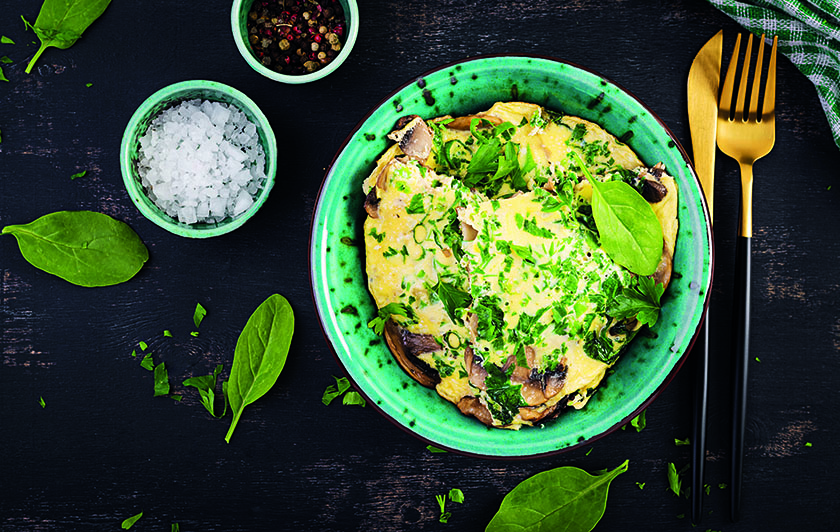
Eat more protein, especially at breakfast, as this is key to balancing blood sugar and insulin levels, therefore cutting cravings.
Fill up on vegetables
Non-starchy vegetables like broccoli, asparagus, green beans and mushrooms are packed with nutrients and fibre that will keep you feeling fuller for longer.
Don’t fear healthy fats
Fats make you feel full, balance your blood sugar levels and satisfy cravings. Along with protein, have some healthy fats, including nuts and seeds, extra virgin olive oil, avocados and omega-3 fats from fish, at every meal and snack.
Plan ahead for cravings
There will be times when your blood sugar is dropping and you need a quick pick-me-up. Have a few healthy snacks to hand, whether that’s a low-sugar protein bar, some nuts or a little dark chocolate.
Are artificial sweeteners a good alternative?
While they may seem like a good option, recent research casts doubt on their benefits. Instead of helping you skimp on calories while getting the same hit of sweetness, artificial sweeteners may in fact encourage you to eat more.
There are a number of healthier natural sugar alternatives that have minimal impact on blood glucose levels. Xylitol and erythritol are sugar alcohols (polyols) and popular lower-sugar, low-calorie alternatives, and can be used to replace sugar in baking.
Another option is stevia. Derived from a small shrub found primarily in China and South America, it is 200-300 times sweeter than sugar with virtually no calories. Use in tiny quantities, as it can have a slight aftertaste. Look for pure stevia products or those mixed with erythritol rather than artificial sweeteners.