

Experts explain how caffeine may boost endurance, reduce fatigue and even increase fat burning – plus the ideal amount to drink before you train
Numerous studies have found that caffeine can improve sports performance when delivered in low doses before exercise. And whilst energy drinks and supplements are rising in popularity, it is no surprise that drinking a cup of coffee pre workout is favorited by everyone from athletes to mid-life women like myself that has to have one before I play padel.
From waking us up and making us more alert to boosting our strength and improving endurance, caffeine can be hugely beneficial.
In fact, in a 2023 study done by the International Society of Sports Nutrition the results revealed that coffee and/or its components improve performance across a temporal range of activities from reaction time, through brief power exercises, and into the aerobic time frame in most but not all studies.
Whilst, unsurprisingly, coffee has a history of controversy regarding side effects (outlined below) it is generally considered safe for healthy, exercising individuals when taken in the right dosage. So, how does coffee actually effect our bodies and how much should we drink pre exercise for it to be beneficial?
“Coffee doesn’t actually create energy, but it changes how your brain perceives fatigue, so exercise can feel easier and you may be able to maintain your effort for longer,” explained Dr Saira Bano, an obesity specialist and co-founder of www.SwiftDoctor.com
“Caffeine is a stimulant that acts on the brain by blocking the effects of adenosine, a chemical that builds up during the day and contributes to feeling tired. As a result, after drinking coffee people feel they have more energy and motivation to start a workout.”
For most healthy adults, when it comes to knowing how much caffeine before exercise is sufficient, Dr Bano advises that around 100 to 200mg of it before exercise is often sufficient, although the exact amount varies because people process caffeine differently.
“For some, a single cup of coffee is enough, while others may notice very little effect. Taking large amounts of caffeine won’t keep improving performance, though, and is more likely to cause unwanted side effects such as feeling anxious or experiencing a racing heartbeat. It can also upset your stomach, which is the last thing you want during a workout.”
In his work as an exercise physiologist, sport scientist and performance expert Dr. Mark Kovacs, CEO of the Kovacs Institute has worked with numerous studies that have proven caffeine to be one of the most extensively studied performance aids.
“Research consistently shows caffeine benefits for endurance exercise, muscular strength, power, sprinting, reaction time and concentration,” he explained. “In endurance activities, average performance improvements are often in the region of 2–4%, which can be significant for both competitive athletes and committed recreational exercisers.”

What are the potential benefits of having coffee before a workout? Dr Kovacs lists them:
The main potential benefits of having caffeine before you exercise
• Greater alertness and concentration
• Reduced perception of effort and fatigue
• Improved endurance and ability to maintain pace
• Potential improvements in strength, power and repeated high-intensity efforts
• Greater motivation or readiness to train
“For someone exercising early in the morning, caffeine may also help them transition from feeling sleepy to feeling physically and mentally ready. However, it should enhance a good training routine; not compensate for inadequate sleep, poor nutrition or accumulated fatigue.”
As for the disadvantages, it is well-known that drinking too much coffee can give you jitters and if drunk too late in the afternoon, can effect your sleep. However, Dr Kovacs points to some less known side effects, including:
• Increased heart rate
• Temporary increases in blood pressure
• Headaches
• Gastrointestinal discomfort
• Tolerance, dependence and withdrawal headaches
“Caffeine can also mask how fatigued someone feels. That may occasionally help performance, but it can become problematic if a person repeatedly uses stimulants to push through inadequate sleep or insufficient recovery.”
Timing is everything
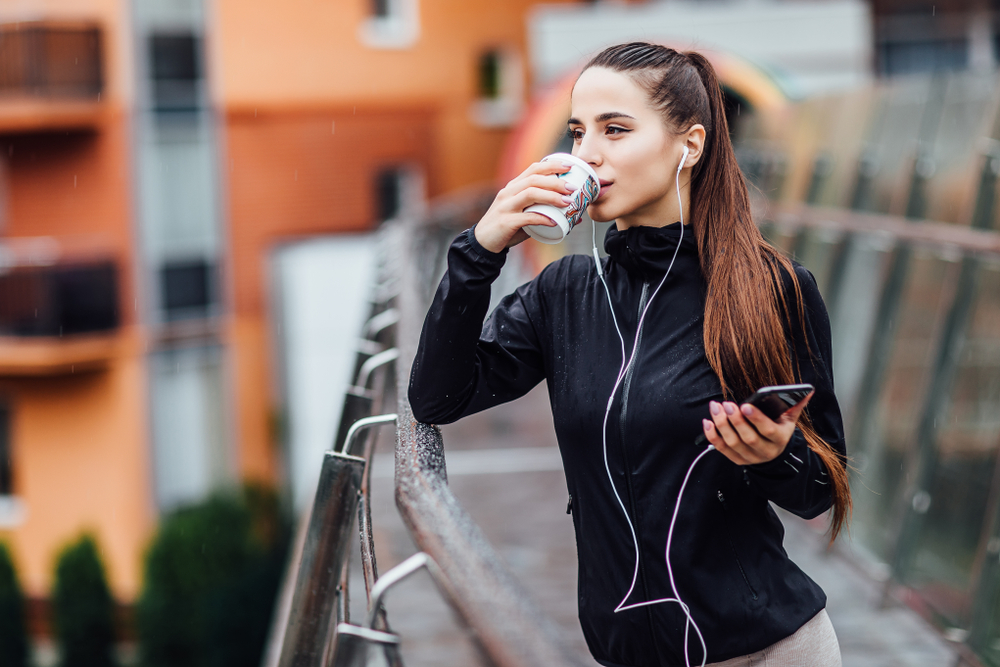
As for when the best time is to drink your caffeine ahead of your workout, all the medical experts I spoke too suggested consuming it between 30-60 minutes before exercise.
“By drinking your coffee within this time frame it allows the caffeine to get absorbed into your bloodstream and reach its peak,” explained Dr Ylena Deshko, founder of www.timelesshealthclinic.com
“Research suggests that caffeine consumed an hour or so before your exercise may improve endurance, reaction time, and concentration while also making exercise feel less strenuous. This can allow some people to exercise for longer or at a higher intensity.”
After exercise, she explains that caffeine is generally less important than focusing on hydration, eating a balanced meal with adequate protein, and allowing your body time to recover.
“If someone exercises later in the day, having caffeine afterwards may make it more difficult to fall asleep, which can interfere with the body’s natural recovery process.
“Finally, caffeine can be a useful tool when used appropriately, but it should complement – not replace – the habits that have the greatest impact on long-term health, including regular physical activity, adequate sleep, proper hydration, and a balanced diet.” I’ll drink to that!