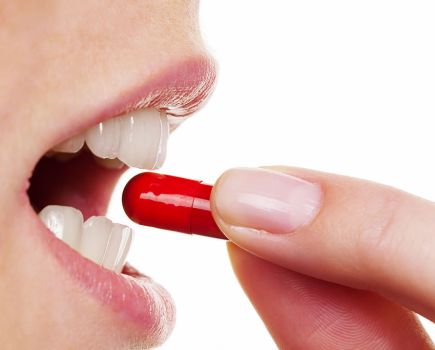


Sugar cravings aren’t just about willpower. From eating more protein to improving your sleep, experts reveal five practical ways to regain control
PICS: Shutterstock
Cravings happen to everyone and, according to physician, bestselling author and founder of the Cleveland Clinic Center for Functional Medicine, Dr Mark Hyman, they’re not entirely down to a lack of willpower.
Many ultra-processed foods are engineered to be highly palatable, making them difficult to stop eating once you’ve started. In fact, a review of nearly 300 studies across 36 countries concluded that ultra-processed foods may meet many of the scientific criteria associated with addictive substances.
“We’re up against billion-dollar food companies that invest heavily in creating products people want to keep eating,” says Hyman. “Many of these foods are designed to override our natural fullness signals, so if you’re struggling with cravings, it isn’t simply a lack of willpower.”
The good news? There are simple, evidence-backed strategies that can help reduce how often cravings strike and make them much easier to manage.
Here are five worth trying.
Consider Chromium
If sugar cravings are a regular occurrence, chromium could be worth considering. This essential trace mineral plays an important role in carbohydrate metabolism and helps support healthy insulin function, allowing the body to regulate blood sugar more effectively. Keeping blood sugar levels on a more even keel may help reduce the spikes and crashes that often trigger cravings.
Research published in Diabetes Technology & Therapeutics found that chromium picolinate supplementation improved glycaemic control in people with type 2 diabetes. Other studies have also suggested chromium may influence neurotransmitters involved in appetite regulation, helping to reduce hunger and cravings in some people.
If you choose to take a supplement, like Solgar Chromium, it’s best taken with a meal, when food can aid absorption. Alternatively, boost your intake naturally by eating chromium-rich foods such as broccoli, whole grains, green beans and nuts.
Smell Vanilla
It might sound a little unusual, but simply smelling vanilla could help take the edge off sugar cravings. One UK study discovered that people who wore vanilla-scented patches experienced a significantly greater reduction in cravings for chocolate and other sweet foods than those wearing lemon-scented patches or no patch at all.
After a month, the volunteers wearing the vanilla patches had not only reported fewer cravings for sweet foods and drinks, but also lost an average of 2.2kg, compared with 1.4kg in the lemon group and 1.1kg in the control group.
Researchers believe the sweet aroma may help satisfy the brain’s desire for something sugary without actually consuming any calories, providing a simple sensory distraction when cravings strike. While more research is needed, lighting a vanilla candle or using a vanilla essential oil could be worth trying if your sweet tooth tends to get the better of you.

Cut It Out
It’s all very well saying you’ll cut back on sugar, but according to Dr Mark Hyman, that often isn’t enough.
Instead, he recommends removing refined sugar and refined flour completely – at least while you’re breaking the cycle of cravings. “Not reduced – completely removed,” he says.
Hyman compares it to alcohol for someone in recovery. “There’s no safe amount while you’re breaking the dependency. Even small amounts can reignite the cycle.”
The first few days may feel challenging, but many people find that once the constant highs and crashes in blood sugar begin to settle, cravings become far easier to manage.
Prioritise Protein
If you want to reduce sugar cravings, start by eating regularly and building every meal around protein and fibre. Protein is one of the most satiating nutrients because it helps regulate the hormones that control hunger, making you feel fuller for longer and less likely to reach for sugary snacks.
One of these hormones is peptide YY (PYY), which is released by the gut after eating. Research suggests that higher-protein meals increase the release of PYY, helping to reduce appetite and naturally curb food intake.
Fibre works alongside protein by slowing digestion and helping to keep blood sugar levels steadier throughout the day. The result? Fewer energy crashes, better satiety and less temptation to raid the sweetie drawer after dinner.
Sleep Well
If you’ve ever had a bad night’s sleep and found yourself craving chocolate, biscuits or other sugary foods the next day, there’s a good reason why. Sleep has a powerful influence on the hunger hormones ghrelin and leptin, which regulate hunger and satiety. Ghrelin stimulates appetite, while leptin signals to your brain that you’re full.
When you don’t get enough sleep, ghrelin levels increase while leptin levels fall, leaving you feeling hungrier and more likely to crave high-calorie, sugary foods. In fact, a study published in PLOS Medicine found that sleep deprivation led to a higher calorie intake, particularly from snacks rich in carbohydrates and sugar.
To improve your sleep, try sticking to a consistent bedtime, limiting caffeine later in the day and putting your phone or laptop away at least an hour before bed. If you struggle to switch off, a magnesium supplement such as Bettervits Magnesium Complex or Fit Kit Magnesium Body Moisturiser may also help support relaxation before bed.
Most of all, be patient. The first few days are often the hardest as your body adjusts to less sugar, but the cravings will ease with time. “Withdrawal tends to peak on day two or three,” says Hyman. Stay consistent, keep these strategies in place and before long you’ll feel back in control. “The cravings are not you – they’re chemistry. And chemistry can be changed.”