

Words: Rob Hobson | Images: Shutterstock
Select your supps
Calcium imbalances may mirror the symptoms of PMS, and supplementing with the mineral can help alleviate these symptoms. A study involving 466 women experiencing moderate-to-severe PMS showed that a daily intake of 1,200mg of calcium over three menstrual cycles led to a significant 48 per cent reduction in overall symptom scores, compared to a 33 per cent reduction observed with a placebo. Additionally, the combination of vitamin D and calcium has been shown to diminish the occurrence of headaches, negative mood swings, fluid retention and pain. Typically, these supplements benefit approximately two-thirds of women who use them.
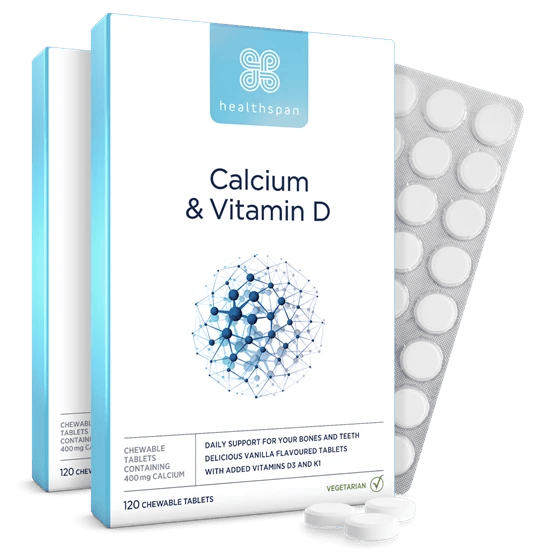
Calcium & Vitamin D
Women’s Fitness verdict
A high strength formulation that is suitable for anyone, and especially ideal for women over 50 as it can help to reduce the loss of bone mineral linked to menopause- In calcium carbonate form which gives you the purest calcium
- Natural source vitamin D3 which is the form that is naturally found in our bodies
- Also contains vitamin K1 which is proven to maintain bone health
Keep a low profile
A balanced diet is key to managing PMS, with stable blood-sugar levels achieved through regular, balanced meals. An anti-inflammatory diet rich in lean proteins, vegetables, fruits and legumes, plus olive oil and oily fish, can help reduce PMS. Low-glycemic-load foods, rich in fiber, stabilize hormone levels, alleviating anxiety, irritability and cravings. Studies indicate a reduced PMS risk (35 per cent) with higher intakes of vitamins B1 and B2. Wholegrains, such as oats, aid in the absorption of tryptophan – key for producing serotonin, which helps mitigate mood swings and curbs cravings.
Get a B6 boost
Vitamin B6 plays a crucial role in metabolizing food and producing red blood cells. It alleviates mood and fatigue symptoms via its role in creating neurotransmitters. Studies recommend a daily intake of 50mg B6 to mitigate PMS symptoms. In one study of 68 women taking 50mg of B6 daily for three months, it significantly enhanced emotional wellbeing, reducing symptoms of depression, irritability and tiredness, compared to those who took a placebo. The study noted a 69 per cent reduction in emotional symptoms and a 52 per cent decrease in physical symptoms.
Go nuts
Cashews are rich in magnesium, also known as ‘nature’s own calming agent’ and essential for easing PMS symptoms, especially those linked to stress and anxiety. Studies indicate women with PMS often have diminished magnesium levels. This mineral is key in transforming vitamin B6 to its active state, which is crucial for the synthesis of neurotransmitters that regulate mood. Cashews also provide iron, a deficiency in which can worsen tiredness, and studies suggest that women with lower iron levels are more prone to suffer from PMS.
Curb the cravings
Experiencing heightened hunger before menstruation is typical, while changes in estrogen and progesterone levels reduce serotonin, causing cravings. Excess weight is closely associated with aggravated PMS symptoms, as fat cells emit estrogen and pro-inflammatory cytokines. This leads to inflammation that can amplify symptoms such as pain, mood fluctuations and tiredness. Try to include plenty of foods high in fiber and protein to maintain satiety between meals, and keep healthier snacks to hand that can satisfy a sweet tooth (such as tropical fruits, dates or even small bars of high-cocoa solid chocolate) in preparation for when cravings hit.
Rob Hobson is a registered nutritionist and author of Unprocess Your Life (Thorsons, £18.99)