
Forget all the wellness hacks – there’s one important supplement you should consider taking now that you may not know about
Pics: Getty Images
As the days get shorter and sunlight becomes harder to come by, October is a good time to think about your vitamin D intake. Essential for healthy bones and muscles, it also plays an important role in supporting the immune system. But are you getting enough – and could low levels be affecting your health? Here’s everything you need to know about vitamin D, including why it matters, where to find it and why all of us should consider taking the supplement now.

Why we need it
Vitamin D is a nutrient and hormone our bodies naturally make when skin is exposed to sunlight. It plays a vital role in supporting immunity, calcium absorption, bone and muscle health, mood balance and energy regulation.
In the UK, from October through to March, the sun simply isn’t strong enough for us to produce it. And the same goes for other countries like the USA as sunlight becomes less effective for Vitamin D production during the Autumn and winter months. That’s why supplementation is essential.
Vitamin D deficiency affects millions of people worldwide. According to GP Dr Ahmed El Muntasar, that figure includes “more than half of the UK’s adult population.
“From October to early March, the sun in the UK is too weak for our skin to make vitamin D, which is why the NHS says everyone should consider a daily supplement through those months,” he explained, citing the government’s recent diet survey findings of one in five UK adults aged 19 to 64 being vitamin D deficient, rising to nearly one in three in the winter months.
“People are already looking for answers to questions around Vitamin D and I encourage them to take it,” he said. “On Google Trends, searches for “how much vitamin D should you take a day” have increased by over 5,000%, and searches for “vitamin D deficiency” have risen by 100%.”
What happens if we don’t take it
“People with vitamin D deficiency can get muscle aches, fatigue, low energy and weakened bone health which can then increase risk of fractures as a result,” explained Dr Ahmed.
In agreement is Lindsay Malone, instructor of nutrition at the School of Medicine at Case Western Reserve University.
“Over time, deficiency can weaken bones, contribute to muscle weakness and increase the risk of fractures. Severe deficiency can lead to osteomalacia which is a condition in which adult’s bones become soft and weak. The challenge is that low vitamin D doesn’t always produce obvious symptoms, so you may not realize your levels are not right. Bone health is also complex, vitamin D is just one “ingredient” for strong bones.”
People who are at higher risk of deficiency
People at higher risk of deficiency include those with darker skin, older adults, anyone who spends most of their time indoors, and people living in northern climates during winter.
Women with limited sun exposure, osteoporosis, malabsorption or other risk factors would benefit from a tailored vitamin D dose.
Why October is the right time to start taking vitamin D: official health advice
In the UK, the NHS recommends you take 10 micrograms (400 IU) daily, citing specific advice to consider starting a daily supplement from October up until March.
In the US, the National Institute of Health recommends you take 15 micrograms (600 IU daily) – although it does not specifically say to start in October on the website, some US state health departments explicitly mention it in their advice.
How is it taken?
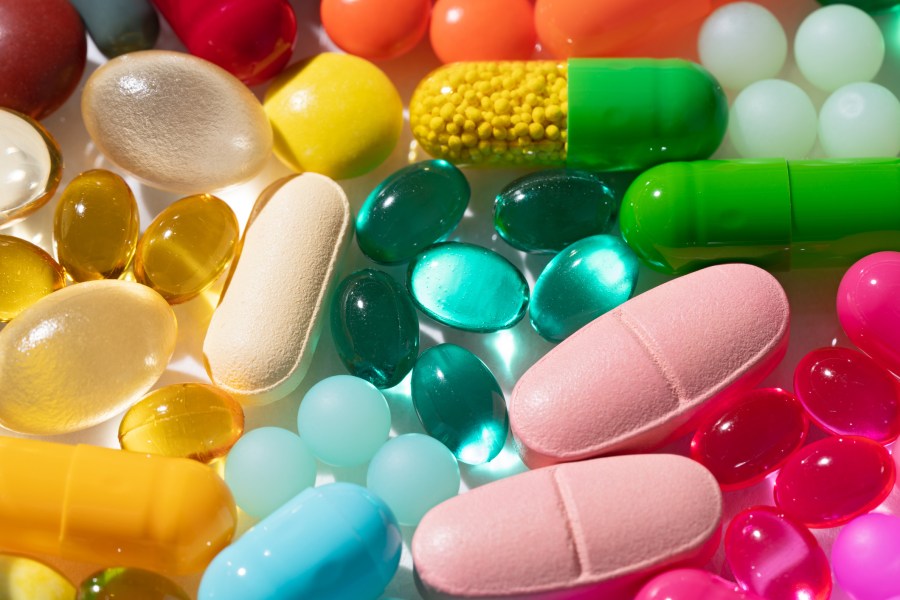
Vitamin D can be found as a stand-alone supplement, in the form of capsules, tablets and drops.
Multivitamins often contain it in them too.
Vitamin D in food

You can find it in foods but it is probably not sufficient enough to meet your daily needs as it is only found in very small quantities.
Dermatologist Dr Debra Jaliman, assistant clinical professor at the Icahn School of medicine at Mount Sinai says it can be difficult to get enough in diet alone.
“Fatty fish such as salmon and sardines, egg yolks, fortified milk, orange juice and cereals are good sources of vitamin D and whilst they can help, it can be hard to get enough of it in food by itself.”
Benefits for the skin and hair
The skin
Research has proven that vitamin D can help improve the production of collagen and protect against things like skin damage and inflammation.
“It is important for maintaining the skin barrier,” added Dr Jaliman. “This barrier helps the skin retain its moisture so when it’s disrupted the skin gets very dry and irritated. It also helps promote wound healing. If the level is low, patients can have delayed wound healing, and chronic wounds.”
The hair
“In my practice, I order vitamin D levels for any patient complaining of hair loss,” added Dr Jaliman. “Research shows that low vitamin D is associated with hair loss as it is involved in the normal growth cycle of the hair follicles. Failure to maintain the anagen (growth) phase can lead to things like alopecia areata and male pattern hair loss. When patients take the supplement they often regain their hair.”
Vitamin D and sleep
There is a potential link to vitamin D helping to improve sleep quality, particularly if you are deficient, but more research is still underway to see if it could be a missing piece in your sleep routine.
A 2022 systematic review and meta-analysis from the National Library of Medicine found that vitamin D supplementation improved sleep-quality scores. However, the evidence that it treats insomnia specifically, or helps people sleep longer, remains unclear for now.
Can it help improve your mood?
Although it may help support your mood, not enough evidence has proven it can boost it.
According to Lindsay Malone, research has brought up mixed results. “Low vitamin D levels have been associated with depression, but that doesn’t necessarily mean taking a supplement will improve your mood.
“Clinical trials have produced mixed results, and vitamin D supplementation hasn’t consistently demonstrated antidepressant benefits. If you’re deficient, correcting that deficiency makes sense, but the vitamin shouldn’t be considered a stand-alone treatment for seasonal depression,” she explained.
“Like bone health, depression is complex. Other lifestyle factors also play a role like light exposure, sleep, stress, diet and exercise.”
Why vitamin D is important for menopausal women
This is an interesting area as the most important factor here is that vitamin D helps maintain bone strength and, during menopause when falling oestrogen can accelerate bone loss, it really helps them stay hard and strong.
It’s the one supplement that menopause nutritionist Jackie Lynch points to as a “non-negotiable for women in midlife and beyond.”
Although she explains it won’t deal with the classic menopause symptoms like hot flushes, she says “vitamin D is essential for the absorption of calcium, which we need to keep out bones strong and to reduce the risk of fractures as we age as the drop in oestrogen can lead to women losing up to 25% of bone density by the time they’ve gone through menopause.”
And on the topic of menopause, there have been calls by scientists for better research to be done to find more evidence needed into the effectiveness and safety of menopause supplements.
In a recent 2026 study led by researchers at UCL – where they analysed 201 menopause supplements sold in the UK – it revealed half did not contain vitamin D, and only 23.9% contained calcium, despite both nutrients being important for bone health after menopause.
Can taking the supplement help fight off winter bugs?
Lindsay Malone explains that vitamin D supports normal immune function, and some research suggests supplementation may modestly reduce the risk of respiratory infections, particularly in certain populations.
“Getting enough of it is important, but it’s not a substitute for other proven preventive measures. Sleep, hand washing, good ventilation, exercise and healthy eating form the foundation for a healthy winter,” she advised.
The link between vitamin D and healthy ageing
“Adequate amounts of it is important for maintaining strong bones and normal muscle function as we age, especially when combined with resistance exercise and good nutrition,” added Lindsay Mahone. “I view it as one piece of the healthy aging puzzle, not a longevity supplement.”
Do you need a blood test ?
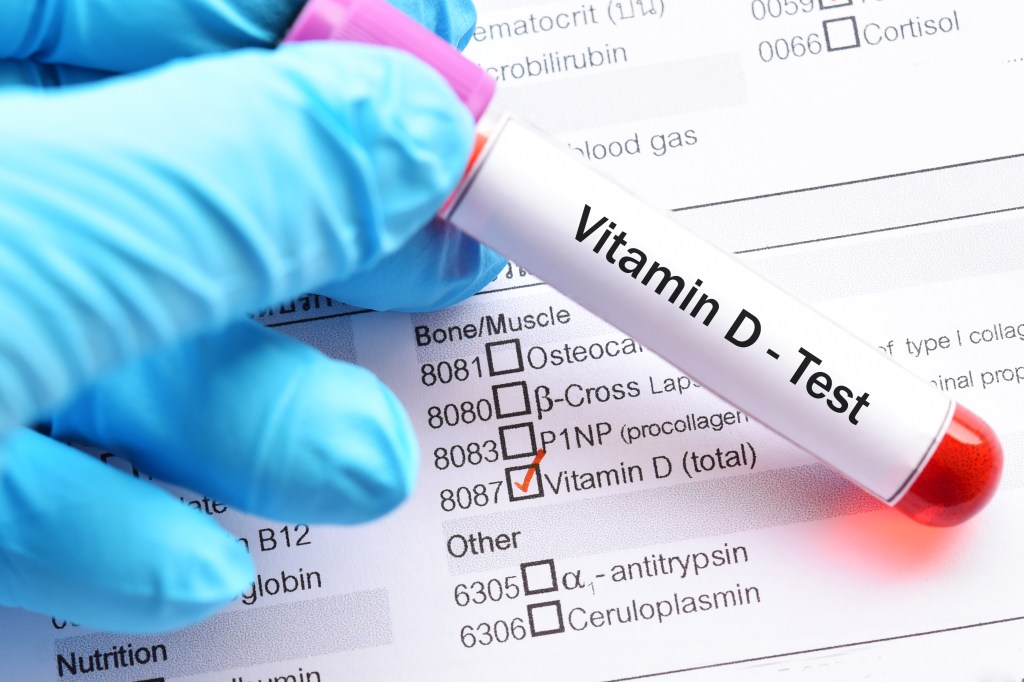
In most cases not, particularly if you are following the health guidelines to start taking vitamin D in October. However, if you have underlying medical conditions and need a tailored dose, it can help your health provider know. Your doctor may recommend a vitamin D blood test if you have bone pain that could indicate deficiency or osteoporosis that may affect its absorption.