
Endometriosis affects around one in ten women in the UK, but it can sometimes take up to ten years for a diagnosis – until new testing this summer has allowed a diagnosis to be picked up much earlier. I caught up with Francesca Chetham, nutritionist at Doctor Seaweed, on the warning signs to look out for – and what can really help
Words: Amy Dowrick | Images: Shutterstock
What is endometriosis?
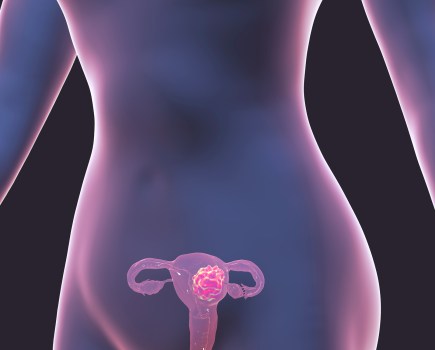
Endometriosis is a chronic condition where tissue similar to the lining of the womb grows elsewhere in the body, usually around the pelvis – and the symptoms can be debilitating.
“The biggest red flag is period pain that stops you living your life,” says Francesca, who has specialised in women’s health & fertility since her own diagnosis with PCOS and endometriosis in 2020. “If you’re missing work or school, cancelling plans, or the usual painkillers aren’t touching it, that isn’t ‘just a bad period’. It deserves investigating.”
Francesca says that if you’re concerned you might have endometriosis, these are the signs you need to look out for:
- Pelvic pain outside your period
- Pain during or after sex
- Painful bowel movements or weeing around your period
- Heavy bleeding
- Significant bloating (often called ‘endo belly’)
- Exhaustion
- Difficulty getting pregnant
The problem with endometriosis diagnosis
But according to Francesca, it can take years before women are correctly diagnosed.
“Many women are told they have IBS for years, because the gut symptoms overlap so much,” she says. “My advice is to see your GP as soon as symptoms are affecting your day-to-day life, and to take evidence with you.”
Francesca also suggests keeping a symptom diary for two or three cycles, noting your pain levels, where the pain is, your bowel symptoms and how it affects what can do.
“It makes it much harder to be brushed off,” she adds. “If you don’t feel heard, it’s completely reasonable to ask for a second opinion or a referral to a gynaecologist.”
At the moment, the average wait for an endometriosis diagnosis in the UK is between seven and ten years – and even longer for women from ethnically diverse communities.
“Diagnosis usually involves a pelvic examination, then ultrasound or MRI, and often a laparoscopy, which is keyhole surgery to look inside the pelvis” Francesca says. “That’s a long, invasive road.”
But with this new saliva test, all of that might be changing. Endotest looks for tiny molecules in saliva called microRNAs that are linked with endometriosis. It was recommended for use in the NHS this July by the National Institute for Health and Care Excellence, alongside a second non-invasive test.
“It’s genuinely exciting, because it could give GPs a tool to pick up endometriosis much earlier in primary care,” says Francesca. “Women would get an answer, and a treatment plan, years sooner.”
But there is one note of caution. While these tests are still being evaluated in everyday GP settings, Francesca says that a negative result shouldn’t be used to dismiss someone whose symptoms persist. Your symptoms are still valid, test or no test.

How to manage endometriosis symptoms
Since endometriosis is a whole-body, whole-life condition, Francesca says that managing it works best as a team approach.
“That means medical treatment from your GP or gynaecologist, alongside pain management, pelvic health physiotherapy, nutrition and emotional support,” she says – but supporting your wellbeing alongside the physical symptoms is just as important.
“Wellbeing matters just as much because chronic pain and mental health are deeply intertwined,” she adds. “Living with pain, often for years before anyone believes you, is exhausting. It can lead to anxiety, low mood, poor sleep and isolation – and stress and poor sleep in turn can make pain feel worse.”
“Looking after your mental health isn’t a ‘nice to have’. It’s part of breaking that cycle.”
Francesca recommends talking therapies, as well as connecting with people who truly understand.
“Feeling heard and less alone can make a real difference – and the Endometriosis Foundation is a brilliant place to start,” she says. Founded by Carla Cressy, who waited more than a decade for her own diagnosis, the foundation offers information, education and community, including free ‘Let’s Talk Endo’ sessions where experts and women living with the condition share what has helped them.
Can supplements help?
While supplements should support your medical care, and not replace it, Francesca does recommend a few to help manage symptoms:
Omega-3 fish oils
“EPA and DHA have anti-inflammatory effects, and there’s evidence they can help ease period pain. If you’re not eating oily fish such as salmon, mackerel or sardines two to three times a week, a good-quality supplement is worth considering.”
Magnesium
“Magnesium contributes to normal muscle function and the reduction of tiredness and fatigue. Many women find it helps with cramping and sleep, and magnesium glycinate tends to be gentle on the stomach.”
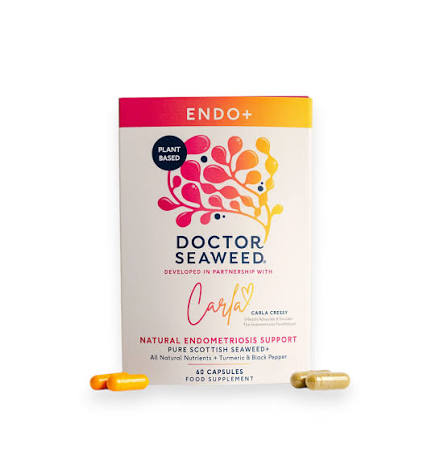
Endo+ from Doctor Seaweed
Endo+
Women’s Fitness verdict
“I like this one because it was co-created with endometriosis advocate Carla Cressy, so it’s shaped by someone who has lived with the condition. It’s a two-capsule system.”- Formulated for those with endo – by someone who’s lived it
- Supports the body through heavy periods and the iron depletion they cause
- Iodine-rich Scottish seaweed with added nutrients plus turmeric and black pepper
- Supports thyroid function, energy metabolism, immune health, and antioxidant protection
- Helps reduce fatigue, support hormonal balance and mental focus
“The first capsule combines Hebridean seaweed, a natural wholefood source of iodine, with vitamins and minerals. Iodine contributes to normal thyroid function. Vitamin B6 contributes to the regulation of hormonal activity. B vitamins and vitamin C contribute to the reduction of tiredness and fatigue, which is one of the most draining and overlooked symptoms of endometriosis.”
“The second capsule is a high-strength turmeric extract with black pepper to aid absorption. Curcumin, the active compound in turmeric, is being actively researched for its anti-inflammatory properties in endometriosis.”
Please check with your GP or pharmacist first before introducing new supplements into your diet, particularly if you’re on hormonal treatment, have a thyroid condition or are trying to conceive.
Lifestyle changes
Francesca suggests starting with your nutrition. Since endometriosis is an inflammatory, oestrogen-driven condition, she suggests a Mediterranean-style way of eating:
- Plenty of vegetables, fruit, wholegrains, beans and lentils, nuts, seeds, olive oil and oily fish
- Lots of fibre to help the body clear excess oestrogen through the gut
- Cutting back on red and processed meat, alcohol and ultra-processed foods, which some research links to higher risk and worse symptoms
“If gut symptoms are a big issue, a low-FODMAP approach can help some women,” she adds. “It should be done with professional support, because it’s restrictive and only meant to be short term.”
Beyond food, Francesca also advises gentle, regular movement like walking, yoga or swimming for the pain, but also allowing plenty of rest too.
To manage the pain, she recommends heat, managing your stress, improving your sleeping pattern and considering pelvic health physiotherapy, which she says is hugely underused.
“Start with one or two changes that feel manageable and build from there,” she says. “Small steps really do add up.”
Francesca is a Nutritional Therapist with over 12 years’ experience working in the supplement industry. After the discovery of her fertility complications in 2022, she came across Nutritional Therapy as a way to see how she could improve her and her family’s health. She now supports clients through digestive issues, picky eating, anxiety, IVF nutrition support, pregnancy, and hormonal conditions. Find her at https://www.instagram.com/francescachetham/.