
From boosting mood and easing aching joints to building confidence and community, experts explain the potential benefits of cold water swimming – and how to get started safely
PICS: Getty Images
One of the best workouts for your mind and body, cold water swimming has been making waves for its multi-purpose benefits. With a huge 7.5 million of us in the UK venturing into rivers, lakes, lidos and seas – according to the The Outdoor Swimming Society (OSS), the pioneer of open water swimming events – it is proof that this wellness trend is set to stay.
Not just in the UK, outdoor swimming participation has continued to rise sharply worldwide, and women make up a large number of regular cold water swimmers. According to lots of reports and surveys – including research published in 2023 by Outdoor Swimmer, that pointed to the growth in open water swimming driven by women, (who made up 77% of the survey sample) – it’s females who are diving in to the water much more than men. And the growth has been fastest amongst women over the age of 50, as the activity combines several things they crave at this stage of their lives.
“The number of adults regularly swimming in open water in England has more than doubled since 2016 and the steep curve among older females points to a number of factors,” explained pharmacist Ana Carolina Goncalves, of www.pharmica.co.uk – the UK’s #1 Online Pharmacy on Trustpilot.
“Firstly cold water swimming can be a low-impact form of exercise that can help women spend more time outdoors, add to their routines, build a sense of community and provide a mental reset.
“The physical and mental health benefits can include gentle exercise, cold exposure, time in nature and social connection. Some women also notice improvements in mood, anxiety, sleep and menopause-related symptoms such as hot flushes, although the evidence is still developing. Physically, swimming is low-impact, which can be helpful for joint comfort and general fitness.”
To delve a bit deeper into the benefits of cold water swimming for older women, optimal ageing expert Julie Robinson, founder of the fitness initiative, Move it or Lose it, and also a brand ambassador for GOPO joint health, explained:
“Cold-water swimming can feel invigorating, and many people find it beneficial to support their physical and mental wellbeing. The cold water causes blood vessels to constrict and then dilate as the body warms up afterwards which may help support circulation. Many swimmers also report feeling more energised and refreshed after a cold-water swim, with the activity encouraging the body to adapt to short-term physical stress in a controlled way.
“Maintaining and supporting your long-term joint health should also be a priority when swimming. “Keep in mind that backstroke or front crawl is often gentler on the joints than breaststroke.”
COLD WATER SWIMMING AND MENOPAUSE SYMPTOMS
From helping you sleep to stopping your mind racing, cold water swimming has been known to really help women struggling with various menopausal symptoms. And it’s excellent for aching joints, a common symptom.
As someone who regularly works with older women, therapist Eloise Skinner has heard many of her clients speak of how cold water swimming has helped ease their menopause symptoms.
“In particular it can provide a great form of low-impact, immersive exercise and this type of movement can ease joint pain, assist with flexibility and help to develop a sense of community with those who share similar interests.”
In fact when it comes to helping with joint pain, Dr Christopher Collins of Concierge Medical believes cold water swimming helps improve core strength and build muscle mass which will help with joint pain, as well as fight against frailty and prevent falls.
“Metabolically, having more active muscle, of which cold water immersion can be a part, is naturally anti -inflammatory and can fight against joint pain, as well as things like diabetes and heart disease. “Bone density, a big issue for older woman, can be improved by resistance exercise, which cold water swimming can be part.”
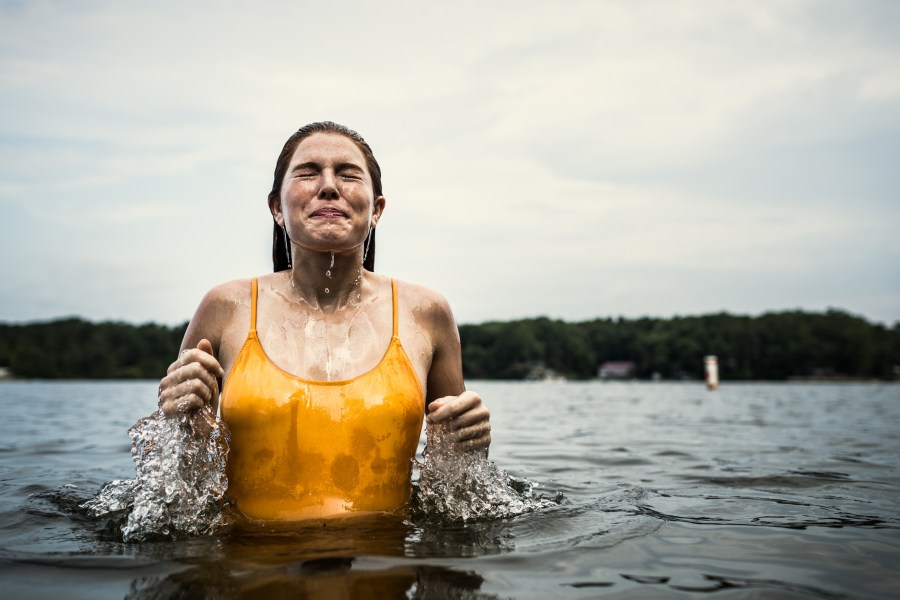
As for lifting mood, which a lot of women going through menopause need, most cold water swimmers will agree that part of the process is the wellbeing they feel afterwards.
“The process of exposing ones body and mind to a ‘less comfortable’ environment and taking it out of its comfort zone can really help build physical and mental resilience in the sometimes overly comfortable world we live in,” added Dr Collins. “This rush of stress hormones including adrenaline is where the often reported feel good effect being in cold water come from. Furthermore, the holistic health benefits of being immersed in nature shouldn’t be underestimated.”
And the same can be said for reducing anxiety, another menopausal symptom that can often be exacerbated during this stage of our lives. It is thought that cold water swimming can help anxiety by reducing the stress hormone cortisol. When the body is emerged in cold water, its flight or fight response is provoked and this is believed to reduce your cortisol.
Finally, when it comes to menopausal weight gain, cold water swimming is a good way to try and help manage it. The body, once in the water, has to work that bit harder to regulate temperature which increases your metabolic rate and burns off more calories.
NUTRITION ADVICE
If you plan to cold water swim for a lengthy time, how you fuel yourself is important. We asked consultant dietician Dr Sarah Schenker https://www.sarahschenker.co.uk/ for her advice on what to eat.
“Cold water swimming uniquely combines physical exertion, exposure to nature, and a sense of mindfulness, all of which support physical and mental wellbeing. However, it is a demanding sport that challenges the body and mind. Therefore, if you enjoy long-distance cold water swims, nutrition plays a crucial role in supporting performance, endurance, recovery, and overall health.
“Like many sports, the correct balance of carbohydrates, protein and fluids is crucial, but uniquely to swimming, timings are critical as is managing the increased appetite and hunger experienced after a swim.
“Carbohydrates are the body’s preferred energy source for endurance activities. Open water swims often exceed an hour, which means your body will rely heavily on stored carbohydrate (glycogen). “Glycogen stores deplete naturally during the day through day to day activity as well as exercise so a healthy source of carbohydrate at each meal is important to keep stores topped up. Daily intake: Aim for 5–7 grams of carbohydrates per kilogram of body weight during heavy training periods.
“Pre-swim: Have a high-carb meal three to four hours before long swims such as a bowl of porridge and a banana smoothie.”
“And don’t miss out on some protein as it is essential for maintaining lean body mass, muscle repair and recovery after a cold water swim. Daily intake: Aim for 1.2–2.0 grams of protein per kilogram of body weight.”
BEGINNERS’ ADVICE
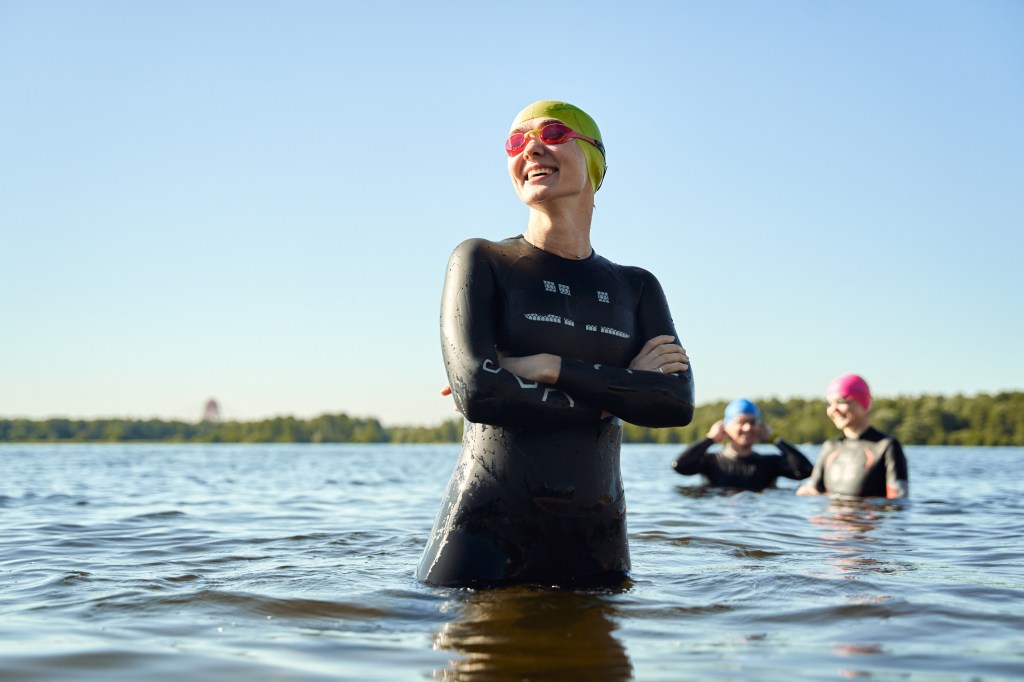
If you are new to cold water swimming, it can prove a bit of a shock to the system so knowing how to ease yourself into it is important.
Family medicine physician Parth Bhavsar, founder of www.TeleDirectMD.com advises the best practice is keeping it “slow, boring, and safe to begin with.
“Choose a site that is supervised or lifeguarded, swim with experienced people, start in warmer months, and begin with short exposure to cold water rather than swimming in it. One should not enter water abruptly – it is important to walk into water, regulate breathing, and exit before becoming exhausted, numb, disoriented, and extremely shivering. In winter, for beginners, time in water could be several seconds to minutes, not a prolonged training.”
HEALTH WARNINGS
If you have any health issues such as heart disease, have uncontrolled high blood pressure, a history of arrhythmia, tendency to fainting, severe asthma or COPD, epilepsy, or impaired swimming skills, it is not advised to go cold water swimming without consulting your doctor first.
RISKS TO BE AWARE OF
Finally, whilst the majority of swimmers don’t have problems in the water, pharmacist Ana Carolina Goncalves advises of understanding the risks that can possibly occur below, so you are armed with all the facts.
– Cold water shock – a sudden immersion in cold water can cause gasping, rapid breathing and panic, which increases the risk of inhaling water. Enter the water gradually, avoid jumping in, and focus on slow, controlled breathing when entering the water.
– Heart and blood pressure strain – cold water can increase heart rate and blood pressure, which may be risky for those with heart disease, high blood pressure or other cardiovascular concerns
– Hypothermia – staying in cold water too long can cause body temperature to drop, leading to shivering, confusion and loss of coordination
– Cramps and reduced movement – cold water can make muscles stiff and increase the chance of cramp
– Water quality – rivers, lakes and seas can contain bacteria or pollution, which may increase the risk of digestive health issues, skin irritation or infections. It is also important to cover any cuts or wounds before entering the water
– Existing medical conditions and medication – asthma, diabetes, heart conditions and some medicines can affect how the body responds to cold water