
From changes in your sleep to new aches and pains, discover the surprising signs you’re getting older and why these unexpected changes happen.
Pics: Getty Images and Shutterstock
Learning to embrace growing older is a skill many people struggle to take onboard, yet ageing is a privilege many of us look past in favour of covering greys, scrutinising fine lines and booking our next anti-ageing facial.
But getting older is a natural part of the ageing evolution and according to Dr Babak Ashrafi, GP at Superdrug Online Doctor, it’s a chapter in our lives that we should pay closer attention to in order to live our best lives.
Knowing how to spot subtle signs you’re growing older is key, says Dr Babak.
1. You’re waking up more during the night
Changes to sleep can be one of the less obvious signs of getting older. You might find yourself waking more frequently, struggling to fall asleep as quickly or waking earlier than you used to.
‘Our sleep patterns can naturally change as we age, and we may spend less time in deeper stages of sleep. However, regularly struggling to fall or stay asleep shouldn’t automatically be dismissed as ‘just getting older’. Persistent sleep problems can affect your mood, concentration and wider health, so it’s worth seeking advice if they’re becoming a regular occurrence.’
For those experiencing ongoing sleep difficulties, Superdrug Online Doctor’s Insomnia Service can provide advice and, where clinically appropriate, treatment options.

2. Your sex drive isn’t quite what it used to be
A change in libido can happen gradually and may be easy to put down to getting older, but there can be several factors behind it.
‘Sex drive can fluctuate throughout life and can be influenced by stress, sleep, relationships, medication and underlying health conditions. In men, testosterone levels also tend to decline gradually with age. If you’ve noticed a significant or persistent change in your libido, particularly alongside symptoms such as fatigue or erectile difficulties, it’s worth discussing this with a healthcare professional rather than assuming age is the only explanation.’
3. Your blood pressure starts creeping up
You may feel perfectly healthy while your blood pressure is increasing, as high blood pressure often doesn’t cause noticeable symptoms but keep your eye on it.
‘Blood vessels naturally become less flexible as we age, which is one reason our risk of high blood pressure can increase. The difficulty is that you often won’t know your blood pressure is high unless you check it. Knowing your numbers and having them checked regularly is an important part of looking after your long-term cardiovascular health.’
Check on yours using a High Blood Pressure service for further assessment and support.
4. Your cholesterol levels aren’t what they used to be
Even if your diet hasn’t dramatically changed, your cholesterol levels can change over time.
‘Age is one of several factors that can affect cholesterol levels, alongside genetics, diet, activity levels and other health conditions. High cholesterol usually doesn’t have obvious symptoms, so testing is important.
‘Identifying raised cholesterol gives you an opportunity to make lifestyle changes and, where necessary, discuss treatment before it contributes to more serious cardiovascular problems’
5. You’re finding it harder to maintain the same weight
If the habits that kept your weight stable in your 20s suddenly don’t seem to have the same effect, changes in body composition could play a role.
‘As we get older, we can gradually lose muscle mass, particularly if we aren’t physically active. Because muscle uses energy, this can affect how many calories your body needs. Maintaining muscle through regular resistance exercise, alongside staying active and eating a balanced diet, becomes increasingly important as we age.’
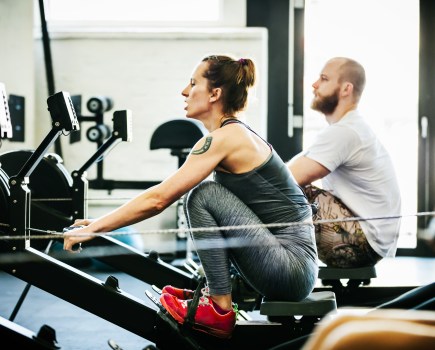
6. You need longer to recover after exercise
Feeling a little stiffer or needing more recovery time after a workout can become more noticeable with age although don’t allow this to become a barrier.
‘Recovery can take longer as we get older, but that doesn’t mean you should stop challenging your body. Regular exercise is one of the best things you can do to support healthy ageing. A combination of cardiovascular activity, resistance training and mobility work can help maintain muscle, bone health and cardiovascular fitness.’
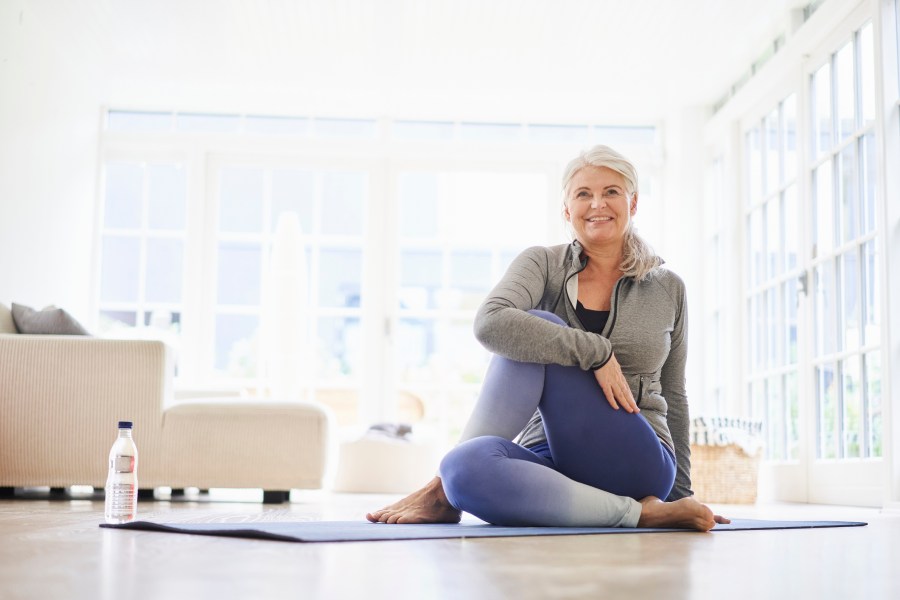
What can you do now to age well?
‘Healthy ageing is influenced by the habits you build throughout adulthood. You don’t need to wait until you’re older to start thinking about it. Regular exercise, a balanced diet, good-quality sleep, not smoking, moderating alcohol and keeping on top of health checks can all help support your long-term health.
‘Prevention is particularly important because conditions such as high blood pressure and high cholesterol may not cause noticeable symptoms. Getting into the habit of knowing your key health numbers and seeking advice when something changes can help you act earlier.’