
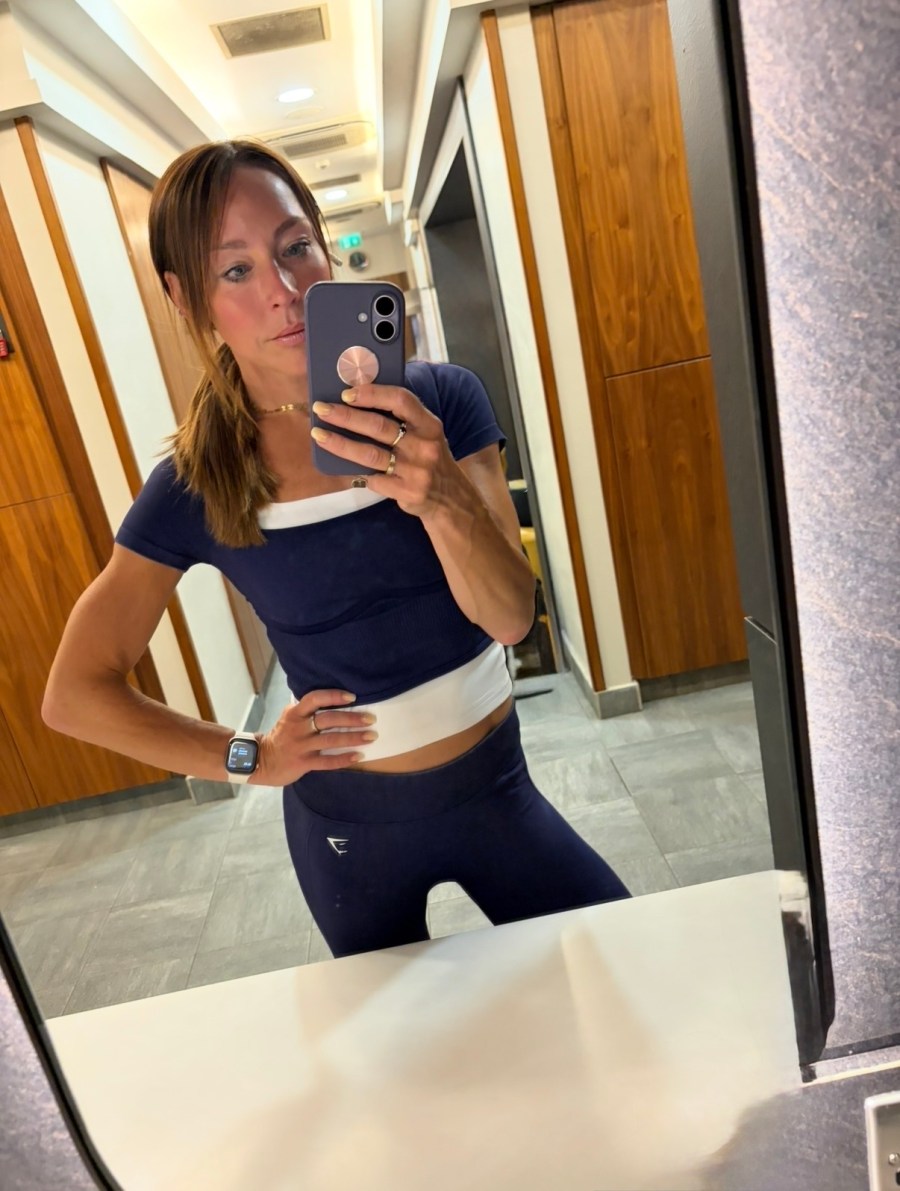
From lifting weights to getting more sleep, here are five practical, research-backed weight-loss tips that work. How do I know? Because I do them
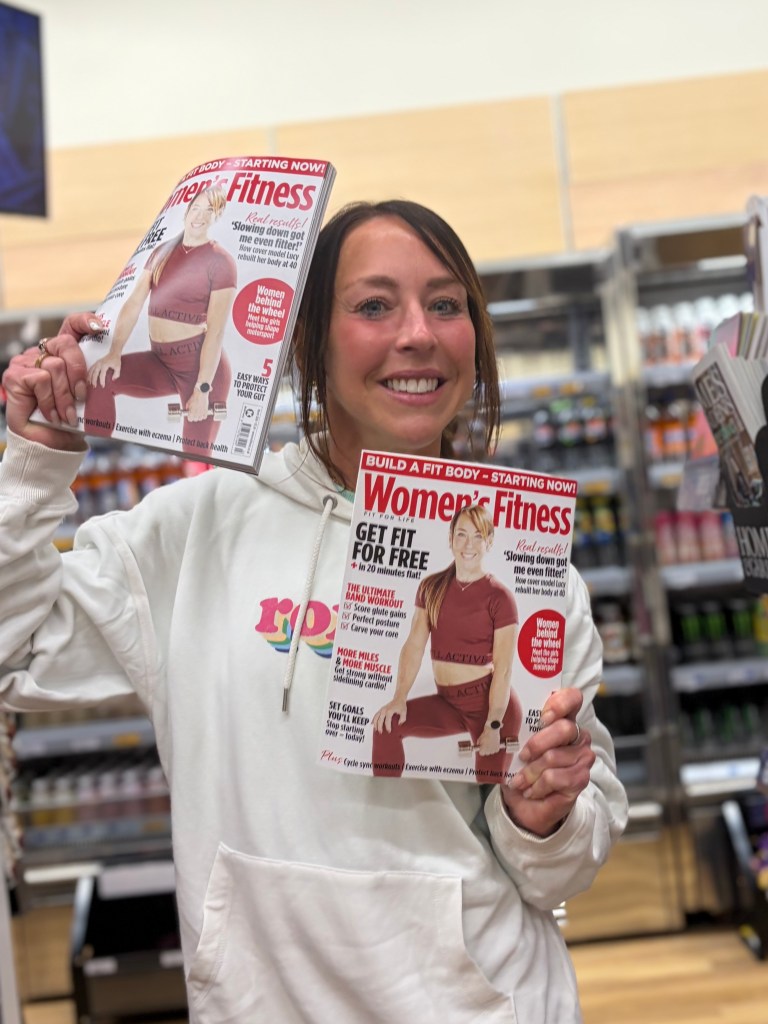
I’m in my 40s, I write about fitness and nutrition for a living. Did I mention I’ve been on the cover of a few magazines, too? So, realistically, I’d like to think I know a thing or two about getting in shape – and staying in shape. But one thing I’ve become increasingly aware of as I’ve got older is that maintaining a certain look isn’t quite as straightforward as it once was. Priorities change, and so does the way you train and approach your health goals.
Gone are the days when squeezing in a few extra runs or no carbs after 5pm are at the top of my to-do list. These days, I’m far more interested in building muscle, staying strong and making sure my body is in good shape all year round – and for as long as possible too. And yes, keeping that stubborn midlife belly fat at bay is also part of the plan. Because here’s the thing. You can exercise regularly, eat relatively well and still notice that your body is responding differently in your 40s. Sound familiar?
Part of this comes down to hormones. As women approach perimenopause and menopause, changing and declining oestrogen levels can influence where women store fat, with more tending to accumulate around the stomach. Add in age-related muscle loss, changes in metabolism, stress and less-than-perfect sleep, and suddenly the things that worked in your 20s and 30s might not be quite so effective. It’s quite the reality check.
The good news? There are plenty of things we can do. And no, they don’t involve hundreds of sit-ups, cutting out carbs or spending even longer in the gym. They’re simpler than you might think – and they’ll actually help. So here we go. Here’s five things I’ve been focusing on in my 40s to help maintain a healthy waistline, preserve muscle and feel stronger as I get older.
1. I’m lifting weights, not just clocking up miles
I’ve always loved running. I’ve completed marathons, half marathons and more miles than I care to count. But these days, I know that strength training deserves just as much attention as my running shoes. Why? Because as we get older, preserving muscle becomes increasingly important, and simply clocking up more miles isn’t necessarily the smartest way to get lean.
Lifting heavy(ish) two to three times a week helps preserve muscle during weight loss – and there’s evidence that it can reduce visceral fat, too.
In fact, a meta-analysis of 34 studies involving 2,285 people found that resistance training significantly reduced visceral fat, with benefits seen in both middle-aged and older adults.
From around our 30s onwards, we also gradually begin to lose muscle mass if we’re not doing enough to maintain it. And muscle isn’t just important for looking toned. It supports our strength, mobility and metabolic health, all of which become increasingly important as we age.
That’s why I’m making strength training a priority rather than something I squeeze in once I’ve finished on the treadmill. These days, I aim for two to three full-body resistance sessions a week, focusing on movements such as squats, deadlifts, lunges, rows and presses – compound exercises that work several muscle groups at once, making them extremely efficient and time-effective.
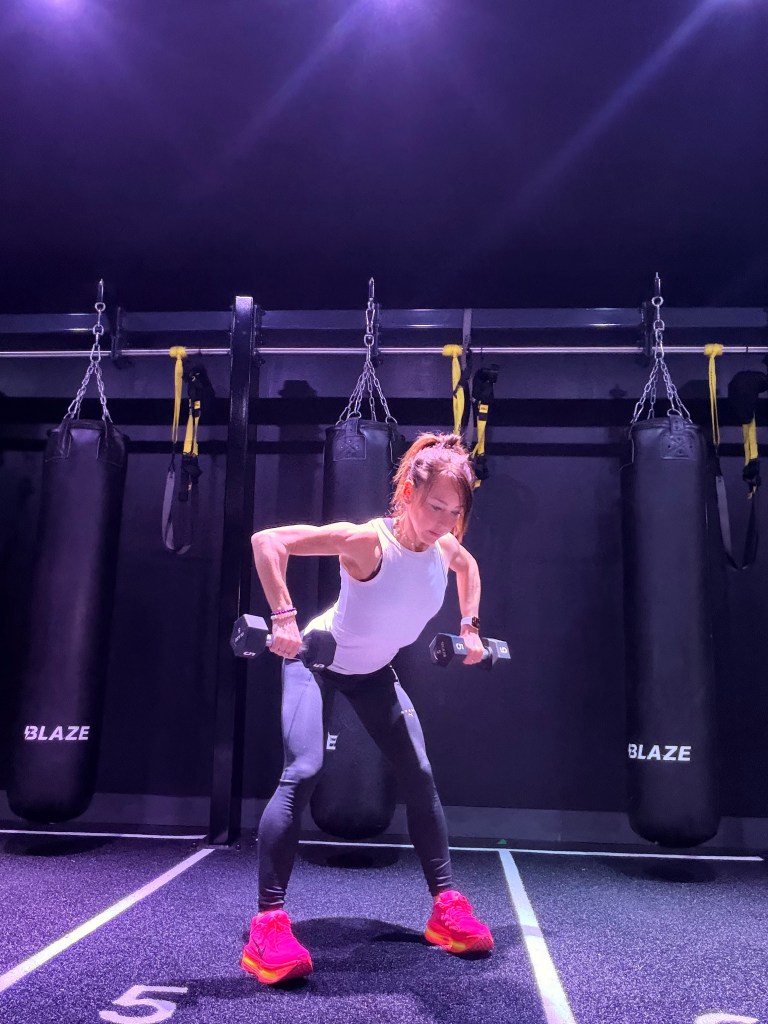
So don’t abandon the weights because you’re trying to lose belly fat. The goal is to lose fat while keeping the muscle underneath it.
Top tip: Don’t just focus on how much you weigh. Pay attention to how much you can lift, too. Lean mass will not only keep you strong as you age but also help support your metabolism as you age.
2. I’m keeping cardio in the mix – but not relying on it for fat loss
Running will always have a place in my fitness routine. Not just for the physical benefits, but because there’s nothing quite like getting out into nature, clearing my head and coming home feeling like I’ve achieved something before the day has even begun.
But one thing I’ve learnt is that more cardio doesn’t automatically mean less belly fat.
While running, cycling and other aerobic activities can help reduce overall body fat, strength training plays an equally important role in maintaining muscle.
And research suggests combining the two can be particularly useful for improving body composition and reducing visceral fat.
Interestingly, a 2026 analysis of 60 randomised controlled trials involving more than 3,300 adults with overweight or obesity found that aerobic exercise, resistance training, HIIT and combined training could all help reduce visceral fat.
The researchers also found that more exercise wasn’t necessarily better, with a non-linear relationship between exercise dose and visceral fat reduction. In other words, a sensible, sustainable training routine may be more useful than punishing cardio.
So rather than spending every workout pounding the pavements, I’m mixing things up. Some days that means lifting weights, other days running, and sometimes a long hike or yoga. I’ve finally learnt that you don’t need to exercise every single day to look after your health. And you certainly don’t need to exhaust yourself in the process.
Top tip: For me, a good weekly mix is three strength sessions, two cardio sessions and plenty of everyday walking. I like to aim for around 10,000–15,000 steps a day when I can, but that’s just my personal target. In short, you certainly don’t need seven days of punishing workouts.
3. I’m paying more attention to protein
I’ll admit it. In my younger years, I was probably more interested in how many calories I was eating than whether I was getting enough protein. These days, the aim is to get protein in at every meal whether that’s eggs at breakfast, Greek yoghurt mid-morning and a chicken, fish, or beans-based lunch and dinner.
That’s because protein is essential for maintaining and repairing muscle, particularly if you’re strength training regularly. Plus as we get older, preserving muscle becomes increasingly important for keeping our bodies strong and supporting a healthy body composition.
It also helps regulate appetite hormones like ghrelin throughout the day, which can help you feel fuller for longer – whilst reducing the urge to snack. Handy when that afternoon lull kicks in.
Top Tip: Research suggests that around 1.2–1.6g of protein per kilogram of body weight a day may help support muscle health as we age, particularly if we’re active. Personally, I aim for around 140g a day, which I find easier to achieve when I plan my meals and do a little food prep ahead of the week. The plan is to eat to perform – oh, and eat to recover.
4. I’m moving more outside my workouts
Here’s something that’s easy to overlook when you train regularly. Just because you’ve spent an hour in the gym doesn’t necessarily mean you’ve been particularly active for the rest of the day.
And as someone who spends a fair amount of time sitting at a laptop writing features, I know how quickly the hours can disappear without much movement.
That’s where NEAT comes in. Short for non-exercise activity thermogenesis, it’s the energy we use doing everyday things that aren’t structured exercise.
Walking to the shops, taking the stairs, cleaning the house, taking the kids to the park after school or simply getting up from your desk and pacing during a phone call all count.
And while none of these activities will magically melt belly fat, they contribute to our overall daily energy expenditure and help reduce the amount of time we spend sitting down.
So I’m making a conscious effort to walk more, get outside between writing deadlines and generally keep moving throughout the day.
Sometimes it’s a brisk walk after lunch. Other times it’s taking the longer route after the school run – or simply taking the stairs when I’m out shopping. It’s nothing particularly glamorous – but it’s often the small things we do consistently that make the biggest difference.
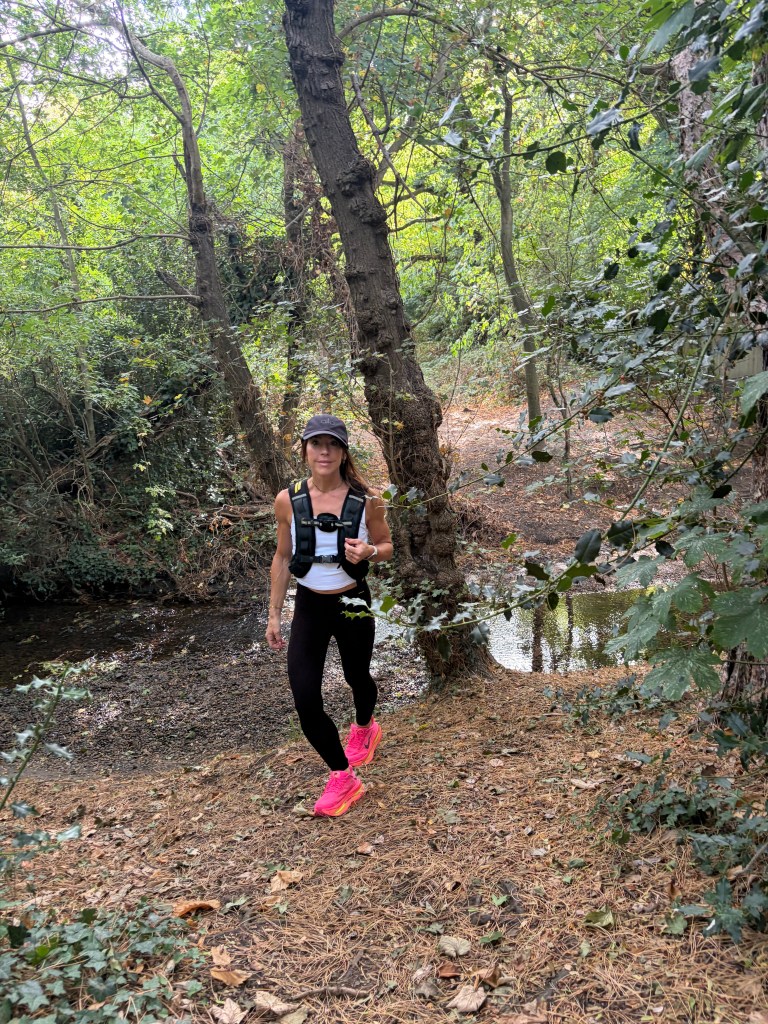
My Top Tip: I sometimes wear a weighted vest for my walks. Adding a little extra weight can make walking more challenging and increase the energy needed to move. I also make a conscious effort to get up and walk around during phone calls. Every little bit counts.
5. I’m taking sleep and recovery much more seriously
If there’s one thing I’ve become less willing to compromise on in my 40s, it’s sleep. I’ve learnt to protect it like it’s part of my training. That’s because poor sleep can affect hunger, appetite regulation, energy levels and how well we recover from exercise. And research has also linked shorter sleep duration with a slightly increased risk of abdominal obesity.
A 2024 systematic review and meta-analysis found that adults who regularly slept for shorter periods had a higher risk of central obesity, although that doesn’t mean poor sleep directly causes belly fat.
So I’m trying to be more consistent with my bedtime – ideally 10.30pm to 6.30am – and listening to my body when it needs a rest day rather than pushing it through another hard workout.
More isn’t always better – and sometimes the most productive thing you can do for your fitness isn’t another gym session. It’s going to bed.
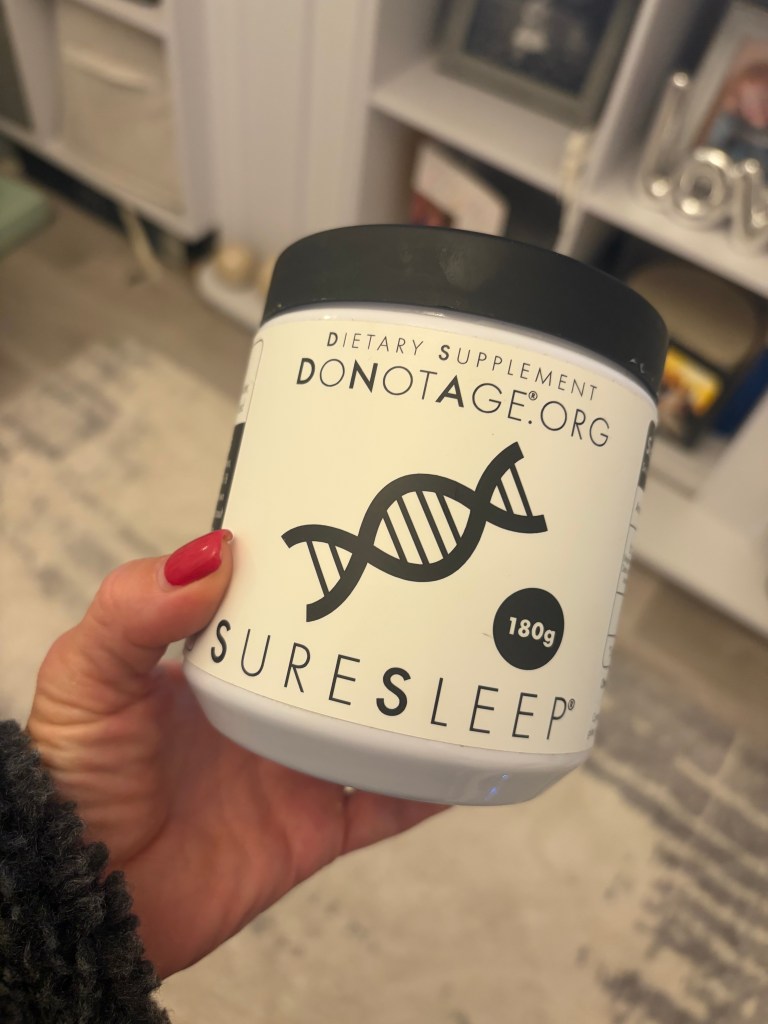
My top tip: Magnesium has become part of my evening routine. It’s a mineral involved in normal muscle and nervous system function, including processes linked to GABA (your brain’s natural chill-out neurotransmitter). Personally, I find it helps me wind down and let go of the day’s tension before I hit the hay. My current go-to is SureSleep from DoNOTAGE.ORG, alongside a consistent bedtime routine.