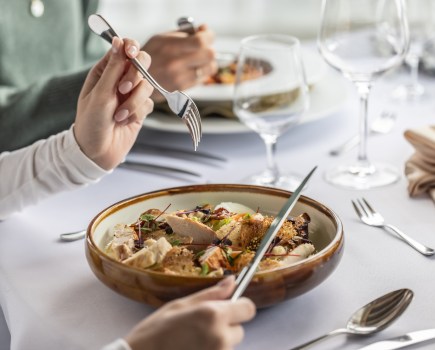

Taking weight loss drugs can help you lose weight by suppressing hunger. But did you know, eating a poor-quality diet could be disrupting your body’s natural ability to regulate appetite? Here’s why food quality needs to be part of the conversation around weight loss drugs.
The number of people taking weight loss drugs has surged in recent years, with 1.6 million UK adults using them in past year alone. For many, these medications have offered life-changing results and hope for a longer and healthier life.
However, while the conversation is largely focused around suppressing appetite, controlling portions and reducing food intake, little attention is being paid to the quality of the food being eaten or where it comes from.
And with poor-quality foods being shown to disrupt your body’s natural ability to regulate appetite, turning a blind eye to food quality could make it harder to maintain a healthy weight in the long run.
Understanding how weight loss drugs work
Weight loss drugs work by suppressing your body’s hunger signals. ‘At the centre of this discussion is GLP-1, a hormone naturally produced in the gut which regulates appetite by slowing digestion, balancing blood sugar and signalling fullness,’ explains nutritionist Dr Lucy Williamson. ‘The latest medications work by mimicking or enhancing this process.’
While eating less food will lead to a reduction in body weight, Lucy explains this is only half the solution. ‘For some, weight-loss drugs are an important and necessary intervention,’ she says. ‘But eating less of a poor-quality diet is not a long-term solution.’
The quality of your food determines your appetite
Appetite often gets a bad rep, seen as something to resist and feel guilty for. But it’s an important line of communication between the brain and body – when working correctly. ‘Appetite is not simply a matter of willpower, but a biological process shaped by signals between the gut, brain and metabolism,’ Lucy explains.
‘At the heart of this system lies the gut microbiome, the vast community of microbes living in your large intestine and impacting your wider health. And beneficial gut microbes help regulate appetite by enhancing GLP-1 signalling.’
To keep your gut microbiome healthy, you need a diverse diet that’s rich in fibre and antioxidants. Unsurprisingly, this is not something you’ll find in poor-quality or ultra-processed foods. ‘UPFs, in which nutrients have been displaced by high energy sugars and fats, reduce this diversity,’ continues Lucy. ‘This weakens your gut’s protective role in overall health, including its influence on appetite.’
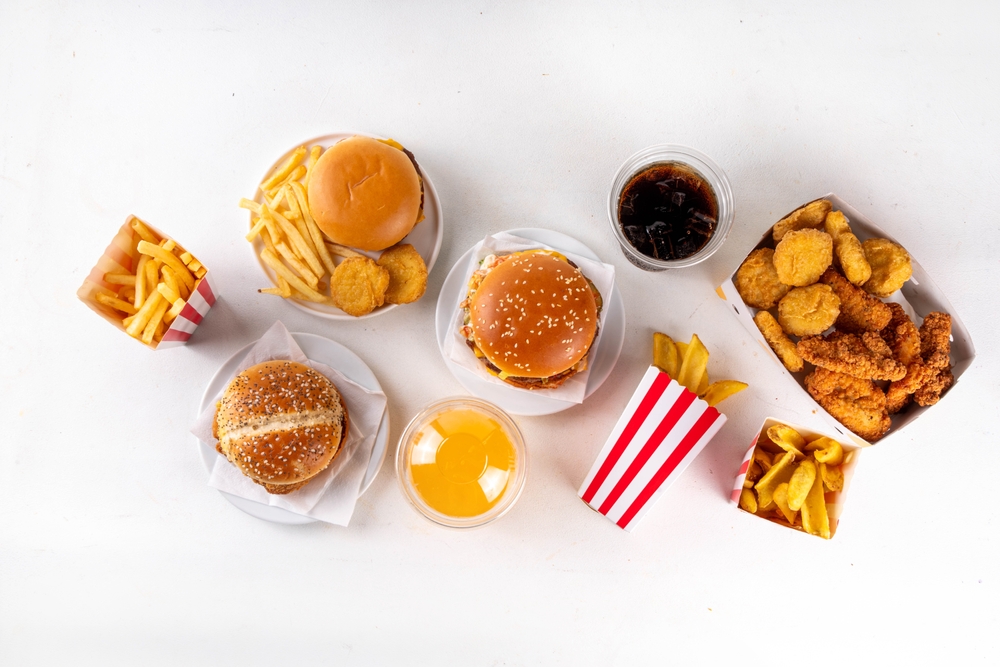
How ultra-processed foods disrupt appetite regulation
To understand how UPFs impact the body, we first need to understand how our body processes good-quality wholefoods. ‘Food itself is more than nutrients,’ Lucy explains. ‘It should be a multi-sensory experience: a complex “matrix” of structure and chemistry that determines how quickly its nutrients are absorbed, how full we feel and how long that fullness lasts.’
‘When this matrix is disrupted by processing or lower nutrient density, our biology no longer recognises this “food”. As a result, our finely tuned appetite system just doesn’t work for us,’ she adds. ‘Appetite, then, is not just about how much we eat, but what we eat, and how that food interacts with our internal ecosystem.’
Weight loss drugs may work to suppress appetite in the short-term. But according to Lucy, improving your food quality can offer a longer-term solution. ‘The goal is not simply to override appetite,’ she explains, ‘but to restore the body’s natural ability to regulate it and in doing so protect your long-term health.’
Improving your food quality
Taking a closer look at food quality can hugely benefit your health and wellbeing. And this is true for everyone – not just those who are taking weight-loss drugs.
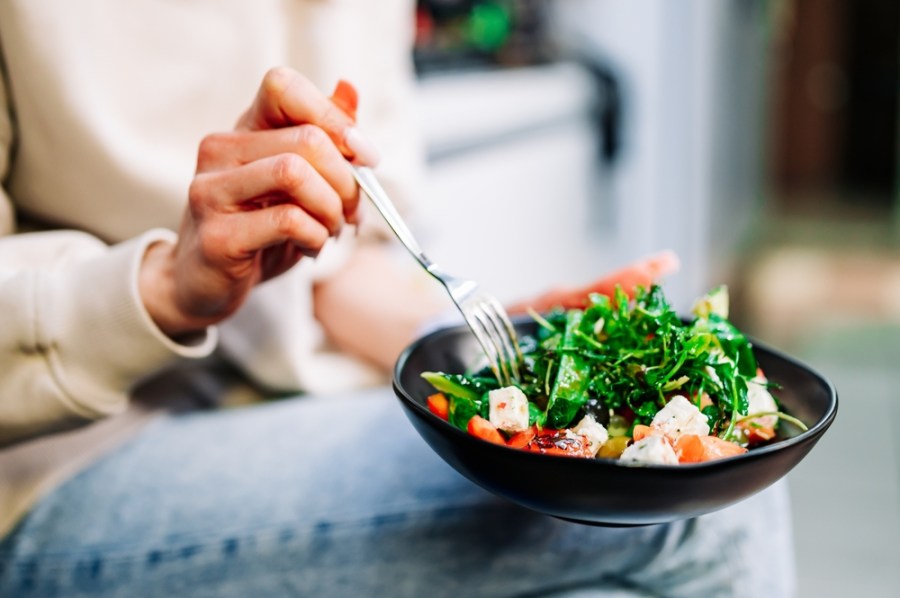
Instead of reaching for pre-packaged, ultra-processed foods, focus on eating a wide variety of natural whole foods throughout the week. Lots of nutritionists recommend eating 30 different plant-based foods each week.
Over time, improving the quality of the food you eat will help to support your gut microbiome, restore your body’s natural ability to regulate appetite and help to reduce inflammation in the body. In turn, this can help you build a longer-term and more sustainable weight management strategy beyond the jabs.
Dr Lucy Williamson is a nutritionist, author and former vet with 30 years’ experience across soil, livestock, food and human health. Her book, Soil To Gut: How to Regenerate Your Health with Food, is available to pre-order now. Find out more at lwnutrition.co.uk