
Discover the benefits of adaptogens and how they could help enhance your sporting and fitness performance, says herbalist Schia Mitchell Sinclair
Words: Schia Mitchell Sinclair | Images: Shutterstock & various brands
Adaptogens are a group of remarkable plants that have been used for thousands of years to help the body adapt to stress and to help restore balance. They provide a defence response to acute or chronic stress and increase the body’s resistance to stress. Adaptogens have gained popularity in modern healthcare, and their ancient wisdom has been translated into contemporary products that can help you with those modern-day stressors.
Athletes and fitness enthusiasts are always looking for ways to enhance their performance, and adaptogens have been found to be a natural way to help. Here are five that could help you perform and recover better…
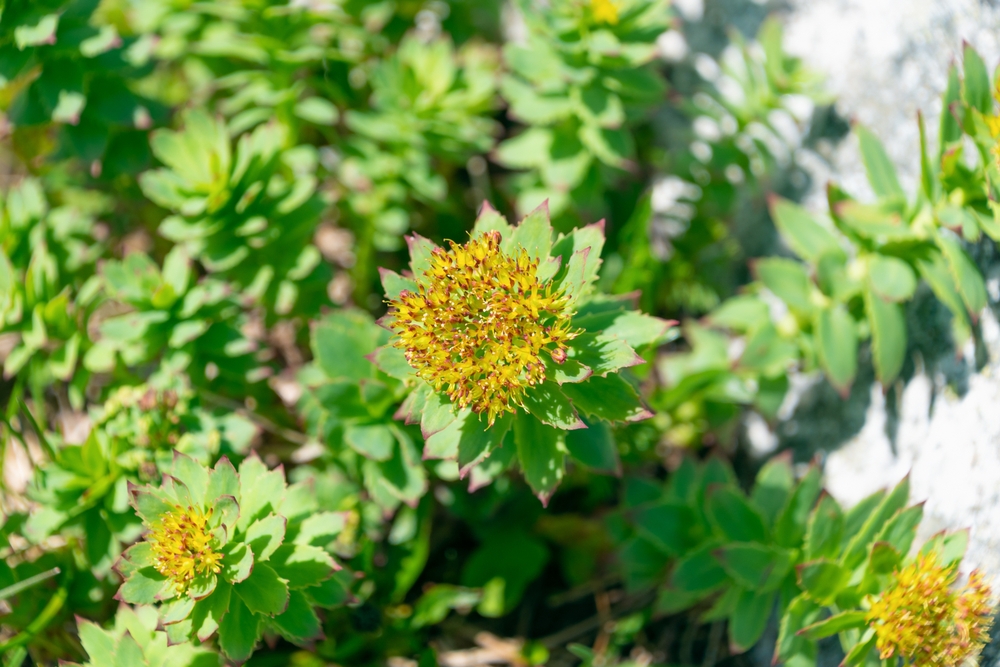
Rhodiola
Rhodiola was taken by Vikings to enhance mental and physical endurance. This fascinating plant grows in low-oxygen conditions at high altitudes. Research has demonstrated that rhodiola can reduce fatigue, increase the time to exhaustion, reduce perceived effort, improve recovery after exercise and reduce the impact of exercise on the immune system.
Studies into the use of rhodiola with exercise have given some clues as to how it works in the body. One study found that rhodiola supplementation reduced both lactic acid and creatine kinase levels after an exhaustive exercise session.
Creatine kinase is an indicator of muscle damage; those micro tears you get in muscles during exercise. Lactic acid is produced by your body when it has run out of oxygen and switches to anaerobic respiration. Micro tears and higher levels of lactic acid cause the aching muscles you get after prolonged or intense exercise.
Larger, one-off doses of rhodiola were found in another study to reduce the amount a cyclist’s heart rate increased over a six-mile cycle, and researchers reported back that the herb decreased the participant’s perception of the effort involved.
While prolonged or intense exercise often causes a dip in immune function for a period of time afterwards, when rhodiola was given to marathon runners, it was found to induce anti-viral activity, potentially mitigating against this immune dip.
A further study found that participants taking rhodiola experienced less fatigue under stressful conditions than those taking a placebo. Another group hypothesised that the improvements they found with rhodiola and cordyceps supplementation while training at high altitude were due to better maintenance of parasympathetic nervous system activity and quicker adaptation to the change in atmosphere.
Ginseng
Panax ginseng has a long history of use in Asian medicine as one of the great tonic herbs. It was believed to calm and strengthen the mind, pacify the soul and prolong life.
As a herb used to increase energy and fortitude, it is perhaps obvious that it should be used to help with performance and recovery in exercise. Studies to verify this are somewhat conflicting. There are some that report no effect but equally many others, as well as much anecdotal evidence, that seem to indicate that it does.
Positive results have demonstrated increases in exercise time before exhaustion, improvement in visual and auditory reaction times, recovery after stair climbing, increased aerobic capacity and increases in total workload.
Why ginseng exerts these effects is not entirely clear although some of the research has given some clues. Ginseng has been shown to increase levels of antioxidant enzymes and to decrease markers of oxidative stress after exercise. It increased aerobic capacity, oxygen uptake and total workload, and reduced blood lactate levels and heart rate in other studies. These effects seem to be most efficient while people are still taking the ginseng. It seems that after supplementation is stopped, only a few improvements remained after three weeks.
Cordyceps
This adaptogenic mushroom has been used by athletes as a natural way to improve their performance in both swimming competitions and track events. Indeed, the impact of cordyceps supplementation on the performance of unranked Chinese athletes in 1993 has focused the attention of the world on this amazing mushroom.
Cordyceps has been credited with giving more sustained energy than caffeine, which may be why it helps with our capacity for exercise. Studies on cordyceps and exercise show the mushroom improves aerobic capacity, enhances energy stores, improves resistance to fatigue and tolerance to hypoxia, lowers cholesterol levels, prevents damage to cells caused by free radicals and normalises your immune function.
Interestingly, one study suggested that while taking cordyceps in larger doses over the short term may have an impact on exercise, it found a greater benefit was obtained by lower but more consistent supplementation over a longer period. Three studies to date have shown that cordyceps had no effect on professional athletes or competitive cyclists. One mushroom expert postulates that this may be because these people are already working at or near their maximum oxygen capacity.

Reishi
Reishi mushroom is not well known for its impact on athletic performance. It is more usually recognised as the ‘mushroom of immortality’, renowned for keeping people healthy into old age. But maybe this little gem has earned a place among other herbs for use by those who wish to be more active?
In studies, reishi, or its polysaccharides, have been found to improve aerobic endurance, lower body flexibility and velocity in a group of women with fibromyalgia, reduce exercise-induced oxidative stress and to reduce exercise-induced fatigue. It is possible that these effects are only applicable to those whose ability to exercise is already impaired due to illness or older age, given that a study in healthy young adults found no impact on exercise tolerance.
Reishi is best known for its role in normalising immune function and as an anti-inflammatory. It might be in this context that we should consider it useful in exercise. A study on its effect on the immune systems of football players who were living in high-altitude conditions and training at sea level, found indications that reishi may help to mitigate the effect of strenuous exercise on the immune system.
These are the best supplements for women over 50 – according to a nutritionist
Ashwaganda
The name ashwagandha comes from the Hindi word ‘asgandh’ or ‘smell of a horse’, and those who have taken the herb as a powder can attest to the strong smell! But the link to horses doesn’t end with the aroma of this amazing root. Ashwagandha was believed to give the strength and stamina of a stallion, enhancing vigour and improving recuperation.
Ashwagandha is known to reduce cortisol, the stress hormone, and promote muscle strength and mass. It is also known to improve endurance during physical activity and reduce exercise-induced muscle damage. In a study of 57 men taking ashwagandha while doing resistance training for eight weeks, researchers found significant increase in muscle mass and strength, reduction in body fat percentage and significantly less exercise-induced muscle damage compared to a placebo group.
Other studies have found improvements in muscle strength, cholesterol and reduced body fat after 30 days; improvements in oxygen utilisation in elite cyclists and time to exhaustion on a treadmill; improvements in upper and lower-body strength; increased velocity, power and aerobic capacity; improvements in cardiorespiratory endurance and quality of life, as well as improved oxygen utilisation, haemoglobin, core strength and stability.
We all know that simply improving stress levels, increasing the duration of good quality sleep and reducing inflammation throughout the body helps improve your reaction times, ability to exercise more easily and recover more quickly. As one of the few non-stimulating adaptogens, ashwagandha is ideally placed to do all of these and, in many studies, has been shown to do just that!
Try them for yourself
These products from The Herbtender are designed to help you perform at your best:
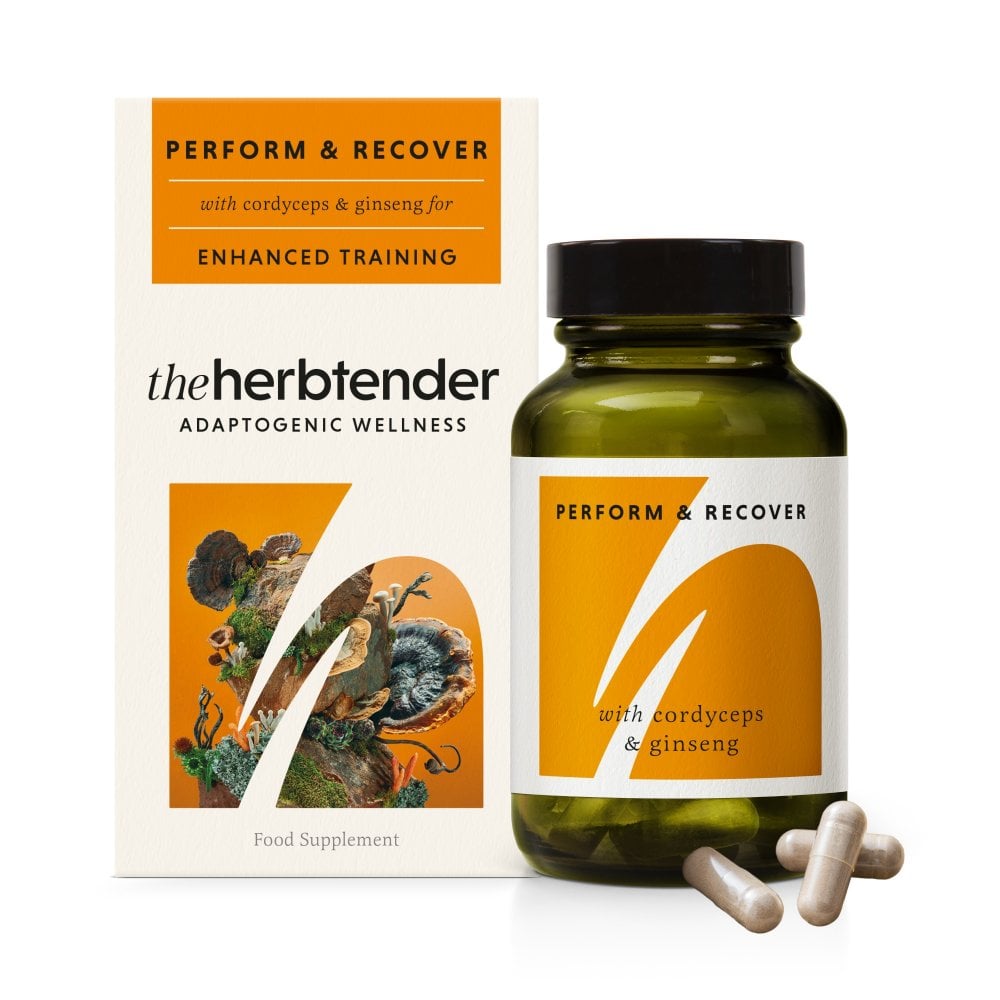
The Herbtender Perform & Recover
Women’s Fitness verdict
Helps you train harder and adapt faster thanks to rhodiola, ginseng, reishi and cordyceps plus vitamin C to reduce athletic stress and stop the early onset of training fatigue- Improves your endurance
- Supports your recovery and energy levels
- Reduces athletic stress, tiredness and fatigue
- Expertly formulated by a medical herbalist
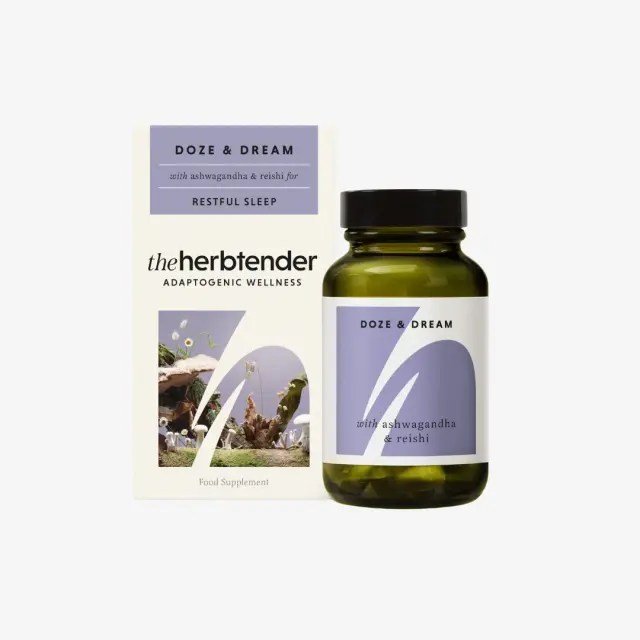
The Herbtender Doze & Dream
Women’s Fitness verdict
A tranquil blend based on ashwagandha to promote uninterrupted rest when you need to switch off and recharge. Blended to help your body relax so you can settle down for the night- Contains iodine to support normal cognitive function.
- Includes botanicals with active plant compounds.
- Designed to complement your evening routine.
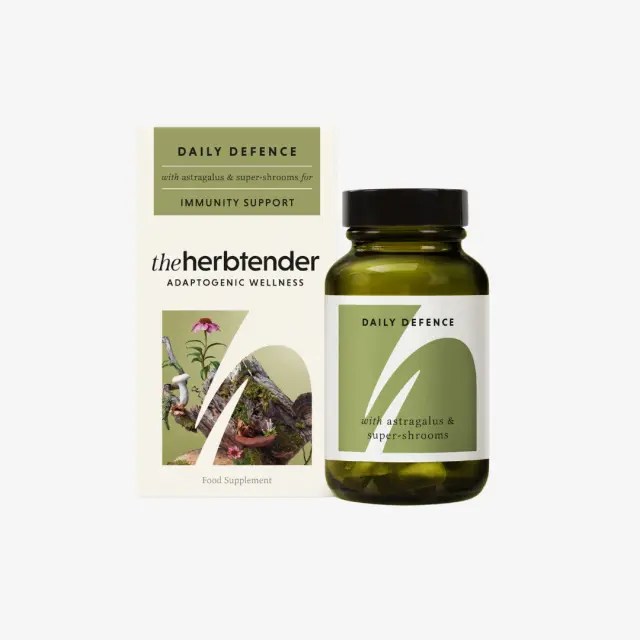
The Herbtender Daily Defence
Women’s Fitness verdict
Blended with adaptogenic herbs, mushrooms (including reishi and cordyceps) and vitamin C to support your immune system, helping your body ward off bacteria, viruses and toxins- With Vitamin C to support immune system function.
- Contains mushrooms and botanicals with plant compounds.
- Vegan-friendly and made with clean, natural ingredients.
(£30 for 60 capsules) is
Schia Mitchell Sinclair is chief herbalist at The Herbtender. Find them at instagram.com/theherbtender