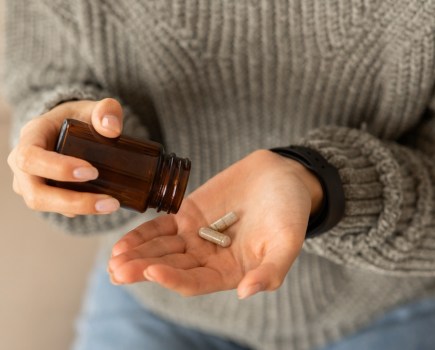


Keeping up with a supplements routine can be complicated. There are capsules, powders, pills and now even patches – but what happened to keeping it simple? Get all the benefits of supplements without having to line them up each morning, and sink into a hearty cup of tea…
Words: Amy Dowrick | Images: Shutterstock
As the second most popular beverage in the world, it’s often said that there’s nothing a cup of tea won’t fix – and it’s actually backed by science.
Various studies have shown that certain teas can boost your immune system, fight off inflammation, promote cardiovascular health, and even prevent the development of certain cancers due to the antioxidant content, known as polyphenols.
And some herbal teas are slightly different again. Made from tisanes, which are blends or infusions of dried fruits, flowers, spices or herbs in water, some have been shown to offer medicinal effects – and have been used as natural remedies for centuries.
But with hundreds to choose from at the store – and many you can even grow at home – which ones are actually worth the hype? To make it simpler, here’s our top 5:
For heart health
Hibiscus
Rich in anthocyanins and antioxidants, hibiscus tea has been shown to help lower blood pressure and reduce bad LDL cholesterol – and it’s a health powerhouse in other ways too.
As well as its antioxidant power, hibiscus tea also contains small amounts of potassium, calcium, magnesium and other trace minerals, and can even offer antiviral and cardiovascular benefits (as well as some strains of bird flu).
A recent study showed hibiscus tea may also help lower blood pressure, and a research review has shown that drinking the tea or even the extract can also decrease bad LDL cholesterol and triglyceride levels.
Note: Avoid drinking hibiscus tea if you take certain diuretic medications. Hibiscus tea may also interfere with the effects of aspirin, so check with your physician to verify what is best for you.
For nausea and indigestion
Ginger
Packed with gingerols, ginger tea has been proven to help settle the stomach, soothe muscle soreness, and support healthy circulation.
But it’s perhaps best known as a trusted nausea remedy (hooray for hangovers). Containing the antioxidant gingerol – the main bioactive disease-fighting compound found in ancient ginger root – it helps speed up digestion and prevents any lingering feelings of queasiness.
Ginger also contains trace amounts of vitamins and minerals such as vitamin B3 and B6, iron, potassium and vitamin C, and has been shown to boost the immune system and combat inflammation. A recent review of ginger’s effects on human health has even shown that it has the ability to help treat a range of ailments, such as gastrointestinal function, pain, inflammation, and metabolic syndromes.
Note: If you have a health condition or are pregnant, consult with your doctor to determine whether drinking ginger tea is safe for you.
These 10 common garden herbs are powerful natural supplements. Here’s why you should plant your own
For sleep
Chamomile
Most popularly found in sleepy teas, chamomile offers a whole lot more than a calming evening before bedtime.
Taken from the flowers of the Asteraceae plant family, chamomile contains a variety of bioactive phytochemicals such as flavonoids, and even small amounts of minerals and vitamins, such as potassium, calcium, carotene and folate that can help ease anxiety, boost immune support and even alleviate PMS symptoms.
Research has also suggested that chamomile can lower the risk of death from heart disease and offer possible protection against some cancers and slow age-related bone loss.
Note: If you have a history of severe allergies – especially to pollen – be wary that chamomile may be cross-contaminated with pollen from other plants.
For bloating and stomach pain
Peppermint
Naturally caffeine-free, peppermint tea is a popular dinnertime beverage, known to relax the digestive tract and relieve stomach spasm or indigestion (and also bad breath!).
It’s thought to be gently cleansing and helps promote relaxation, often recommended for conditions like IBS, where symptoms like bloating are problematic, as well as relief from headaches and menstrual cramps because of its muscle relaxant effect.
Another positive effect of peppermint is that it may help ease congestion, where the presence of menthol acts as a natural decongestant and loosens mucus.
Note: Drink peppermint tea 30 minutes after eating to help aid digestion.
For caffeine-free mornings
Rooibos
Naturally caffeine-free, low in tannins, and packed with anti-aging polyphenols, rooibos is a popular rival to traditional green tea – and has a similar taste to a classic breakfast tea.
Perfect for those who want to reduce their caffeine intake, rooibos is thought to also containg a few additional antioxidants when compared to black tea – and it’s low tannins content helps boost the absorption of essential nutrients from our diet, including iron.
Note: With the absence of caffeine, this tea won’t keep you awake at night, so it’s perfect if you fancy a cup after dinner to help you unwind.
Dieticians recommend only drinking herbal teas in moderation and with medical approval if you suffer from certain health conditions. Herbal tea should not be used as a substitute for medical treatment.