

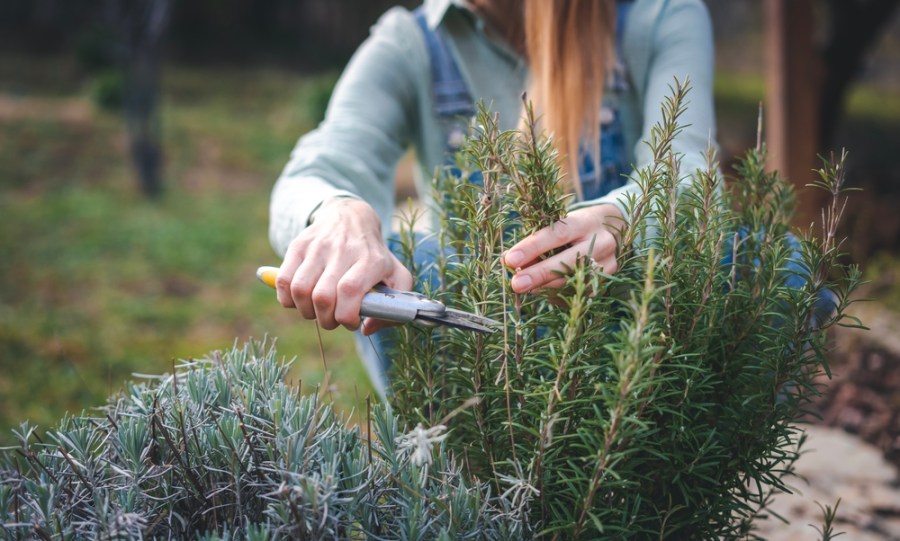
Millions of us garden. Millions of us also take supplements. So wouldn’t it be great if you could grow an endless supply of medicine from your own backyard? With a few tips on which herbs, flowers and plants can help, here’s how you can turn your garden into a pharmaceutical oasis
Words: Amy Dowrick | Images: Shutterstock
Wellness diets can be overwhelming. Supplements subscriptions are often on the expensive side; there’s rarely a one-pill-fits-all and new wellness combos are being developed every single day – so it’s hard to resist the temptation to add the latest one to your medicine cabinet.
But instead of drowning in a sea of capsules and powders, why not keep it simple – and start growing you own?
Over 80% of the world’s population rely on traditional herbal medicines for healthcare, and many modern medicines are derived from plant extracts or contain high levels of plant compounds. But growing your own herbs, plants and fruits can allow you to reap these same benefits without overcomplicating it – keeping it more natural (and cheaper) in the process.
Here are some specific plants you might want to get into the soil for ahead of cold and flu season.
5 herbs that benefit your health
Coriander
Often cooked in curries and paired with seafood, coriander is a fragrant, antioxidant-rich herb that has many health benefits.
Proven to help lower blood sugar, fight infections, and promote heart, brain, and skin health, the herb is also used to help stimulate the appetite and aid digestion.
Dill
Dill leaves are packed with nutrients, and are a popular remedy for an upset stomach, hiccups or sleep problems.
A powerhouse herb, dill is rich in vitamins A and C, contains high amounts of iron, calcium, manganese, potassium, and magnesium, as well as flavonoids, terpenoids, and tannins (which have been especially popular in wellness trends recently).
Sage
Perfect to grow ahead of roast dinner season (homemade stuffing at the ready), sage is often used as a hot infusion for sore throats and colds.
But alongside its natural antiseptic properties, new research now shows that the herb can even support short-term memory retention, mental clarity and focus, and may also help people with mild-to-moderate Alzheimer’s disease.
Ginseng
Ginseng is one of the most expensive and top selling herbs in the world for its fatigue-fighting properties – and it’s no surprise.
Asian Ginseng is recognised for its stimulating properties, used to boost energy and enhance focus. American Ginseng can support memory and improve stress, while Korean Ginseng has been proven to support sexual health. It’s the ultimate all-rounder – keep an eye out for it in infusions, teas and cold drinks.
Cilantro
Cilantro leaves (or parsley for Brits) is a popular herb in cooking – but it has historically been used as a traditional treatment for a number of reasons.
Known to boost brain health and support anxiety, the herb also has a high antioxidant content, packed with flavonoids, carotenoids, and polyphenols (like lutein and beta-carotene) that lower free radical damage and reduce cell-level inflammation.
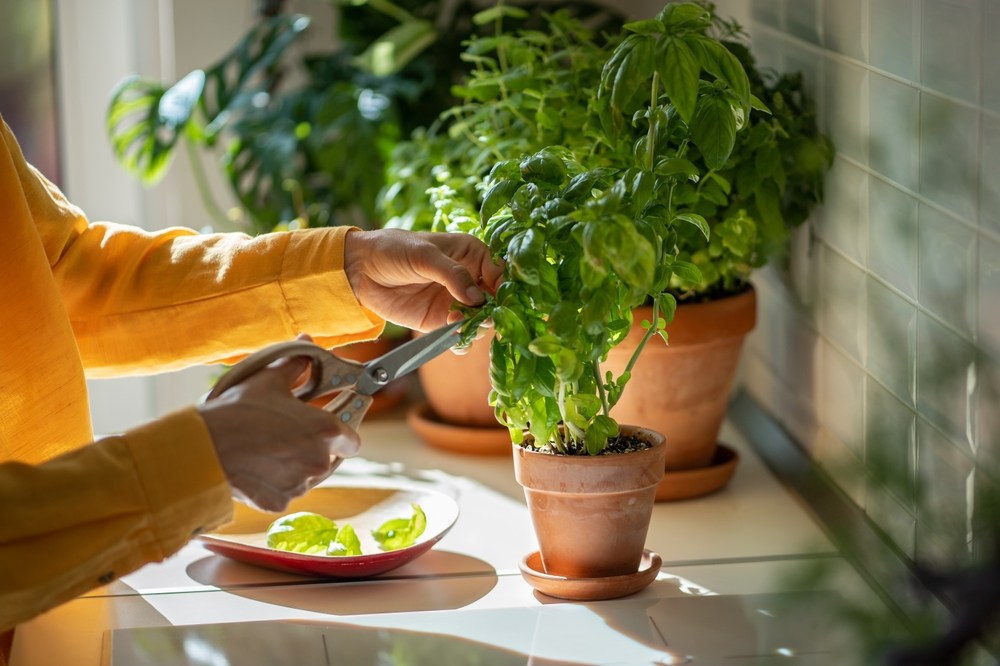
5 flowers that benefit your health
Chamomile
If you’re an avid tea drinker, you might already have chamomile in your regular nighttime routine – but the plant can do a whole lot more than help you catch up on your z’s.
While it’s most known to provide natural support for sleep, chamomile tea is also believed to improve appetite and digestive health – and chamomile oil is often used to treat skin inflammation.
Popular in aromatherapy, the plant can also help calm the nervous system, soothing anxiety and stress while acting as a mild sedative (hence the sleepy tea).
Echinacea
Popularly used in traditional herbal medicine by Native Americans for centuries, Echinacea has become one of the most extensively used herbal remedies in the world – often used to help overcome infections.
Also known as the purple, or prairie, coneflower, the plant has strong immune supporting properties and is often taken to relieve the symptoms of cold or flu, with studies showing it to have a positive effect on the immune system.
Feverfew
If you’re a sufferer of migraines, feverfew leaves are an absolute must in your herbal garden.
Regular daily use of feverfew has been proven to help decrease the frequency and intensity of migraine attacks by relaxing blood vessels and blocking the release of serotonin and prostaglandins – though it is worth noting that the plant works as a preventative measure, not an immediate pain reliever during an active attack.
Lavender
If you feel a wave of relaxation after a whiff of lavender, there’s good reason.
While the flower does have antiseptic and soothing properties, the aromatherapy of lavender on relaxation and sleep through active compounds like linalool and linalyl acetate is what it’s most known for, helping calm the central nervous system, reduce anxiety, and lower stress.
But the plant is also good for burns, stings and cuts because of its natural antibacterial and anti-inflammatory properties.
Marigold
The petals of a marigold flower are often used as an edible arrangement to brighten up a plate of food – but the plant also has immense antiseptic properties.
Whether you choose to plant the Calendula or standard garden marigolds, the flower can help speed up skin cell regeneration, collagen production, and tissue repair while relieving irritations such as eczema, psoriasis, and rashes when applied as a balm or oil.
Rich in lutein and zeaxanthin, the plant can also help filter blue light and protect macular health in the retina – perfect if you work from home.