

Do zero-calorie colas really contribute to belly fat, and can they affect your appetite, disrupt your sleep or even make you feel anxious? We speak to a sleep coach, dietitian and doctor to uncover what happens to your body when you drink it regularly.
As someone who drinks zero-calorie cola all the time, I know I’m not alone. It’s not just a young person’s drink; it appeals to adults, too, who want to enjoy something sweet and fizzy without the extra calories.
But does choosing a zero-sugar alternative automatically make it a healthier option than regular cola?
There are plenty of questions surrounding artificial sweeteners, weight gain, belly fat and caffeine, particularly when it comes to how diet drinks affect us over time. From whether drinking zero-calorie cola can cause you to gain belly fat to whether it can interfere with your sleep, I asked dietitian Sam Seigel, sleep coach Leah Ann Bolen and Dr Ayesha Bryant to explain what you need to know.
Does zero-calorie cola cause belly fat?
There are genuine reasons why people may associate it with belly fat. The main one, in my case in particular, is the assumption that because it contains artificial sweeteners, it makes you crave sugar – potentially encouraging you to eat more.
And then there is the fact that people can often confuse bloating with belly fat. Because zero calorie colas are carbonated drinks, they can temporarily make some people feel bloated. That is not the same as accumulating abdominal fat.
The good news is that there is no convincing evidence that either drink directly causes belly fat.
According to dietitian Sam Seigel, there is currently no convincing evidence that zero-calorie colas directly causes belly fat.
“Since the drink contains no calories or sugar, it doesn’t contribute calories in the same way that regular, sugar-sweetened soda does,” she explains. “Some long-term observational studies have found an association between diet drink consumption and greater abdominal fat, but it’s important to distinguish association from causation.”
Dr Ayesha Bryant also highlights research suggesting a possible association between diet beverages and visceral fat, but stresses that this doesn’t establish cause and effect.
“Observational studies provide insufficient evidence for a causal relationship. A 25-year study from the CARDIA study found diet beverages and some sweeteners were associated with more visceral fat, but overall diet and reverse causation may play a role,” she says.
Can drinking zero-calorie colas regularly contribute to weight gain?
The short answer is that it’s unlikely to cause weight gain on its own. In fact, switching from a sugary drink to a zero-calorie alternative can be a useful way to reduce calorie consumption.
Sam explains: “Research suggests that replacing sugar-sweetened beverages with low- or no-calorie alternatives can lead to modest improvements in body weight and body fat. A 2022 systematic review and meta-analysis found that substituting low- or no-calorie beverages for sugary drinks was associated with modest weight-management benefits.”
An example case study
Sam shares an example from her own practice of a client who swapped drinking zero-calorie colas:
“I actually had a patient who made the switch from regular to zero-calorie colas after drinking approximately six cans of regular cola every day. By making that one change, she eliminated 900 calories from her daily intake without having to give up her favourite beverage. We subsequently saw a reduction in her weight.”
However, Sam says the wider picture is more complicated.
“People who regularly consume diet drinks sometimes have higher rates of weight gain over time, but this doesn’t necessarily mean the drinks are responsible. Those already trying to manage their weight may be more likely to choose diet beverages in the first place.”
If zero-calorie colas contain no calories, how can they affect your waistline?
Researchers have explored several possible explanations, although none has been definitively established as a cause of weight gain in humans.
Sam highlights three theories:
Compensatory eating: Some people may feel they’ve made a healthier choice by drinking a diet soda and subsequently feel justified in eating more elsewhere. This is sometimes called the health halo effect.
Sweet taste without calories: Researchers have explored whether sweet-tasting drinks without accompanying calories could influence appetite regulation or the body’s response to sweetness. However, evidence that this leads to increased food intake or weight gain is inconsistent.
The gut microbiome: Some research suggests certain artificial sweeteners may influence gut bacteria and glucose regulation. A 2022 study found individual responses varied depending on the sweetener. Aspartame, one of the sweeteners used in Pepsi Max, affected glucose responses in some participants, but this doesn’t establish that it causes weight gain or abdominal fat.
“Ultimately, we need more long-term human research before drawing firm conclusions about these potential mechanisms,” says Sam.
Can artificial sweeteners increase sugar cravings?
People tend to presume that artificial sweeteners can increase sugar cravings because they provide the sweet taste without the calories or sugar that would normally accompany it.
However, Sam points out that the research is mixed, and individual responses are likely to vary.
“Some short-term studies have found that people report greater hunger after consuming artificially sweetened beverages compared with sugar-sweetened beverages,” she explains. “However, this doesn’t consistently translate into eating more calories over the course of the day.”
She adds that research into how non-nutritive sweeteners affect the brain’s reward pathways is still limited.
“I wouldn’t automatically assume that drinking zero-calorie colas will increase someone’s sugar cravings or appetite. For some people, it can be a helpful way to satisfy a craving for something sweet without consuming additional sugar or calories.”
Do zero-calorie colas affect your sleep?

I was keen to ask this question, mainly because I tend to drink a can with my evening meal. I’ve often wondered if it could contribute to finding it difficult to sleep at night, even when I am exhausted.
This is where its caffeine content becomes important. Although zero-calorie colas have no sugar, they do contain caffeine, which can act as a stimulant and interfere with sleep.
Sleep coach Leah Ann Bolen says: “The caffeine in drinks like Pepsi Max and Diet Coke can absolutely affect our sleep, including for women in the 50-plus age group.” That’s me!
“This is because caffeine works by blocking adenosine receptors in the brain. Adenosine gradually builds up throughout the day and helps create the feeling of sleepiness. By blocking its effects, caffeine can make you feel more alert while making it harder to fall asleep later,” she says.
Leah explains that caffeine has a half-life of roughly five hours in healthy adults, although this varies between individuals.
“That means that when you have caffeine in the afternoon, a meaningful amount may still be circulating in your system come night-time. This isn’t doing your sleep any favours.”
Research has found that caffeine can reduce total sleep time and sleep efficiency, delay falling asleep and increase the time spent awake during the night.
However, the amount consumed matters. Leah highlights a randomised study which found that 100mg of caffeine did not significantly affect sleep when consumed four hours before bedtime. A much larger 400mg dose, however, disrupted sleep even when consumed 12 hours before bed.
Can drinking zero-calorie colas in the afternoon cause night-time waking?
Potentially, yes. Caffeine can affect several aspects of sleep, including how long it takes you to fall asleep, night-time awakenings and the amount of deep sleep you get.
Sam recommends paying attention to your caffeine sensitivity and considering an early-afternoon cut-off, particularly if you’re struggling to fall or stay asleep.
Leah agrees that there isn’t one universal cut-off time for everyone.
“I encourage people to consider the amount they’re consuming across the day, the timing, their own sensitivity, and what’s happening with their sleep.”
Her advice is to move your last caffeinated drink earlier and switch to caffeine-free beverages in the afternoon and evening.
“That afternoon brain fog is going to be better supported with something that hydrates versus caffeinates.”
Could it make you feel anxious?
It can make some people feel jittery and on edge because of its caffeine content. This may be particularly noticeable in people who are sensitive to caffeine or already prone to anxiety.
“Caffeine stimulates the central nervous system and can increase feelings of alertness, but at higher doses it can also contribute to jitteriness, restlessness, a racing heart and feelings of anxiety,” explains Sam.
Dr Bryant also highlights a possible relationship between caffeine and menopause.
“Caffeine intake has also been associated with more bothersome hot flushes and night sweats in menopausal women, although a causal relationship has not been established,” she explains.
What does drinking zero-calorie cola actually do to your body?

For most healthy adults, moderate consumption is unlikely to cause significant harm, but there are a few things worth understanding. Sam highlights four areas:
Caffeine: Acts as a mild stimulant, increasing alertness and potentially causing temporary increases in blood pressure, particularly in people who don’t regularly consume it. Too much can interfere with sleep.
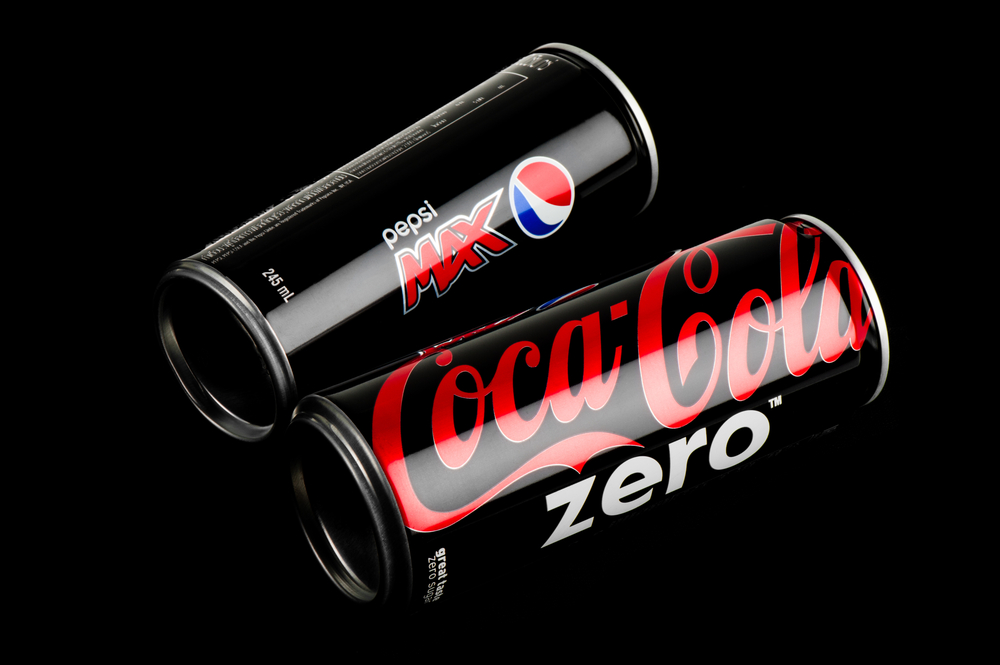
Artificial sweeteners: Pepsi Max, for example, uses non-nutritive sweeteners, including aspartame and acesulfame K in some formulations. These provide sweetness without meaningful calories or sugar. Research into their longer-term effects on the gut microbiome and metabolic health is ongoing.
Dental health: Like other colas, zero-calorie colas are acidic. Even without sugar, frequent exposure to acidic drinks can contribute to dental enamel erosion.
Caffeine withdrawal: People who regularly consume zero-calorie colas and suddenly stop may experience headaches, fatigue and difficulty concentrating for a few days.
Key takeaways
• Zero-calorie cola contains no sugar and virtually no calories, so switching from full-sugar cola can help reduce calorie intake.
• There is no convincing evidence that it directly causes belly fat.
• Its caffeine content can interfere with sleep, particularly if consumed later in the day.
• Research into artificial sweeteners and appetite is mixed.
• Water and unsweetened drinks remain good everyday choices.