

Creatine may be having its moment, but another supplement is starting to attract attention from women in midlife. Citrulline could support blood flow, exercise performance and muscle function – although experts say the research is still catching up.
Pics: Getty Images
Creatine may be dominating conversations around women’s fitness, particularly for its potential benefits for muscle, strength and cognitive health, but another supplement is starting to gain momentum.
Citrulline is still relatively unfamiliar to many people, yet some experts believe it could become increasingly popular, particularly among women in midlife and beyond.
Its main appeal is its potential to increase nitric oxide production, which supports blood flow. This could have implications for exercise performance, muscle recovery and cardiovascular health.
However, as with many emerging supplements, the research is still developing.
What exactly is citrulline?
Citrulline is a non-essential amino acid – essentially, one of the building blocks the body uses to make proteins.
The body converts citrulline into L-arginine, which can then be used to produce nitric oxide.
Nitric oxide plays an important role in widening blood vessels and supporting blood flow, which is why citrulline is often found in sports and fitness supplements designed to support exercise performance.
So, what are the experts saying about it?
According to speech-language pathologist Michelle Retsky, founder of Words in Motion Therapy, she is so confident about citrulline that she believes it is poised to be “the next big breakthrough for women”.
The reason, she says, is its relationship with nitric oxide.
“Citrulline has a great effect on nitric oxide,” she explains, pointing out that low nitric oxide can be associated with symptoms including high blood pressure, fatigue, brain fog, cold hands and feet and slow muscle recovery.
“As women move into peri and postmenopause, there is a natural decline in nitric oxide production. Citrulline directly boosts nitric oxide levels by helping restore vascular elasticity and healthy blood flow.”
Retsky believes enhanced vascular flow could also help with physical fatigue and brain fog associated with hormonal changes.
“As for the body – citrulline helps to optimise oxygen and nutrient delivery to muscles, which means better endurance during workouts and significantly less muscle soreness.”
However, these potential benefits need to be considered alongside the current evidence, which remains relatively limited.
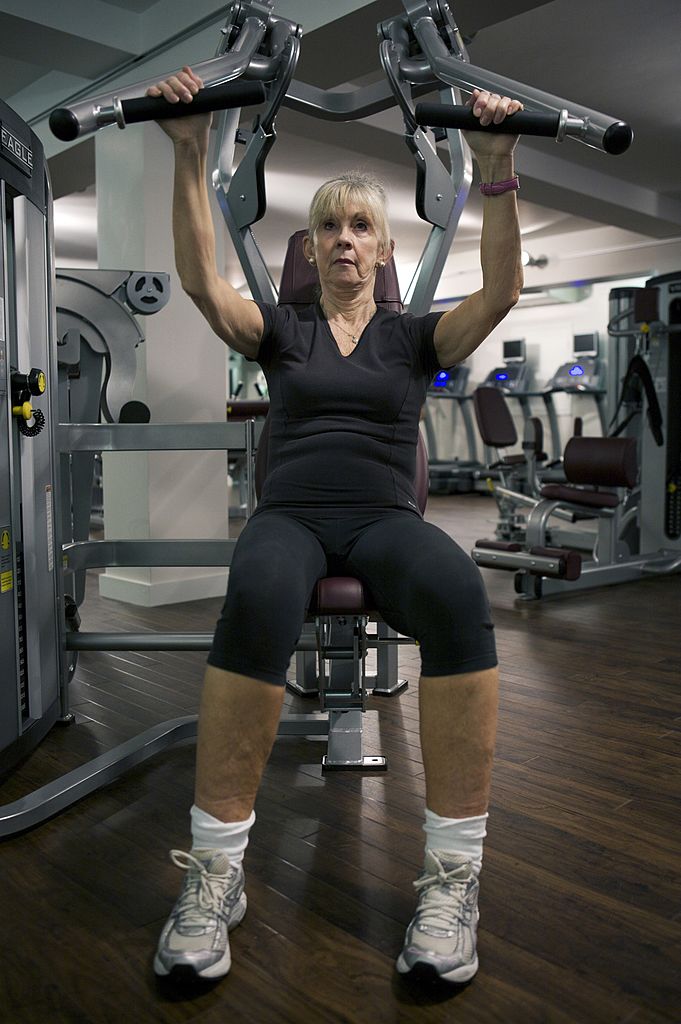
How does citrulline compare with creatine?
If creatine is already part of your supplement routine, you may be wondering whether citrulline could eventually become just as popular.
Dietitian Johannah Latz, of Kaffico, says citrulline is certainly worth watching but advises approaching the claims with some caution.
“Citrulline is definitely one of the more interesting supplements to watch for women, particularly as they get older, but I wouldn’t put it in the same evidence category as creatine just yet,” she explains.
As an amino acid that helps increase nitric oxide production, citrulline is potentially interesting for both exercise performance and cardiovascular health.
This could be particularly relevant for women after menopause, when cardiovascular risk and changes in muscle mass become increasingly important health considerations.
Could citrulline help with strength and muscle?
The evidence is promising, but experts stress that more research is needed.
Latz points to a randomised trial involving 10g of citrulline per day alongside low-intensity resistance training. The study found improvements in vascular function and was associated with greater gains in leg lean mass and strength among hypertensive postmenopausal women compared with a placebo and training.
She also refers to a 2026 pilot trial involving physically active women aged 60–75, which found improvements in sit-to-stand performance with the dietary supplement citrulline malate.
However, the study was small and its authors considered the findings preliminary. You can read the study on PubMed.
So, could citrulline eventually become as popular as creatine?
“Possibly, but I don’t think it has earned that status yet,” Latz says.
“Creatine has a much larger evidence base for muscle mass and strength, including research specifically in postmenopausal women.”
She adds that citrulline could eventually prove particularly useful for women because it sits “at the intersection of circulation and muscle function”.
“But we still need larger and longer studies before calling it a must-have supplement.”
Could it support heart health after menopause?
Citrulline isn’t only being investigated in relation to exercise.
The amino acid is naturally found in foods such as watermelon, and research is also exploring its potential cardiovascular benefits.
Dietitian Avery Zenker, of MyCrohnsAndColitisTeam, explains that research into citrulline suggests possible benefits for cardiovascular health, muscle mass, strength and physical performance.
“Citrulline may address some of the most prominent health concerns for older women, including sarcopenia, high blood pressure, and cardiovascular disease,” he says.
“After menopause, blood vessels tend to get stiffer, hypertension risk increases, and muscle can be harder to maintain.”
According to Zenker, citrulline seems to be most powerful when combined with regular exercise, particularly strength training and higher-intensity exercise.
He adds that several studies have found favourable effects of citrulline on cardiovascular health in postmenopausal women, with the benefits appearing to be greater in people with pre-existing conditions such as hypertension, coronary disease or heart failure than in healthy individuals.
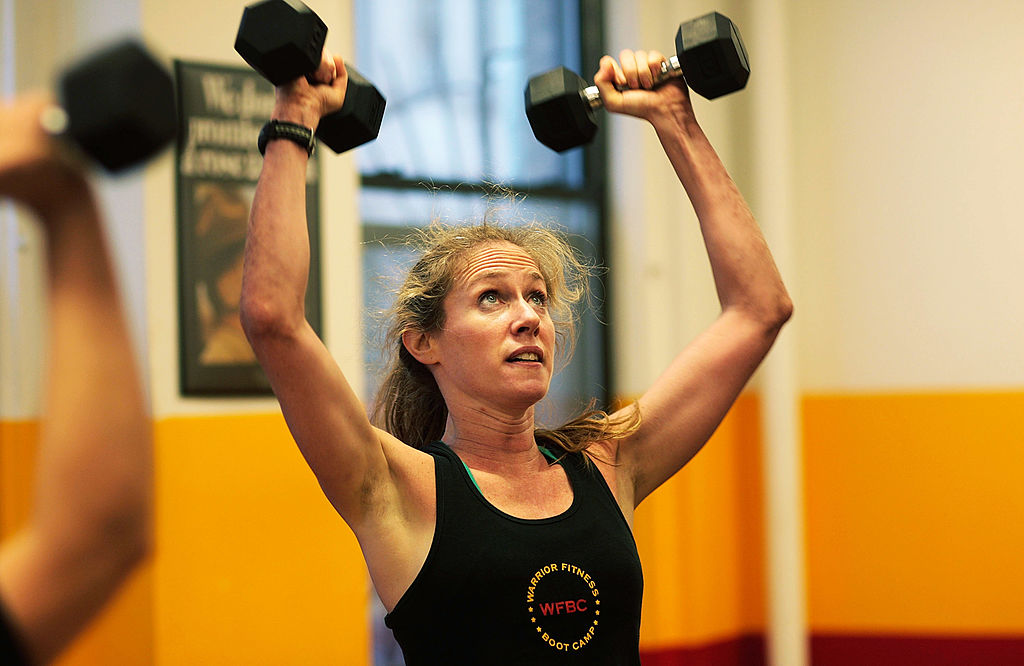
Why strength training still matters
Even if citrulline does prove to have benefits for muscle and cardiovascular health, experts stress that it should not replace the basics.
Strength training is particularly important during midlife because it can help preserve muscle mass and support bone health.
After menopause, bone loss can accelerate, increasing the risk of osteopenia, osteoporosis and fractures.
“Strength training stimulates bone growth and increases bone density, thereby reducing the risk of osteoporosis,” Zenker explains.
“Stronger muscles also provide better support for joints and bones, helping to prevent injuries. It’s not just muscle mass itself that’s good for bones, but also what we do in order to build muscle. Weight-bearing exercise is good for the bones independent from muscle.”
Strength training can therefore play an important role in helping women maintain muscle and bone as they age.
Is citrulline safe?
According to Zenker, citrulline appears to be well tolerated, with minimal reports of side effects.
But that does not mean everyone should automatically start taking it.
“There is a significantly higher amount of supporting research for creatine than for citrulline,” he says.
“Creatine has become more widely indicated in clinical practice guidelines, while citrulline hasn’t reached this level yet.”
The studies carried out so far are often small and short, doses vary, and there are no larger, long-term trials confirming lasting benefits.
“More research is needed on citrulline to draw stronger conclusions to guide confident recommendations,” Zenker says.
“Overall, citrulline appears to be a low-risk supplement that could plausibly support heart and muscle health in older women, particularly when used in combination with regular exercise and healthy lifestyle.”
How much citrulline should you take?
If you are thinking about taking citrulline, dosage and timing are important considerations.
According to Retsky, owner of Words in Motion Therapy, the dosage is similar to creatine.
“For timing and dosage, taking 3 to 6 grams of pure citrulline (or 6 to 8 grams of citrulline malate) roughly 45 minutes before exercise maximises nitric oxide elevation right as blood flow demands are peaking,” she advises.
“For daily cardiovascular support, energy, and blood pressure regulation, taking a consistent 3 to 6 grams every morning with breakfast yields the best results over time, as its vascular benefits build continuously rather than functioning as a short-term spike.”
However, there is no universally established dose for every potential use, and supplements can interact with medications or be unsuitable for people with certain medical conditions.
If you are considering taking citrulline regularly, particularly if you have cardiovascular problems or take medication for blood pressure, speak to your GP, pharmacist or dietitian first.
For now, the message from the experts is clear: citrulline is an intriguing supplement to have on your radar, but it isn’t ready to knock creatine off its perch just yet.