
From taking creatine every day to walking for 10 minutes after meals, our experts reveal which popular trends are worth trying – and which come with important caveats
Pics: Getty Images
If social media’s fitness and wellness hacks are to be believed, better health is always just one supplement, workout or morning ritual away. TikTok and Instagram are flooded with fitness and wellness ‘hacks’ promising rapid weight loss, increased energy and a complete body transformation.
Many of these trends deserve to be taken with a generous pinch of salt. Some encourage extreme behaviour, promote unrealistic goals or are created primarily to attract clicks rather than deliver lasting results.
However, not every viral fitness and wellness hack is nonsense. Some are simply sensible, well-established habits packaged under a trendier name.
To separate the genuinely useful advice from the fads, we asked Dr Akanni Salako, founder of The Wellness Lab, and Nicole Greco-Peepas, personal trainer and founder of NGP Bro, which viral fitness and wellness hacks are actually worth the hype.
1. Walk for 10 minutes after eating
Both experts agree that taking a short walk after a meal is one of the easiest habits to adopt.
“This absolutely deserves the hype,” says Dr Salako. “A short walk after eating encourages your muscles to use glucose from the bloodstream, helping to reduce post-meal blood-sugar spikes and support better insulin sensitivity. It’s one of the simplest habits I recommend because almost anyone can implement it immediately.”
Greco-Peepas adds that it is an easy way to increase your movement without scheduling another formal workout – and it still contributes towards your weekly activity.
2. Aim for more daily steps
The idea that everyone must complete exactly 10,000 steps a day is misleading, but increasing the amount you walk can still make a meaningful difference.
“Ten thousand steps isn’t a magic number, but the amount of movement adds up,” says Dr Salako. “Depending on body weight, walking speed and terrain, 10,000 steps – roughly four to five miles for many people – may burn around 300 to 500 calories.”
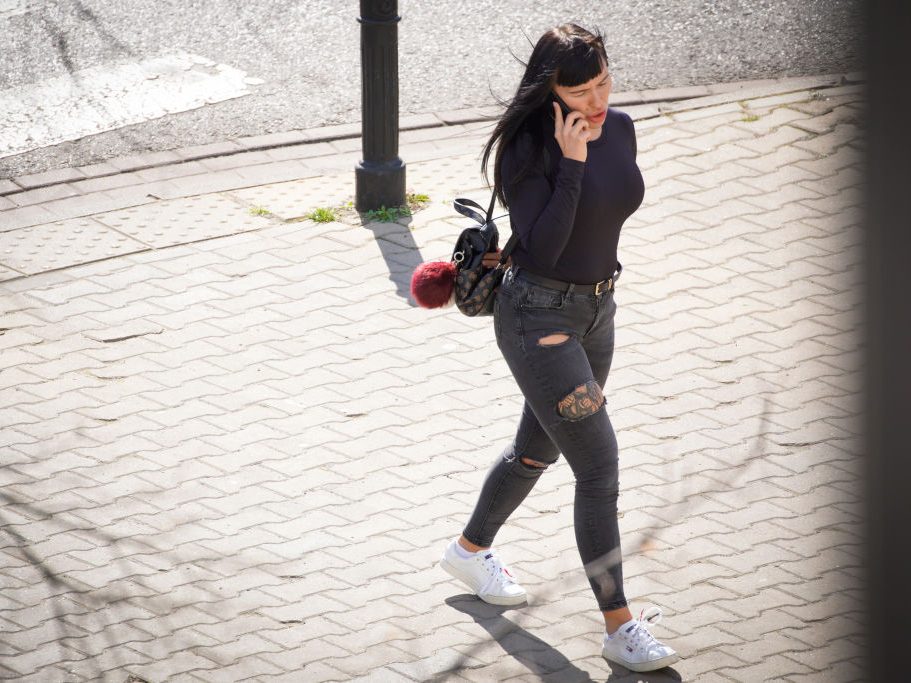
Greco-Peepas recommends looking for simple opportunities to move, such as walking while talking on the phone. This everyday activity is known as non-exercise activity thermogenesis, or NEAT, and includes all the movements you do outside formal exercise.
3. Eat at least 25g of fibre a day
Fibre may not be the most glamorous wellness trend, but it can make meals more satisfying while supporting digestive health.
“This is one of my favourites,” says Dr Salako. “Fibre helps keep you fuller, supports healthy digestion and gut bacteria, and can help with blood-sugar and cholesterol control.”
For women trying to lose weight, eating enough fibre may also make it easier to maintain a calorie deficit because meals feel more filling.
4. Include protein at every meal
High-protein foods are constantly promoted online, but the basic advice has merit – particularly for people who exercise regularly or want to preserve muscle as they age.
Dr Salako recommends aiming for around 25 to 30g of protein at breakfast. Starting the day with protein can help with fullness and make it easier to meet your overall needs.
“Protein supports muscle repair, recovery and maintenance,” adds Greco-Peepas. “For exercising adults, research supports roughly 1.4 to 2g per kilogram of body weight per day.”
Individual requirementsIndividual requirements vary, however, and eating more protein than your body needs will not automatically produce better results.
5. Lift heavier weights – gradually
Strength training becomes increasingly important as we age, helping to maintain muscle, physical function and strength.
“Progressive resistance training is one of the most valuable ‘hacks’ for maintaining strength and muscle, especially as we age,” says Greco-Peepas. “Adults should strength-train at least twice weekly.”
The word “heavier” is relative. The aim is to gradually increase the challenge as you become stronger while continuing to use good technique – not to pick up the heaviest weight in the gym on your first visit.
6. Master basic movements before flashy exercises
Complicated exercises may look impressive in a short video, but they are not necessarily more effective.
Greco-Peepas recommends concentrating on six fundamental movement patterns: squatting, hinging, pushing, pulling, carrying and core work.
“Get stronger at the fundamentals before worrying about what’s trending on TikTok,” she says.
7. Take creatine consistently
Creatine monohydrate is one supplement both experts believe deserves its positive reputation.
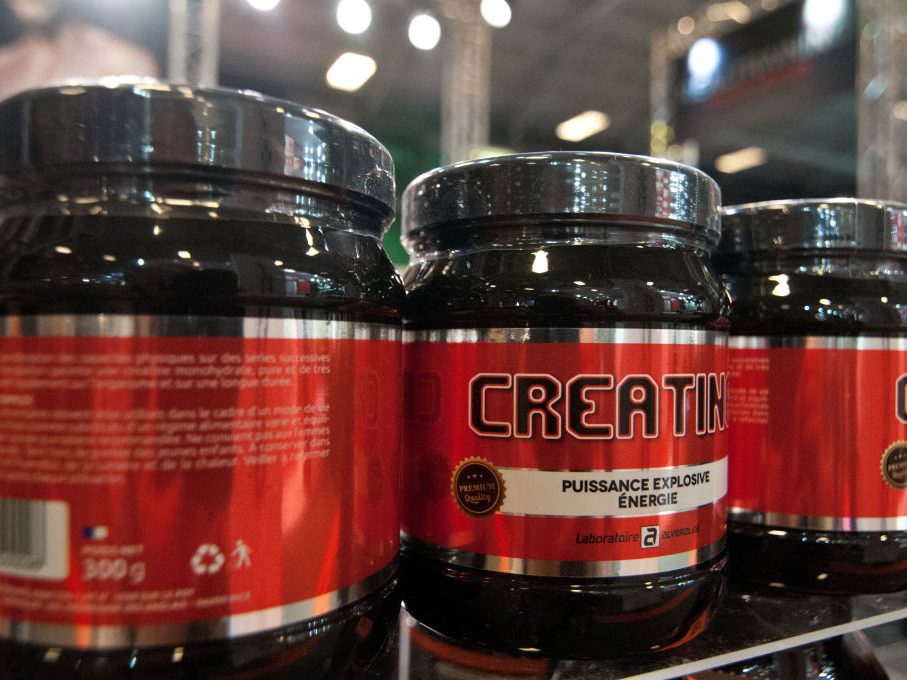
“Creatine absolutely deserves the hype, especially for women who strength-train,” says Dr Salako. “Taking around three to five grams daily can help improve strength and high-intensity exercise performance and, when combined with resistance training, support increases in lean muscle.”
She particularly recommends it to women over 35 because maintaining muscle becomes increasingly important with age.
Greco-Peepas stresses that consistency matters: creatine should be taken regularly, rather than only on workout days.
It is not a fat-burning supplement, Dr Salako cautions. Instead, it may help people train more effectively, supporting a longer-term body-composition strategy.
8. Try the 12-3-30 treadmill workout
The viral 12-3-30 workout involves setting a treadmill to a 12 per cent incline and a speed of three miles per hour, then walking for 30 minutes.
“This is one viral trend I can get behind,” says Dr Salako. “The incline significantly increases the cardiovascular and muscular demand compared with flat walking, while keeping it lower-impact than running. It works your glutes, hamstrings and calves while giving you a challenging cardio workout.”
Beginners do not need to start at the full 12 per cent incline. Dr Salako recommends beginning at a manageable level and building up gradually.
9. Use HIIT strategically
High-intensity interval training, or HIIT, can provide an effective cardiovascular workout in a relatively short time – but more is not always better.
“For most women I coach, I would use HIIT strategically alongside strength training and lower-intensity movement, rather than turning every workout into HIIT,” says Dr Salako.
Greco-Peepas agrees that not every session needs to be cardio-based. A workout can still be effective even if you are not dripping with sweat, and strength training deserves its own place alongside aerobic exercise.
10. Take “exercise snacks” throughout the day
An exercise snack is a short burst of movement performed during the day, rather than anything involving food.
“Five or 10 minutes absolutely counts,” says Dr Salako. “Walking up the stairs, doing a few sets of squats, taking a brisk walk or knocking out some push-ups throughout the day can add meaningful activity.”
This approach can be particularly useful for busy people who cannot always find an uninterrupted hour for a workout.
11. Wear a weighted vest – but start light
Walking in a weighted vest has become a popular way to make an everyday walk more demanding.
“Adding external load makes a normal walk more challenging and can increase the muscular and cardiovascular demand,” explains Dr Salako.
However, heavier is not automatically better. “I always recommend starting light,” she adds. “The goal isn’t to throw on the heaviest vest possible and turn a walk into punishment.”
12. Use supersets when time is tight
Supersets involve completing two exercises one after the other with little or no rest between them. Greco-Peepas recommends them as a time-saving strategy for fitting more quality strength work into a shorter session.
The exercises can target different muscle groups, allowing one area to recover while the other works. This makes supersets useful when you want an efficient workout without spending hours in the gym.
13. Treat recovery as part of your training
Constantly pushing harder can be counterproductive. Your body needs time to recover and adapt to the exercise you have completed.
“Schedule recovery like you schedule workouts,” advises Greco-Peepas. “More isn’t always better. Your body needs recovery to adapt to the training you’re doing.”
Rest days, adequate sleep and a balanced training schedule are not signs that you are losing momentum. They are part of a sustainable routine.
14. Make your workout ridiculously easy to start
One of the most effective hacks has nothing to do with exercise technique. Removing small obstacles can make it much easier to begin.
Lay out your clothes, have your weights ready and decide on your workout in advance. These simple steps reduce the number of decisions you need to make when motivation is low.
“Consistency beats the ‘perfect’ programme you only do occasionally,” says Greco-Peepas.
15. Try apple cider vinegar – with caveats
Dr Salako believes apple cider vinegar may offer modest benefits, but it should not be treated as a weight-loss shortcut.
“One to two tablespoons diluted in water may help slow how quickly food leaves the stomach and can modestly reduce the blood-sugar spike after a meal, which may also help some people feel fuller for longer,” she says.
“I like it as a simple morning routine, but it’s not a fat-burning shortcut, and it should always be diluted rather than taken as a straight shot.”
The best fitness hacks are usually the simplest
The wellness industry thrives on novelty, but the habits most likely to deliver long-term benefits are rarely revolutionary.
Walking more, eating satisfying meals, lifting weights, recovering properly and making exercise convenient may not sound like dramatic social-media secrets – but that is exactly why they are realistic enough to last.