


Magnesium is essential for everything from muscle function and sleep to cardiovascular health, yet many of us aren’t getting enough. With searches for magnesium-rich foods soaring, nutritionists explain why the mineral matters, the signs of inadequate intake and the eight foods worth adding to your shopping basket.
Pics: Getty Images and Shutterstock
The eyelid twitch that won’t stop, restless legs at 11pm, an afternoon slump that no amount of coffee fixes – they might seem like unrelated niggles, but they’re prompting more people to investigate whether they’re getting enough magnesium.
Searches for ‘what foods contain magnesium’ have seen a reported 5,000% breakout on Google Trends, highlighting growing interest in this often-overlooked mineral.
‘Magnesium is second only to vitamin D in terms of deficiency in this part of the world,’ says nutritionist Dale Pinnock.
He points to several potential reasons, including diets lacking in leafy greens and other whole plant foods, the increasing dominance of ultra-processed foods and the demands of modern lifestyles.
Why magnesium becomes increasingly important as we get older
This is where I’d bring in the cardiovascular and nervous system information.
Magnesium is involved in hundreds of biochemical reactions in the body. It contributes to normal muscle and nerve function, energy metabolism, bone health and the regulation of blood pressure.
‘One of the big areas that becomes increasingly important as we get older is cardiovascular health,’ says Pinnock.
He explains that magnesium supports normal blood pressure regulation, vascular function and heart rhythm.
It also plays an important role in the nervous system, making adequate intake important for general health and wellbeing.
Could you be getting too little magnesium?
Bring in Dr Ahmed El Muntasar here to explain symptoms, progressing from mild to severe deficiency.
I’d avoid suggesting that an eyelid twitch, restless legs or tiredness automatically indicate magnesium deficiency. These symptoms can have numerous causes.
You could use a short bullet list:
Early symptoms can include:
- Fatigue and weakness
- Nausea and reduced appetite
- Muscle cramps
- Tremors and tingling
- Abnormal muscle contractions
More severe deficiency can cause serious complications, including abnormal heart rhythms and seizures.
Why modern diets could be leaving us short
This is a good place to combine Pinnock’s comments about leafy greens, ultra-processed foods and farming.
I’d make the point that eating fewer wholegrains, nuts, seeds and vegetables can reduce dietary magnesium intake.
I’d also avoid presenting soil depletion or stress as established major causes of widespread deficiency. Pinnock himself makes a useful distinction between the potential impact of stress and the importance of overall dietary quality.
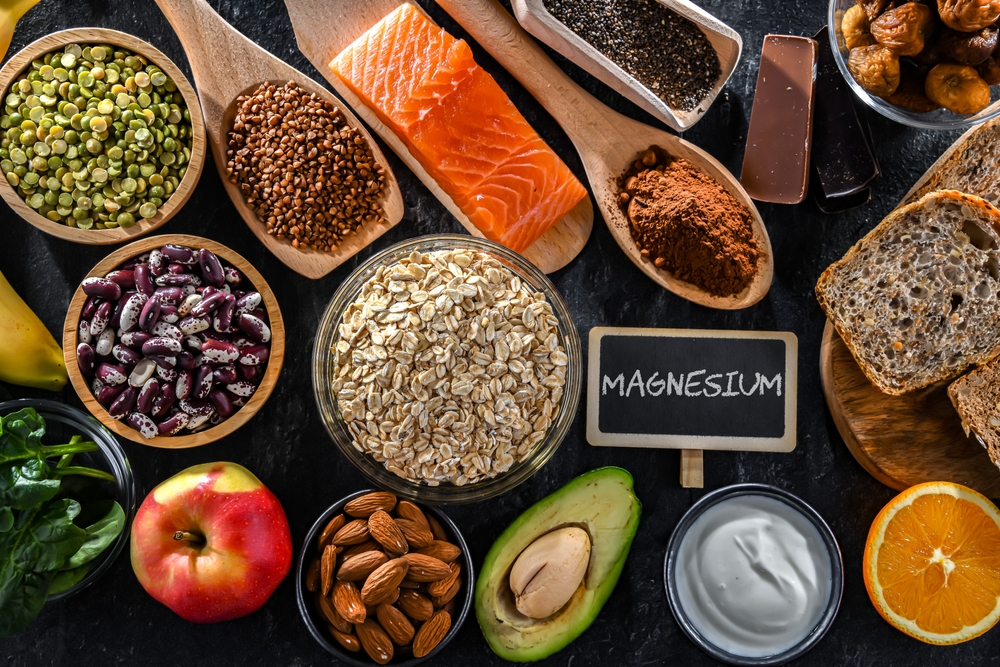
The 8 best natural sources of magnesium
Consider presenting these as individual mini-sections for readability.
- Pumpkin seeds – One of the richest dietary sources of magnesium. Sprinkle over porridge, salads or yoghurt.
- Almonds and cashews – Convenient sources of magnesium, healthy fats and protein.
- Spinach and leafy greens – Magnesium is central to chlorophyll, making dark green vegetables useful sources.
- Beans, lentils and chickpeas – Provide magnesium alongside fibre and plant-based protein.
- Wholegrains – Oats, quinoa and wholemeal bread contribute magnesium and other nutrients.
- Dark chocolate – Choose higher-cocoa varieties for a magnesium boost, while keeping portions in mind.
- Avocados – Offer magnesium alongside fibre and heart-friendly unsaturated fats.
- Tofu and soya products – Particularly useful sources for people following plant-based diets.
Should you take a magnesium supplement?
This is where I’d introduce the Elle Sera product, but I’d keep the editorial and commercial information clearly separated.
The form of magnesium matters when choosing a supplement. Magnesium oxide, for example, is less well absorbed than some other forms and can cause gastrointestinal side effects.
Magnesium bisglycinate is often chosen for its tolerability, although claims about 80–90% absorption and specific sleep benefits need robust supporting evidence.
Then introduce the product:
Product spotlight: Elle Sera Liposomal Magnesium Bisglycinate + P5P (RRP from £28)
Explain the formulation, what bisglycinate is and what the brand claims its liposomal delivery system does. I’d avoid presenting the product as proven to improve sleep or as superior without independent evidence.
How much magnesium do you actually need?
I’d add this section because it gives the reader genuinely useful take-home information.
For UK adults, the recommended daily intake is approximately:
- Women: 270mg
- Men: 300mg
Most people should aim to meet their requirements through a varied, balanced diet.