

From staying active and protecting muscle to getting better sleep, eating well and maintaining social connections, experts reveal the everyday habits that could help you stay healthier and more independent as you age
Pics: Getty Images
From the way we sleep and move to how we eat, socialise and manage stress, the small choices we make every day can quietly shape how well we age. It’s not simply about adding more years to your life; it’s about making those years healthier, happier and full of vitality. Experts reveal the best ways to act now.
Keep moving
‘Exercise and movement improve not just lifespan, but health span, the number of years we are healthy and have a good quality of life,’ says Nicola Hunt, a Chartered Physiotherapist and founder of Brains at Work and Physiocare Rehab Ltd.
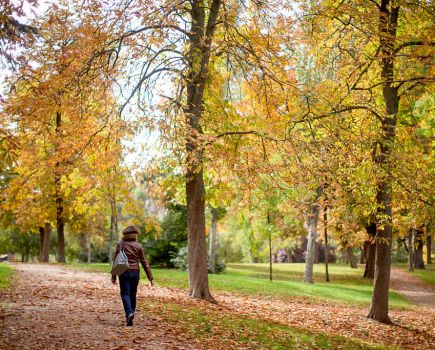
‘It’s well known that we should be doing 150 minutes of moderate exercise a week, and two strength training sessions. But for improving longevity, there is more to it. Yes, that’s the ideal, but even adding an extra hour of walking per week can significantly reduce mortality risk.
‘Independent of formal exercise, not being sedentary is important. Those desk-based exercises and walks to the coffee machine really do count. Avoid prolonged inactivity – sitting without getting up and moving is an independent risk factor for increased blood sugar, increased blood pressure, and obesity.
‘Standing desks and walking meetings or walking while you are on the phone all add up. Getting up for a few minutes every hour helps us to be healthy for longer.’
‘Protect muscle as you age,’ says food scientist, Adrian Massey. ‘Maintaining muscle becomes increasingly important with age, so adequate protein intake, alongside physical activity, should be a basic priority rather than something people only think about if they go to the gym.’
Physiotherapist, Eloise Skinner, said being active might be one of the strongest factors in promoting longevity. ‘Many studies have indicated that physical activity levels can have supportive effects for things like heart health, mobility, stroke, and diabetes.
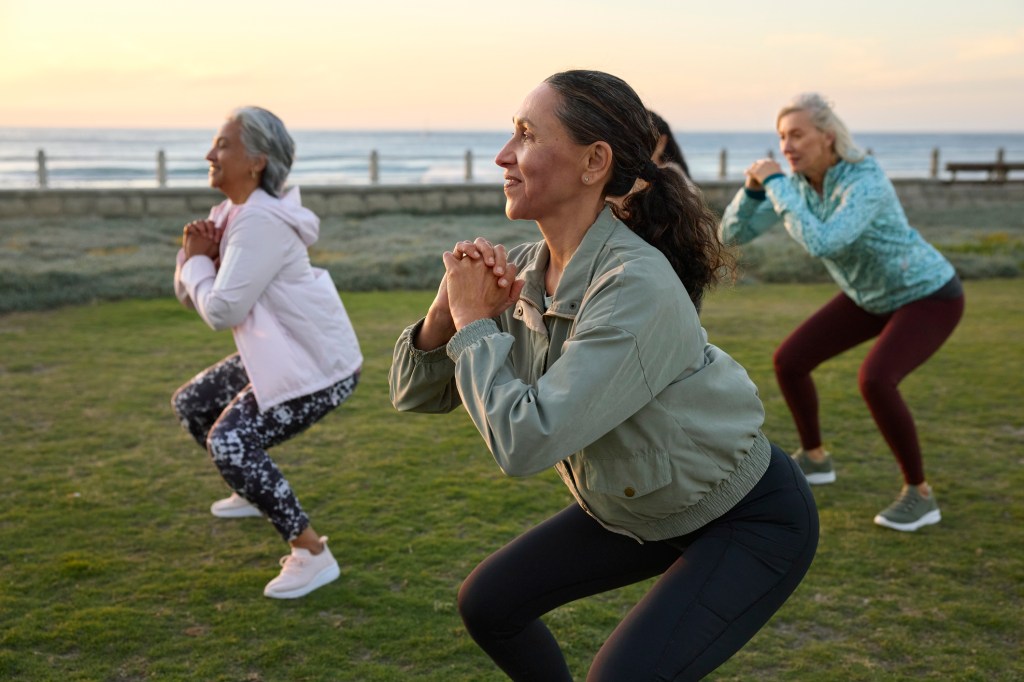
‘A mix of strength training, cardio, core work, mobility, flexibility and balance-focused activity should have a protective effect as we get older – including for risks like falling or joint injuries, which can significantly impact someone’s quality of life and overall longevity.
And avoiding injury is vital for longevity. ‘Injuries that we might have bounced back from in our 20s become more significant as we get older. We need to take additional care and precautions over time. This could involve training things like spatial awareness, core stability, balance and proprioception. Take time to make sure alignment and form are correct on each exercise.’
Chemicals, toxins and alcohol
Janey Lee Grace, author of Happy Healthy Sober, says that longevity starts with becoming more conscious of what we expose our bodies to.
‘From skincare and cosmetics to laundry detergents and cleaning products, we’re surrounded by chemicals every day. Some are recognised as endocrine disruptors, meaning they can interfere with hormone signalling. I suggest reducing unnecessary exposure and choosing transparent, thoughtfully formulated products.
‘As we age, maintaining the skin’s lipid barrier and hydration becomes increasingly important. The skin’s lipidic film helps retain moisture and protect against environmental stressors. I recommend facial oils because they can help replenish surface lipids, reduce moisture loss and leave the skin feeling softer and more supple.
‘Alcohol is classified as a Group 1 carcinogen by the International Agency for Research on Cancer and is linked to several cancers, liver disease, cardiovascular problems and disrupted sleep.
‘The effects go beyond disease risk. Alcohol can contribute to dehydration, oxidative stress, inflammation and poor sleep, all factors that can affect how we feel and potentially how our bodies age.
‘Longevity isn’t simply about adding years to life; it’s about preserving vitality, confidence and quality of life.’
Good quality sleep
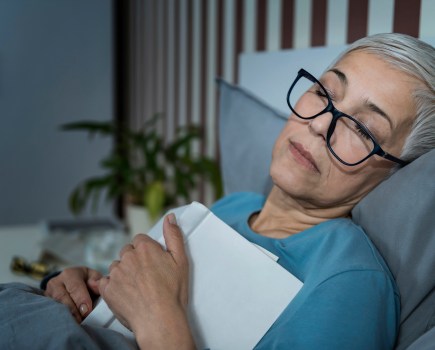
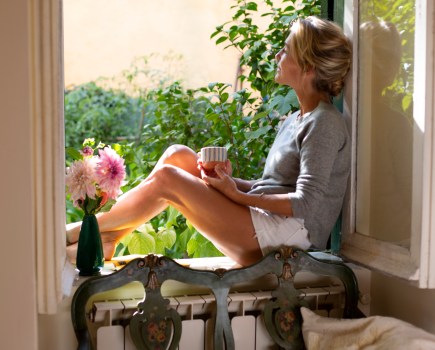
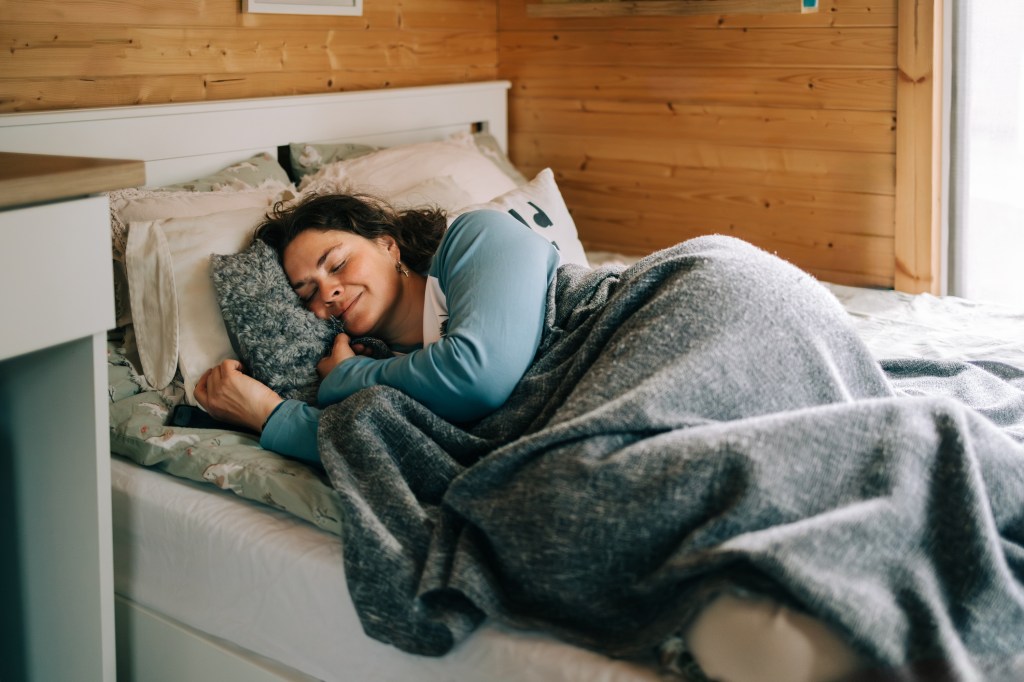
Nicola adds, ‘Key daily habits include going to bed and waking up at consistent times; yes, even at weekends, sleep patterns shouldn’t vary by more than 30 minutes. Once up, get outside into daylight within 30 minutes of waking, or at least have your morning coffee at the window, so daylight resets your body clock.
‘Limiting screens in the run-up to bedtime isn’t just about blue light; it can also create something called sleep procrastination. We lose track of time while doomscrolling and end up going to bed much later than planned.’
Social connection
‘Loneliness really does kill; it is estimated to be linked to over 871,000 deaths annually worldwide (World Health Organisation),’ says Nicola. ‘Social connections reduce inflammation in the body, lower cardiovascular risk, and improve mental health. Group activities, volunteering, community participation, and time with family and friends can add healthy years to life.’
Donna Noble, a wellbeing educator and yoga teacher, adds, ‘Longevity isn’t only physical. Connection and community matter too. We see in many cultures around the world how important community is, particularly as people get older. Staying connected, having a sense of belonging and avoiding social isolation are all part of our wellbeing.’
Eloise agreed, revealing that any exercise done in community groups, or with a group of people you enjoy spending time with, is also going to be great for longevity.
‘Research indicates that community connections are some of the strongest factors in promoting a long and fulfilling lifespan, so consider combining your exercise with a community gathering or group workout, to get the benefits both physically and socially.’
Prevention over cure
Nicola adds, ‘catching illness early. Taking advantage of NHS health screening, using data from wearable tech, understanding it and acting on it, and paying attention to what the scales are telling you are all simple steps to improve longevity.’
Donna says, ‘If you can get yourself up and down from the floor now, what are you doing to help maintain that ability? If you spend a lot of time sitting, are you continuing to move your hips through different ranges of motion so you maintain that mobility? Are you practising balancing on one leg? Are you maintaining the leg strength that helps you get out of a chair, climb stairs and move around independently? Even things like grip strength matter for everyday life.
‘We often don’t think about these abilities until they start becoming more difficult, but we can be investing in them now and future proofing our bodies. It’s not necessarily about doing more or pushing your body harder. It’s about maintaining strength, mobility, balance and function so that hopefully you can continue doing the things you enjoy for as long as possible (gardening, dancing, playing with children or grandchildren) and maintain your independence.
‘Investing in our longevity now can help us navigate ageing better with less pain and a healthier lifestyle.’
You are what you eat
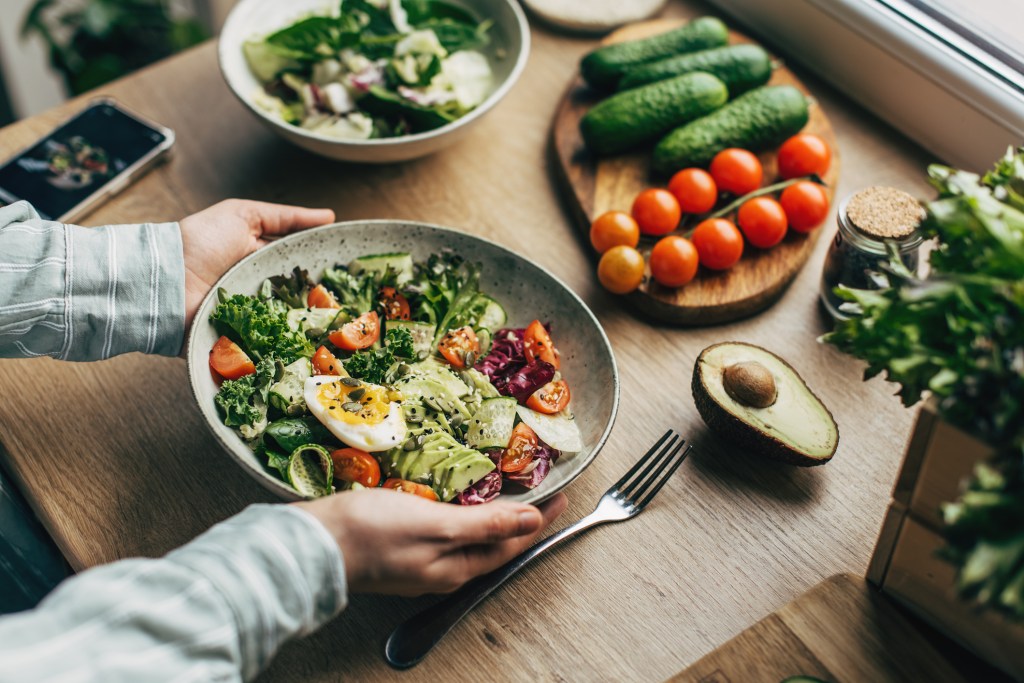
Food scientist, Adrian Massey, adds, ‘Eat for the gut as well as the rest of the body. A varied diet containing vegetables, fruit, whole grains, pulses, nuts and other fibre-rich foods is a much stronger foundation than obsessing over individual superfoods.
‘Don’t let supplements distract from the basics.Supplements can have a useful role where there is a genuine nutritional need, but they cannot compensate for a poor overall diet, inactivity or consistently excessive energy intake.’
Consistency beats perfection
Adrian says, ‘I think people can become unnecessarily distracted by fasting regimes, powders, expensive ingredients and the latest longevity trend. What you eat and do consistently for years is likely to be considerably more important than an occasional optimisation.
‘Perhaps the simplest message is this: there probably isn’t a secret longevity food. The real advantage comes from getting the ordinary things right, repeatedly, for a very long time.’
Clinical psychologist, Dr Marianne Trent, adds final food for thought and something you can actively try at home.
‘Reduce stress with self-awareness on breath holding, or throat only breathing. Drop your shoulders and inhale and exhale using some soothing rhythmic breaths can comfortably get people back in their heathy window of tolerance levels, reduce blood pressure and boost wellbeing.’