
Feeling hungrier, sleeping badly or struggling to find the motivation to get out of bed, let alone train? The darker months could be playing havoc with your body clock. Here are some tips to help you turn it all around
“It’s just an hour,” right? No. Quite the opposite. To our minds and bodies, the clocks going back can feel like so much more. I mean, if you’re anything like me, staying under the duvet feels infinitely more appealing than getting up for an early morning workout during winter. And that’s coming from someone who genuinely thrives on training – and her morning doesn’t start without it.
It’s a shock to the system too. One minute you’re fine, the next the clocks have gone back, the mornings are darker and suddenly you’re feeling hungrier, craving stodgy comfort food and struggling to find your usual motivation. Winter can be so mean.
But while it’s easy to blame the colder weather, carb-heavy comfort food or a lack of motivation, there could be something else going on. And it all comes down to light – and something called our circadian rhythm.
“Light is known to directly boost our mood, alertness and performance,” says Dr Victoria Revell, Associate Professor in Translational Sleep and Circadian Physiology, Surrey Sleep Research Centre. “In the winter months, when the external light environment is less bright and the days are shorter, we are reliant on indoor electric light for the majority of the day, which is dangerous in itself, especially as those lower light levels can leave us feeling less energetic and enthusiastic.”
That’s partly because light helps regulate our internal body clock, including the timing of melatonin, the hormone involved in signalling when it’s time to sleep. And when our sleep patterns become disrupted, our serotonin is affected, which may also influence our mood, while having a knock-on effect on our appetite, energy levels and everyday habits.
In other words, if you’re feeling a little flatter, sleepier or less motivated during winter, it isn’t necessarily a question of willpower. Your body is responding to a genuine change in its environment – and shift in hormones too.
Why morning light matters more than you think
Our bodies run on an internal 24-hour clock, known as the circadian rhythm, which helps regulate everything from sleep and wakefulness to hormone release.
But here’s the interesting part: our internal clock doesn’t always run perfectly to time.
“For most of us, our clock runs at slightly longer than 24 hours so it is morning light that is crucial for keeping our clock in check and running at 24 hours,” explains Dr Revell.
“Without this morning light signal, our clock will drift later in time meaning it is more difficult to get up and go in the mornings.”
This doesn’t mean that a few dark mornings will automatically derail you – but lets face it, when you’re sleeping poorly, feeling tired and reaching for another snack to get you through the afternoon, it’s easy to see how winter can make maintaining your usual routine more challenging – and affect our weight too.
And there’s research behind the sleep-and-appetite connection, too. A 2022 study published in JAMA Internal Medicine found that adults who habitually slept too little consumed around 270 fewer calories a day when they extended their sleep, making it even more important to protect our sleep in the winter – and regulate our circadian rhythm now that the clocks have changed.
Five ways to support your wellbeing during the winter months
If you notice your mood dipping as the days get shorter and darker, it’s worth taking it seriously. Research suggests women are especially more likely than men to experience seasonal affective disorder (SAD), and the National Institute for Health and Care Excellence (NICE) recommends treating SAD in the same way as other forms of depression.
Of course, feeling a little sluggish during winter doesn’t necessarily mean you have SAD. But if you’re struggling with your mood, energy or motivation, there are some small lifestyle changes that may help support your well-being alongside any treatment you need.
1. Make the most of the daylight
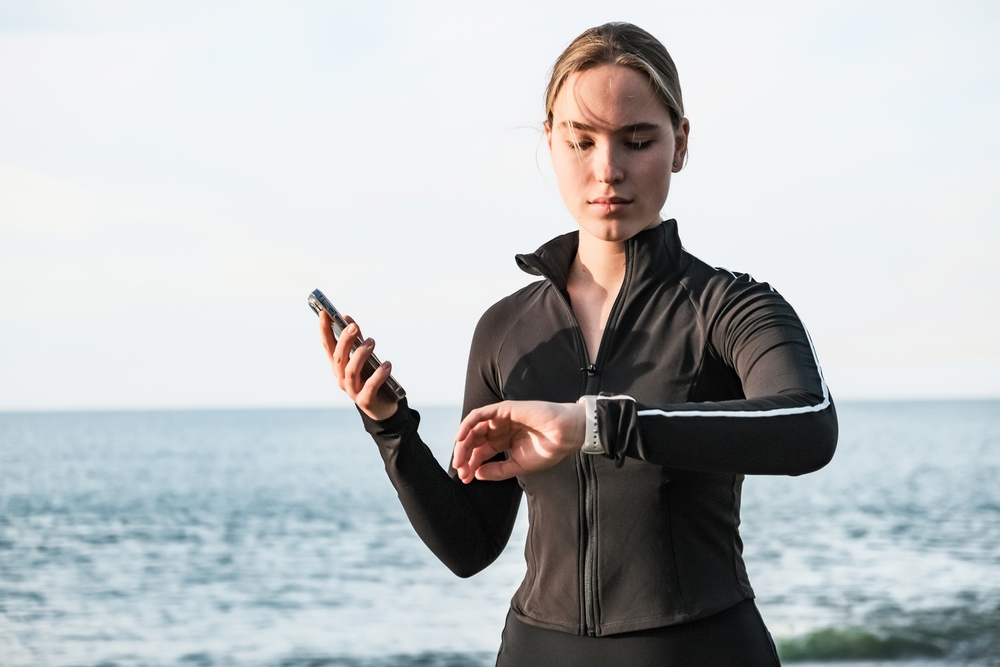
Spending time outdoors in natural daylight is one of the simplest things you can do to support your body clock, particularly during the darker months.
Personally, I try to squeeze in as many walks as possible, whether that’s taking the kids to the park after school, heading out for a hike at weekends or even enjoying a mid-morning walk to the local cafe.
And you don’t need glorious sunshine to benefit. Even on cloudy days, outdoor light is generally much brighter than the lighting in our homes.
Research published in the Journal of Pineal Research highlights the importance of light exposure for our circadian rhythms, with morning light helping to keep our internal body clock in sync.
Try getting outside for 10–30 minutes in the morning if you can – and before even looking at your phone too. It’s a simple way to start the day, get moving and give yourself a little breathing space before everything gets busy.
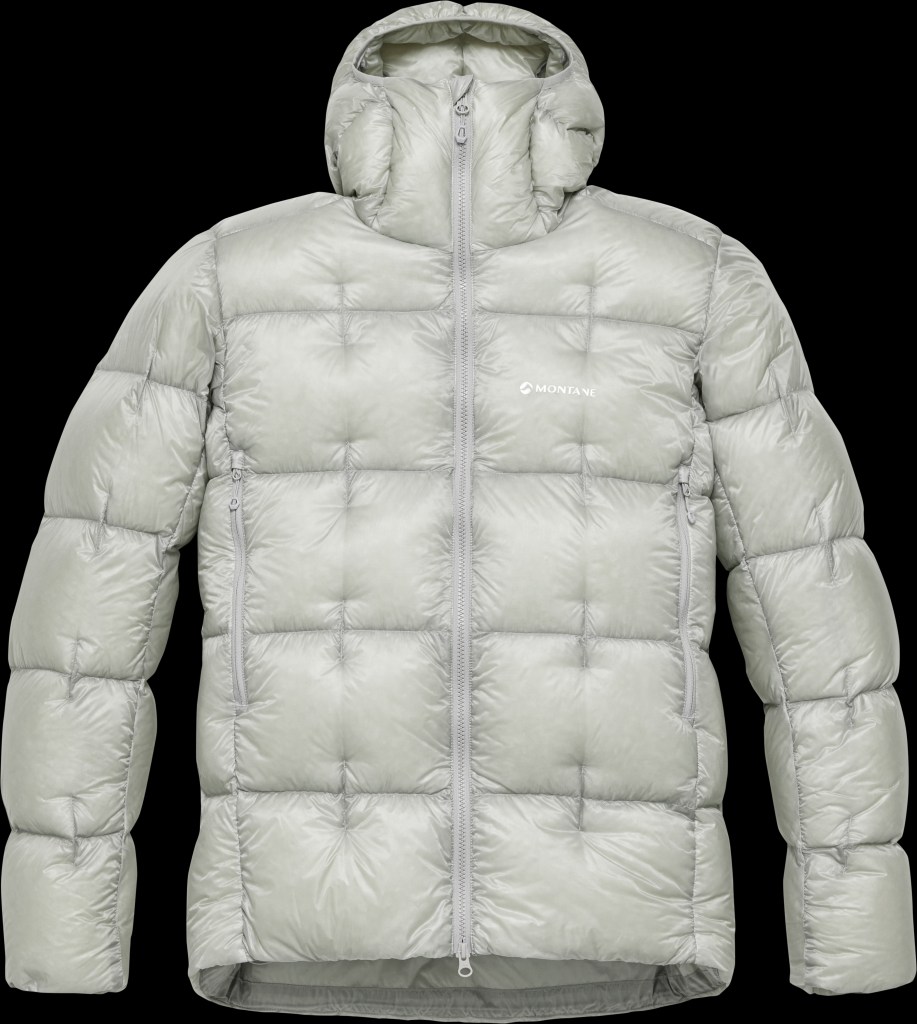
Must-have kit: A cosy jacket, like the Montane Apex 900 Hooded Down Jacket, can make heading outdoors on chilly mornings feel much more appealing. With cosy Goose down insulation and water-resistant fabric, it’s designed to keep you extremely warm without feeling weighed down. Because sometimes getting out of the door is half the battle.
2. Keep the same wake-up time
Yes, even at weekends. Our body clocks love consistency, so getting up at roughly the same time each morning can help regulate our sleep-wake cycle and make those dark winter mornings feel a little less painful.
Need more sleep? Try bringing your bedtime forward rather than relying on a long lie-in. And if you do fancy a little extra time under the duvet at weekends, don’t worry – consistency matters more than perfection.
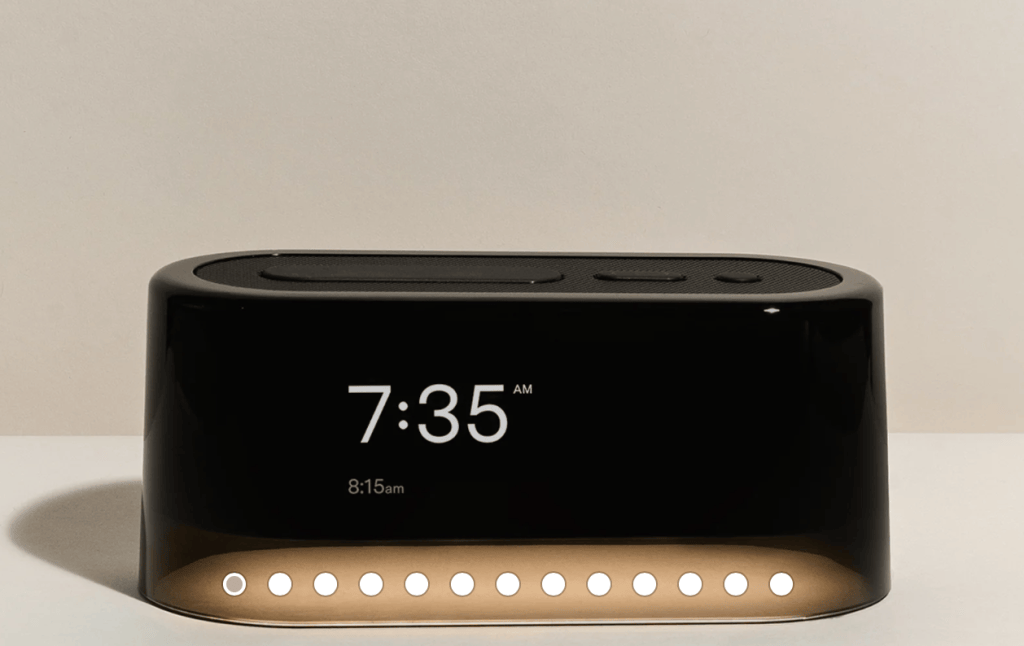
Must-have: The Loftie Smart Clock, £159.99, has a gentle two-phase alarm that will ease you into the moring as well as sleep sounds, including chimes and nature sounds, and guided meditations to help you wind down at night. For me, the biggest bonus is being able to keep my phone out of the bedroom and use this alarm instead. And it’s genuinely lovely to wake up to birds chirping rather than a blaring alarm.
3. Dim your evenings
As tempting as it is to scroll through Instagram or catch up on your favourite series before bed, bright light in the evening can interfere with your body’s natural sleep signals.
The blue-enriched light emitted by phones, tablets and other screens can delay melatonin release, making it harder to feel sleepy when you hit the hay.
Try dimming the lights an hour or two before bed, or swapping harsh overhead lighting for warmer bedside lamps and some screen-free time to unwind. I’ve swapped my phone for a journal or good book, it’s amazing how sleepy you get when you aren’t doom scrolling (we’re all guilty.)
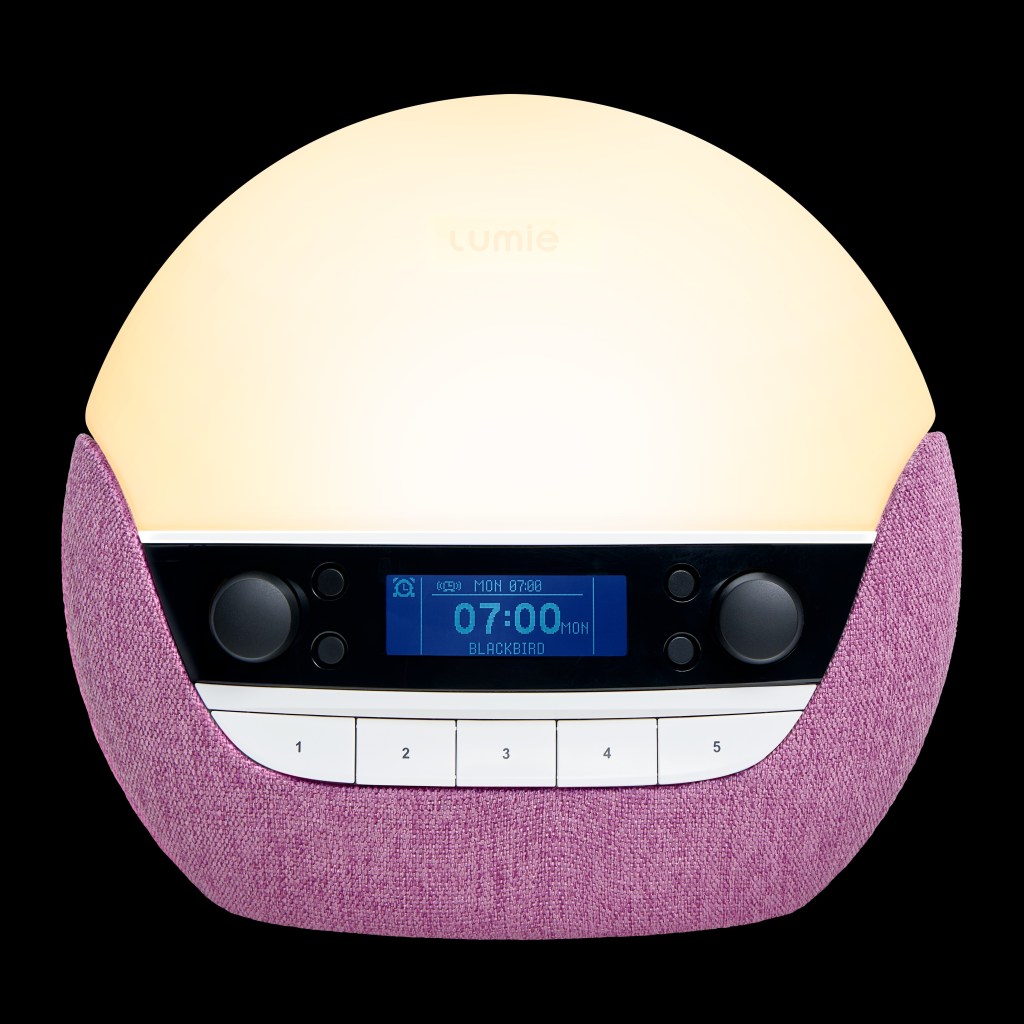
Must-have: The Lumie Bodyclock Luxe 750DAB, £229 has genuinely changed my evenings and mornings. Its gradual sunset setting, which can be adjusted from 15 to 90 minutes, helps me wind down without suddenly plunging the bedroom into darkness. There’s more enough light to read by before it gradually fades away.
And in the morning? The simulated sunrise slowly fills my bedroom with light, and eases the transition from dark to light on a winters morning. I find it a much calmer way to start the day, particularly when it’s still pitch-black outside.
4. Don’t forget your vitamin D
With shorter days, colder weather and less sunshine, getting enough vitamin D can become more challenging during winter.
In the UK, sunlight isn’t strong enough for our skin to produce sufficient vitamin D between October and early March. And while foods such as oily fish, egg yolks and fortified cereals provide some, it can be difficult to get enough through diet alone.
That’s why the NHS recommends that adults consider taking a daily supplement containing 10 micrograms (400 IU) of vitamin D during autumn and winter.
Vitamin D is essential for maintaining healthy bones, teeth and muscles, and is also found to help synthesise serotonin and dopamine, chemicals linked to depression, in the brain.
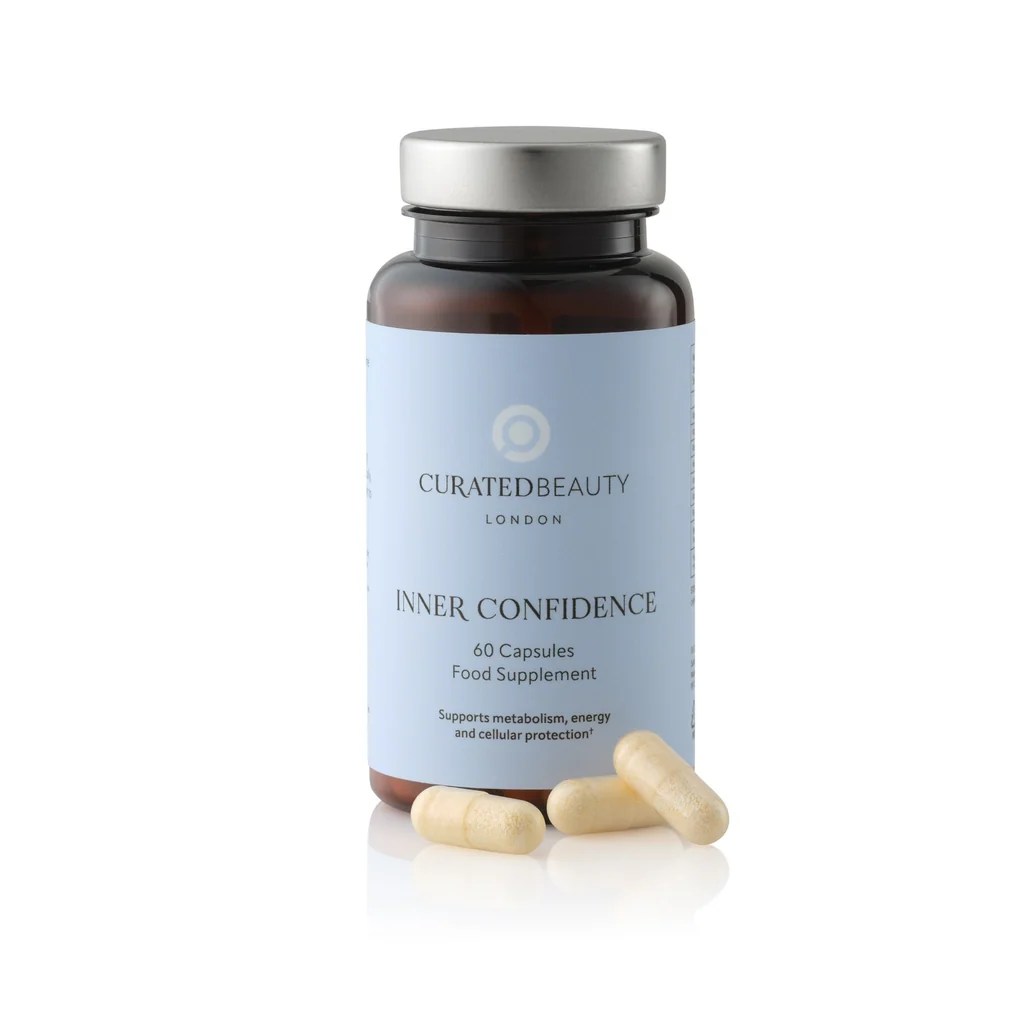
Must-have: Keep your vitamin levels topped up with Inner Confidence, £60, a supplement combining NMN with vitamins B, C and D. Each serving provides 25 micrograms (1,000 IU) of vitamin D3 – that’s 2.5 times the NHS’s recommended daily autumn/winter intake of 10 micrograms. It also contains vitamin C, which can help to boost your immune system and B vitamins, for energy metabolism.
5. Be mindful of your caffeine and meal times
If you’re struggling to sleep, it might be worth keeping tabs on your afternoon coffee intake – and even that daily chocolate fix, which also contains a little caffeine.
In fact, caffeine has an average half-life of around five hours, meaning that roughly half of it can still be in your system five hours after your last cup.
And here’s where things get interesting. A 2023 systematic review and meta-analysis of 24 studies estimated that a typical coffee containing around 107mg of caffeine should be consumed at least 8.8 hours before bedtime to minimise its impact on sleep, while a higher 217.5mg dose, similar to some pre-workout supplements, may need a gap of around 13.2 hours.
So, if you’re struggling to drift off at night, it might be worth swapping that afternoon coffee for a decaf and seeing whether your sleep improves.
Keeping your meals reasonably consistent can also help establish a regular daily routine. And while there’s nothing wrong with enjoying the occasional pastry or chocolate biscuit, combining carbohydrates with protein, fibre and healthy fats can help you feel satisfied for longer – and keep your blood sugar levels more stable.
Must-have: I find that having a protein-rich afternoon snack helps keep me going until dinner, particularly on busy days when I’m juggling work, the kids and training.
My go-to is a smoothie made with Warrior’s white chocolate-flavoured whey protein, £24.99, 150g 0% Greek yoghurt, a spoonful of almond butter (20g) and half a banana. It’s quick, filling and saves me rummaging through the cupboards when that mid-afternoon hunger strikes. Winter cravings? What winter cravings?