


Breast cancer is still far more common in women over 50, but experts are concerned by a gradual rise in cases among younger women. Here’s what could be behind the increase – and the steps you can take to reduce your risk
Pics: Getty Images
With October being international breast cancer awareness month, an annual campaign that aims to raise awareness of the disease, the fact more women under 50 are getting diagnosed is a timely topic. However, it’s important for me to clarify that I am not one to ever sensationalise a story – particularly one as important as this – so some facts first for reassurance. Whilst breast cancer in younger women is genuinely rising, the increase is relatively small rather than a dramatic surge.
According to the UK Breast Cancer Now charity, 80 per cent of breast cancers occur in women over the age of 50 – with around 2200 women aged 30-39 diagnosed each year. And in the USA, 2024 figures from the American Cancer Society point to around 8750 cases of breast cancer diagnosed in women under 40. However, what is worrying cancer specialists is its evidence of a steeper rise in under 50’s of 1.4 per cent per year, something the ACS described as “concerning” in its report findings.
With that in mind, we asked some experts for their advice on what’s behind the rise in cases of younger women getting a breast cancer diagnosis.
We ask the experts on why younger women are being diagnosed with breast cancer
As a New Jersey oncologist specialist, Dr Yadyra Rivera has seen for herself the increase of younger patients getting the disease in the USA. There are several reasons why this is the case explained Dr Rivera, who works as the Program Director of Breast Oncology at Holy Mame Medical center.
“In the United States the diagnosis of breast cancer has increased in women under the age of 50.
“First of all we need to remember that the access to mammograms and the awareness of starting screening mammograms at the age of 40 has increased leading to more detection of very early-stage breast cancer with a high rate of curability,” she said.
“Even though researchers are not 100% sure what has led to the increased incidence of breast cancer there are several factors that definitely can be identified that increase the risk of breast cancer. Women are having children at an older age or not having any pregnancies altogether which significantly increases the risk of breast cancer.
“Also increases of alcohol, lack of exercise and obesity are known factors to enhance the risk of breast cancer in younger women.”
Alcohol risk factor
As for why alcohol increases the risk of getting breast cancer, Mia Kazanjian, a radiologist specialising in breast and body imaging, explains that “it serves as a carcinogen, increasing risk of the disease due to its impact to trigger mutations and to increase levels of estrogen in the body.”
At her clinical practice in Connecticut, which has the highest rate of early onset of breast cancer in the USA, she has been seeing more and more women under the age of 50 with breast cancer.
“The rising binge drinking in younger women sets them up for increased risk,” she explained. “And then there is the obesity issue which has been increasing in incidence and particularly in younger people. Obesity is a recognised breast-cancer risk factor.”
Like Dr Rivera, she also points to women delaying childbearing to later ages that can increase the risk for younger women. This is because having your first child at a late age means breast cells spend more years exposed to hormonal cycles before pregnancy matures them (mature breast cells may offer some long-term protection from breast cancer).
Other factors Mia Kazanjian includes are:
“Exposures to endocrine disrupting chemicals can increase risk in young women. This may be through inhaled pollutants, food, water, skincare products, and certain hormone medications. And genetic mutations such as BRCA mutations carry a significantly higher risk in younger women.”
Whilst more research is needed into why chemicals can cause breast cancer among younger people, it is likely due to the fact that things like particles from plastic, pesticides, and cosmetics increase the risk because they interfere with hormones in our body, like estrogen. And then there is other environmental factors like exposure to air pollution that may also be a risk factor for developing breast cancer because air pollutants can be absorbed into breast tissue and may help breast cells become cancerous.
Recommendations:
As a breast radiologist, it is something that concerns Mia Kazanjian and with younger women who are worried about getting breast cancer, she often recommends by the age of 25 they have a risk assessment for breast cancer with a tool like Tyrer Cuzick, which follows the American College of Radiology (ACR) recommendations. It involves a basic risk calculation where your clinician enters information such as your age, family history of breast cancer, breast density and other factors to determine whether you may benefit from things like enhanced screening and annual breast MRI scans.
“As physicians, we need to recommend these risk assessments to women so that if they do have a greater than 20% lifetime risk, they have the option and choice to screen earlier (by the age of 30) with mammogram and potentially MRI. This can be lifesaving and can help to find and treat the early onset cancers hitting our young population. Breast cancer is best treated when found early. The five year survival rate for stage 1 breast cancer is 99%,” she explained.
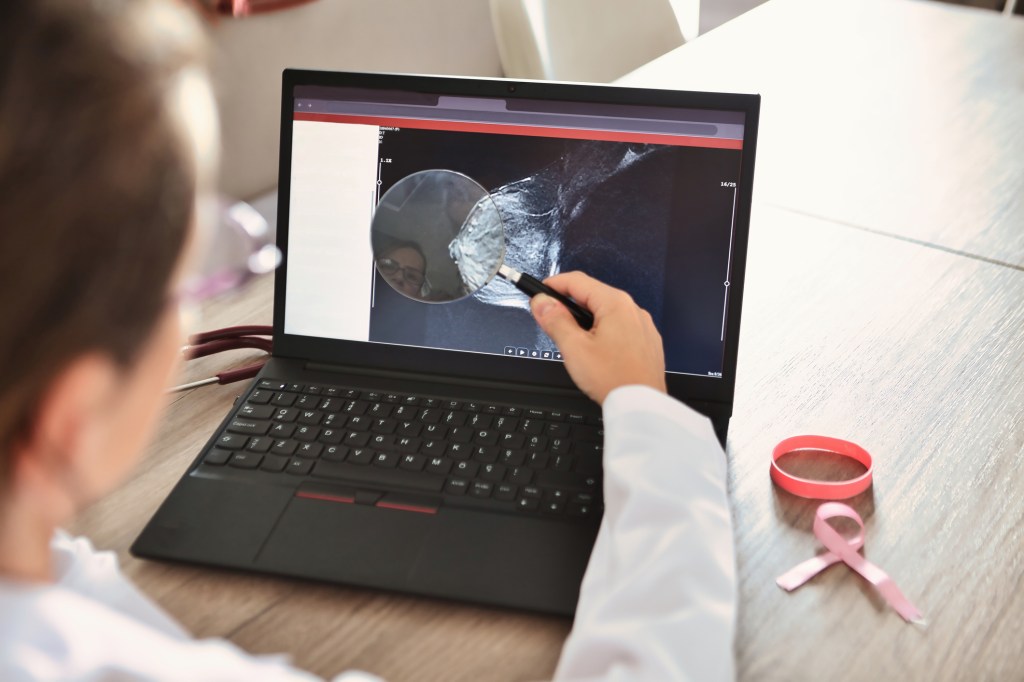
How to reduce the chance of getting breast cancer at a younger age
Whilst young people can’t completely prevent themselves from getting breast cancer, there are some useful evidence-based steps to take:
Keep your intake of alcohol low
Try to maintain a healthy weight
Understand your family history so if relatives have had or got breast cancer you may need greater medical assessments
Get to know your breasts and report any unusual changes to your doctor
If you plan on having children, keep in mind that in your thirties and later the breast cancer isk is higher compared with having a baby at a younger age. Reproductive timing is only one of many risk factors.