


New research suggests relying mainly on family history may overlook thousands of women under 50 who later develop breast cancer, prompting calls for a more personalised approach to assessing risk
PICS: Getty Images
A study by the University of Cambridge and The Institute of Cancer Research, London, found that the criteria used by GPs to identify women under 50 at high risk of breast cancer in the UK miss up to 95% of those who develop the disease within the following decade.
Published in the British Journal of Cancer, the research found that the current National Institute for Health and Care Excellence (NICE) referral guidelines rely heavily on family history, overlooking many women who develop breast cancer despite having no inherited risk.
Researchers say future assessments should instead combine family history with genetic, lifestyle and reproductive factors to provide a more accurate picture of an individual’s risk.
Breast cancer is the most common cancer among women worldwide
Breast cancer remains one of the leading causes of cancer deaths in women under 50. Identifying women at increased risk earlier could allow doctors to offer enhanced screening, closer monitoring or preventive treatment before cancer develops.
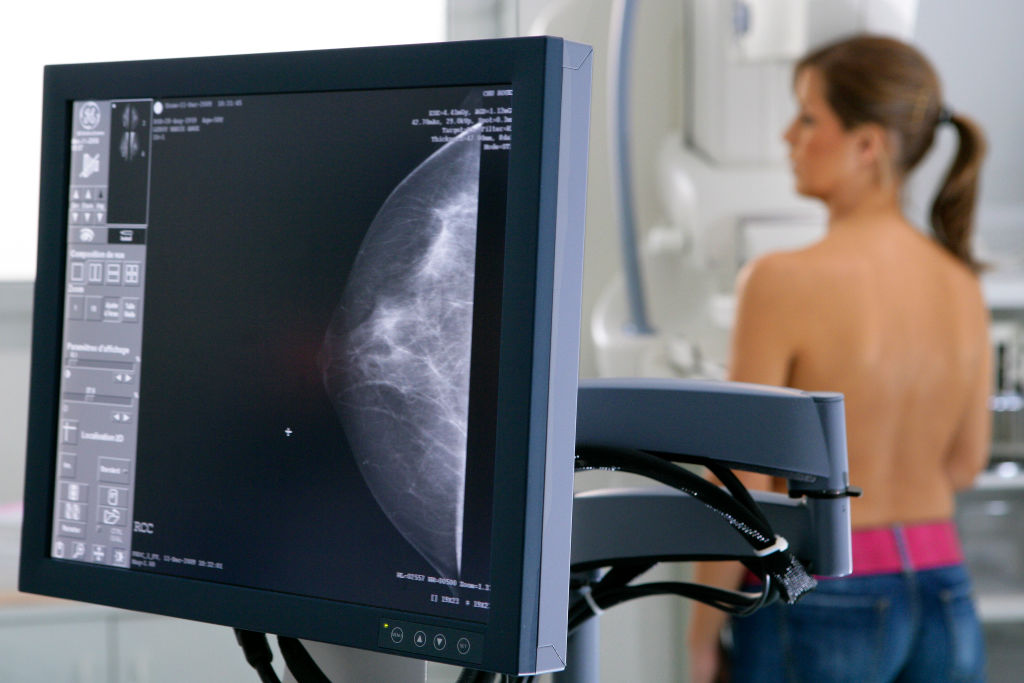
At present, women under 50 in England are not routinely offered mammograms unless they have symptoms or are considered to be at significantly increased risk because of a strong family history. Women aged 50 to 71 are invited for routine mammograms every three years through the NHS Breast Screening Programme.
Researchers compared the current NICE referral criteria with BOADICEA, a breast cancer risk prediction model developed at the University of Cambridge with funding from Cancer Research UK.
Unlike the current system, BOADICEA combines multiple risk factors, including family history, reproductive history, lifestyle and genetic information, to estimate a woman’s likelihood of developing breast cancer.
Different approaches
The difference between the two approaches was striking.
Using the existing NICE criteria, only around 1.4% of women under 50 would be referred for specialist assessment. Among women who later developed breast cancer within 10 years, the guidelines identified just 4.4%.
By comparison, BOADICEA classified around 26.5% of women under 50 as being at above-average risk and identified 34.8% of women who went on to develop breast cancer – roughly eight times as many as the current referral system.
One reason for the shortfall is that family history alone is not a reliable indicator of risk. The study found that 73% of women under 50 who developed breast cancer within 10 years had no family history of the disease, meaning they would probably not have been referred under the existing guidelines.
Early Intervention
Dr Juliet Usher-Smith, from the University of Cambridge, said: “We need to get better at identifying women at highest risk of breast cancer so that we can intervene early, when there are more options for treating, or even preventing, their disease.
“The current NICE criteria used in general practice are missing up to 95% of women under 50 who will go on to develop breast cancer. It’s time to look again at these criteria in light of our findings.”
The researchers acknowledged that expanding risk assessments would present practical and financial challenges.
Professor Montserrat García-Closas, from The Institute of Cancer Research, London, said: “There will be a balance to strike. The current NICE criteria are much easier to implement, but they miss a large proportion of women at elevated risk.
“A full risk assessment, including genetic testing, would place a significant burden on healthcare resources.”
She said policymakers would need to weigh the costs of collecting additional information against the potential benefits of identifying more women who could receive preventive care.
Breast Cancer Now welcomed the findings
They said they should inform NICE’s ongoing review of its family history guidance.
Dr Simon Vincent, the charity’s chief scientific officer, said: “These findings highlight the limitations of NICE’s current referral criteria, and this research should be carefully considered as part of the ongoing review of its family history guidelines.
“However, any changes must also be backed by investment in family history services so they can be implemented effectively and fairly.”
Cancer Research UK, which funded the study, also said any future changes would need to balance the benefits of earlier detection with the potential downsides, including increased anxiety for some women and additional pressure on NHS services.
A spokesperson for NICE said the organisation welcomed the findings and recognised the potential of multifactorial risk models such as BOADICEA.
However, they said the current evidence was not yet sufficient to justify changing existing guidance.
“NICE welcomes the findings of this study and recognises the potential of multifactorial risk models in improving the identification of women at increased risk of breast cancer in the future,” the spokesperson said.
“However, the current evidence does not warrant a change to our existing familial breast cancer guideline at this time. NICE remains committed to reviewing new evidence and will consider further updates as more data on feasibility and clinical outcomes become available.”
Researchers stressed that, regardless of age, women should be familiar with how their breasts normally look and feel and seek medical advice promptly if they notice any unusual changes.
While no risk assessment tool is perfect, the findings suggest that relying primarily on family history leaves many younger women unaware they may be at increased risk. Experts believe more personalised risk assessment could eventually help target earlier screening and prevention to those most likely to benefit.