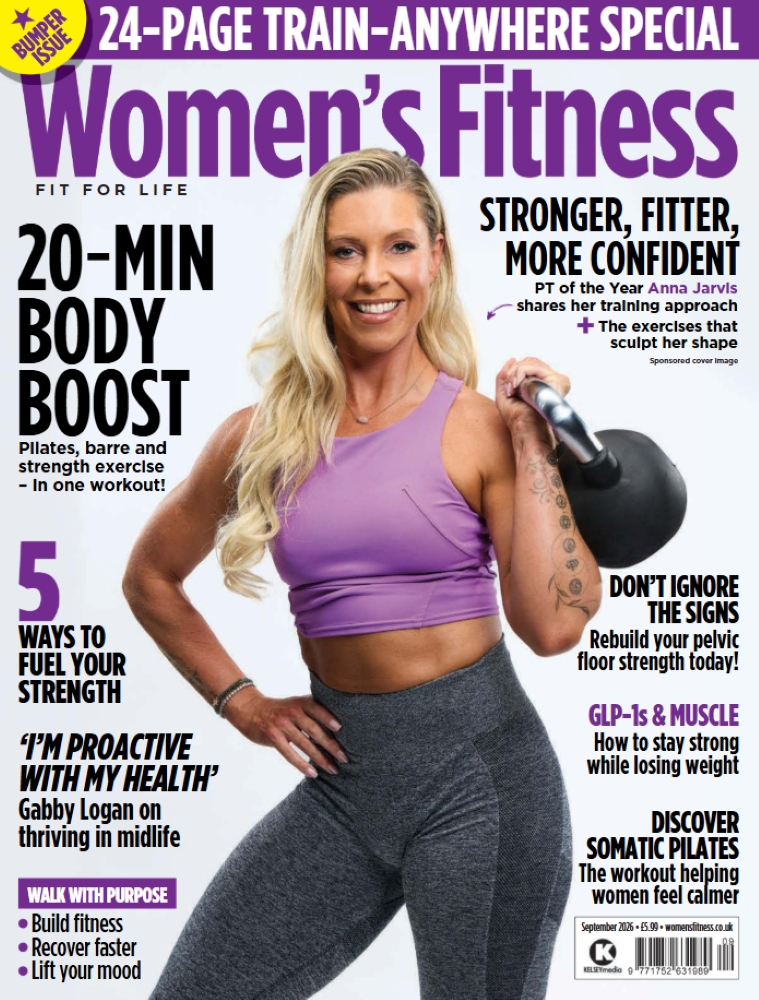

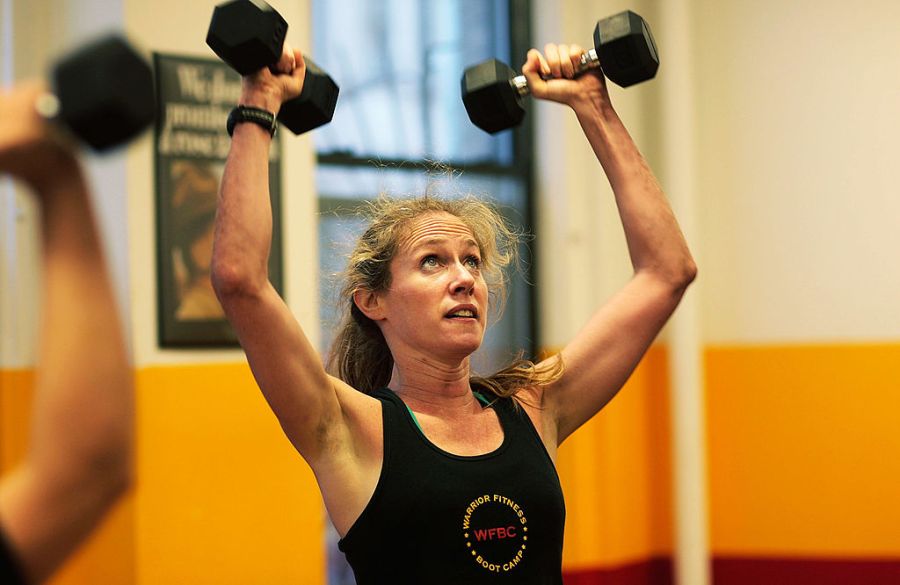
When it comes to strength training, longer doesn’t necessarily mean better. According to Liam Hogan, co-founder and head of fitness at Veyr, the quality of your workout can be far more important than how long you spend in the gym. And you can get stronger with a 30 minute strenght workout.
PICS: Getty Images
You do not need an hour. You never did. A 30 minute strength workout can provide impressive results, fast.
“Building strength is not about how long you are in the gym. It is about what you do with the time you are in there. The quality of the work, the reps, the sets, and the lifts you choose,“ Liam says. “I have coached people for more than 15 years, and the ones who get strong are not the ones with the most time. They are the ones who use it well.”
How much strength training do you really need?
For anyone struggling to find time to exercise, Liam says the amount of strength training needed to reap significant health benefits may be surprisingly manageable.
“Here is the number worth knowing; a 2022 review in the British Journal of Sports Medicine pooled 16 studies and found the biggest reductions in risk of early death, heart disease and cancer came at 30 to 60 minutes of strength work a week. Not a day. A week. Past an hour, the extra benefit largely transfers into muscle growth, “ Liam explains.
“Two half hour sessions. That is the whole prescription, and most of us walk past it because we assume we need far more,” he adds.
And you don’t have to already be fit or experienced with weights before you begin.
“And you do not need to earn your place in the weights room first. There is no level of fitness you have to reach before strength training becomes appropriate for you. The barbell is not a reward for already being fit. It is how you get fit,” Liam explains.
Choose exercises that give you more bang for your buck
If you only have 30 minutes, choosing the right exercises becomes particularly important. Liam recommends prioritising compound movements that work several muscle groups simultaneously.
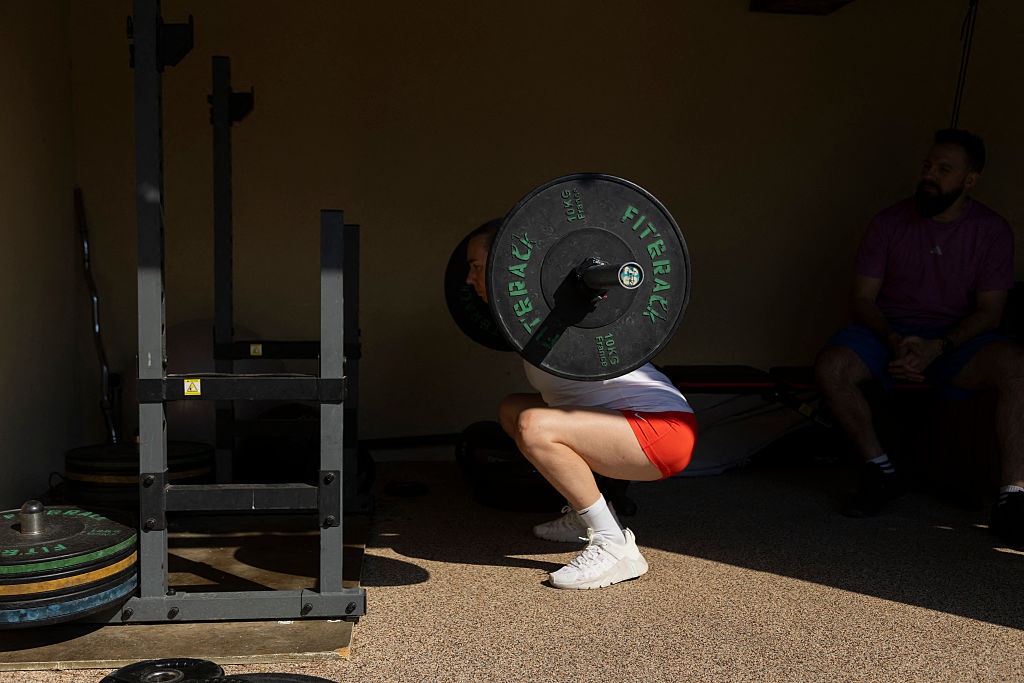
“Pick the lifts that pay you back – squats, deadlifts, presses, rows. Compound movements work several muscle groups at once, so one exercise does the job of four. Bicep curls are what you add when you have time spare, not what you build a short session around.”
Pair exercises to save time
Another way to squeeze more out of a shorter workout is to pair exercises together rather than completing one movement at a time.
“Pair your exercises – move between a lower body lift and an upper body lift. While one works, the other recovers, so you get the same work done in close to half the time.”
This approach, often known as a superset, allows one muscle group to recover while another is working, helping to keep the session moving without sacrificing the amount of work completed.
Make those final reps count
Simply turning up and repeating the same workout week after week isn’t enough if your goal is to keep getting stronger. Liam says the final few repetitions should feel challenging – and your training needs to gradually progress.
“Push where it counts, then progress – the last two or three reps of a set should feel genuinely hard. That is the part that changes you. Then every week, add a rep, a little weight, or a set. The same workout with the same weights for six months is exercise. Progression is training.”
Try this 30-minute strength workout
Veyr has created a 30-minute session split into three phases, with 26 minutes of working time.
The workout uses RPE, or Rate of Perceived Exertion, to indicate how difficult each set should feel. An RPE of eight means you should finish the set feeling as though you could have completed another two reps, while an RPE of 10 means you couldn’t manage another.
Phase 1: Olympic power – 6 minutes
Power snatch: 5 sets of 2 reps at RPE 8.
Rest for 90 seconds.
Phase 2: Strength superset – 10 minutes
Back squat: 5 sets of 5 reps at RPE 9.
Pull-ups: 5 sets of maximum reps at RPE 9.
Alternate between the two exercises, resting for 90 seconds between pairs.
Phase 3: Hypertrophy AMRAP – 10 minutes
Complete as many rounds as possible (AMRAP), resting when needed:
- Incline dumbbell bench press – 10 reps
- Barbell row – 10 reps
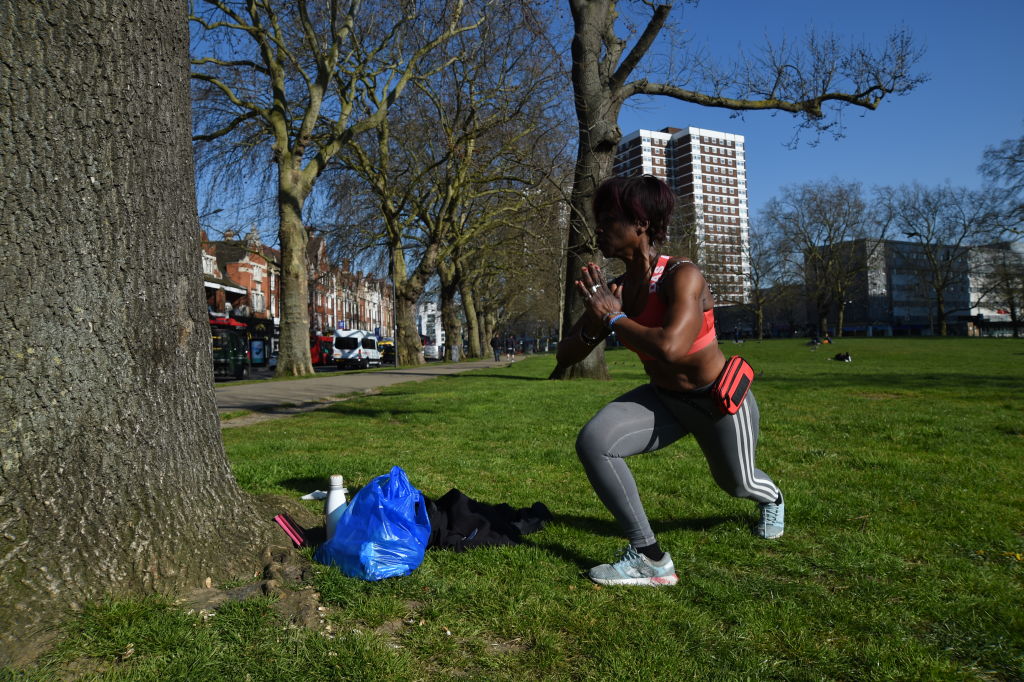
- Walking lunges – 20 reps
The result is a short but focused session combining power, strength and muscle-building work – without requiring an hour or more in the gym.
Liam Hogan is Co-Founder and Head of Fitness at Veyr, a new fitness app which creates personalised workouts in seconds, tailored to your goals.
Veyr is available to download on iOS and Android, with a 30-day free trial. Find out more at Veyr.fit or follow Veyr.fit on Instagram.