
Exercise after 50 isn’t about chasing PBs – it’s about building a body that supports you for decades to come. Experts reveal the five key movements that improve strength, balance, mobility and bone health while helping you stay independent
Our bodies go through a lot of change when we hit our mid-life years and there’s a lot of ways we can help support ourselves. These exercises below are ones you should prioritize after the age of 50 to ensure your bones stay strong, your joints are protected, you have good balance and enough energy.
When it comes to exercise, what worked for us in our younger years is not necessarily ideal once we hit our fifties. It doesn’t mean you have to change the exercises you have come to enjoy and know but rather adapt them to future-proof your body. As we age, our bodies go through changes, with the most obvious one being menopause, so there’s lots of things to keep in mind.
Firstly, from around the age of 30 our bodies start to reduce muscle mass which can have a major impact on your strength and balance. Women also have a tendency to gain subcutaneous and visceral belly fat in their forties and fifties due to hormonal changes. And then there is the added risk of heart disease which rises as we age so doing some form of fitness to help build the heart muscle by getting it to pump faster is recommended.
Add in the menopause – and the years leading up to it known as perimenopause – and our bodies can go through drastic changes. From the extra fat pockets mentioned above and hot sweats to a lack of energy and poor sleep, these hormonal changes can really play havoc with our mood and wellbeing. So exercise certainly plays a part in helping to keep such symptoms at bay!
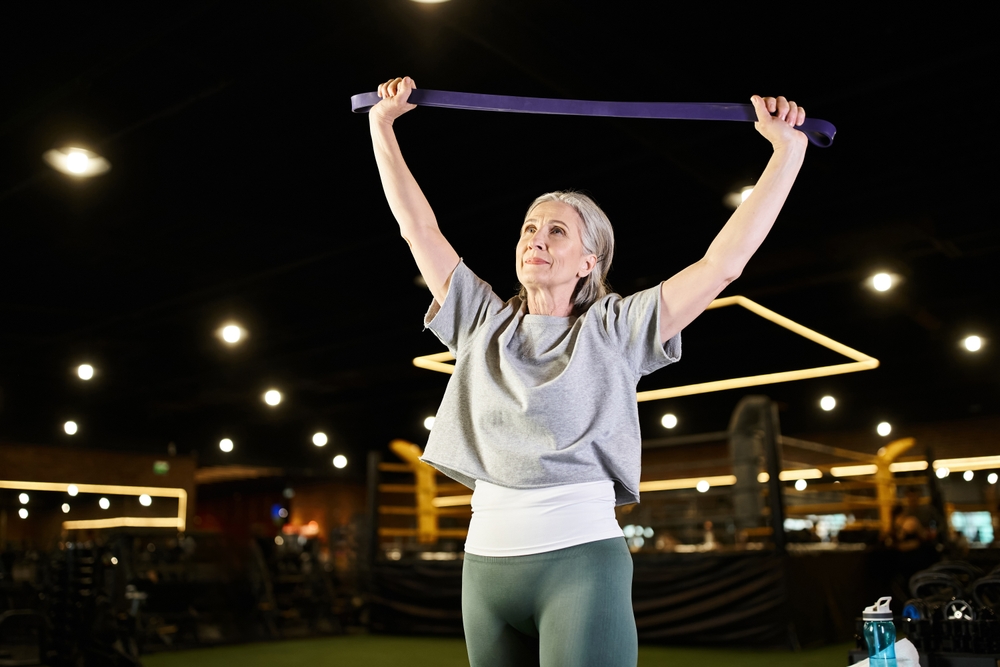
Invest in building muscle
According to the Centers for Disease Control and Prevention guidelines https://www.cdc.gov/physical-activity-basics/guidelines/index.html adults aged up to 64 should try to do at least 150 minutes a week of moderate-intensity activity such as brisk walking and at least two days a week of activities that strengthen muscles.
The encouraging news is that you don’t need to stress about what to do as there’s a few simple exercises the experts recommend that will help with good health and longevity.
“If you want the energy to enjoy life, the strength to stay independent and the fitness to run around with your grandchildren, then building and maintaining muscle is one of the best investments you can make,” explained UK-based personal trainer and nutrition coach Charlotte Wikler, of the fitness group https://ace-lifestyle.com/
“The good news? If you’re in your fifties and haven’t started strength training yet, you have not missed your chance. Your body is still incredibly capable of building muscle, improving bone density and getting stronger. If I could recommend just one thing for women over 50, it would be strength training.
“From around the age of 30 we naturally begin to lose muscle mass, and this accelerates after menopause as oestrogen levels fall. Less muscle means a slower metabolism, reduced strength, poorer balance and a greater risk of falls.
“Strength training also places healthy stress on your bones, helping to maintain bone density and reduce the risk of osteoporosis and fractures. Focus on compound exercises like squats, rows, presses, deadlifts and step-ups. You don’t need to become a bodybuilder, but you do need to be following a progressive overload programme.”
As well as strength training, Charlotte points to walking as being one of the best forms of exercise for overall health.
“It’s fantastic for your heart, improves insulin sensitivity, supports weight management and is a great way to keep active without placing excessive stress on your joints. Aim for 8,000-10,000 steps per day if you can, but remember every step counts. Even a brisk 20-30 minute walk after meals can improve blood sugar control and contribute to better long-term health.”
Maintaining mobility
Maintaining good mobility is paramount as we hit our fifties and this is where balance exercises come into play.
“Mobility/alignment is important for our posture, agility, injury prevention and overall feeling of wellness – good mobility and posture allows us to sleep well, move efficiently, and avoid general aches and pains, especially as we get older,” explained fitness instructor Eloise Skinner www.eloiseskinner.com
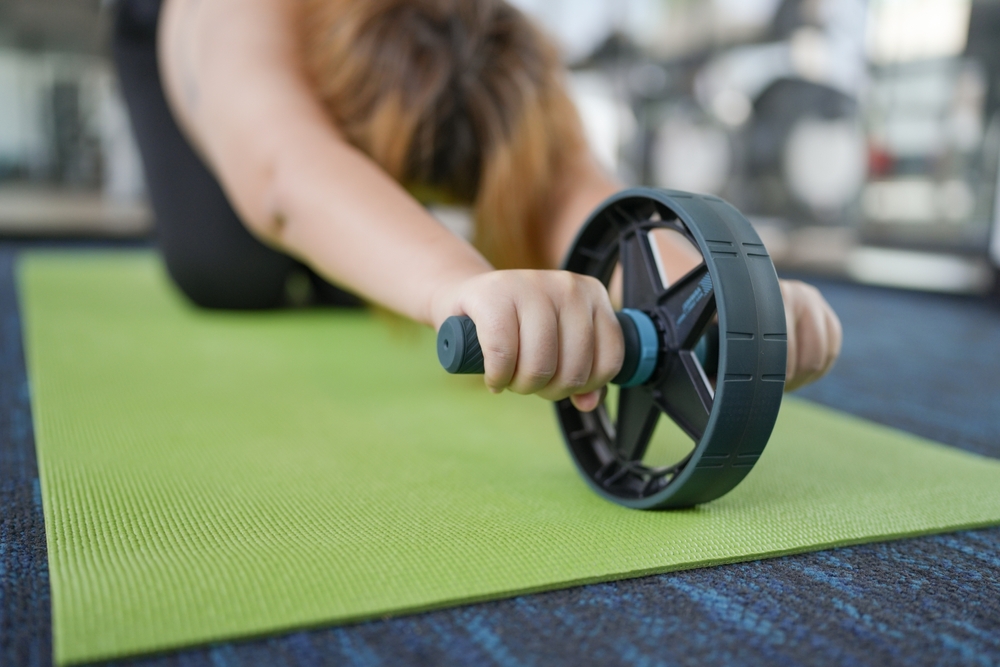
“This type of training could include disciplines like Pilates or yoga, but can also include simple mobility exercises that could be integrated into a daily routine (perhaps just a couple of exercises every morning).”
As for our heart health, she suggests doing some sort of cardio exercise to help protect it.
“This could be jogging, dancing, or sports like tennis and padel that help raise your heart beat.”
As a health coach and personal trainer, Elizabeth Sherman – host of the popular Total Health in Midlife podcast – takes an individual approach with her clients, depending on what stage of fitness they are at.
“Almost all my older clients tell me is that they want to stay independent as they age. They want to be able to carry their own groceries, get up off the floor without thinking about it and keep up with their grandchildren. They’re not training for a race. They’re training for the rest of their lives.
“So when women ask me what exercise they should be doing in their fifties, my answer is always the same: build an anti-fragile body. Not harder, not more. A body that can handle what life throws at it.
“That means strength, balance, and being able to move through a full range of motion. Not because these things add years to your life — they won’t. But they determine what those years actually look like.” Where she starts depends on the woman in front of her.
“If she’s new to exercise: Walking and strength training. Walking creates tiny tears in the bones that strengthen over time. Strength training builds the muscle that keeps you upright and functional when estrogen starts to decline.
“If she’s been doing cardio or yoga for years: Strength training is what’s missing.
“If she’s already strength training: Then mobility is what she needs to work on because strength in a limited range of motion is where injuries happen. The research backs this up. Muscle mass and balance are the two strongest predictors of whether someone stays independent as they age. And both respond to training, even when you start in your fifties.”
Your 5 must-do exercises
Finally, when it comes to what strength training exercises you can incorporate into your life, Katherine Rothamn, Rhode Island fitness trainer and owner of Core Cycle and Fitness LaGree www.corefitprov.com suggests the below:
Step-ups – These strengthen the legs and glutes while improving balance and coordination for everyday activities like climbing stairs.
Bird-dogs – Build core strength, improve spinal stability, and help reduce the risk of lower back pain.
Standing calf raises – This exercise strengthens the calves and ankles, which are important for walking, balance, and preventing falls.
Chair squats – These build leg strength, improve balance, and make sitting and standing easier.
Wall push-ups – This one is my favourite; it’s super easy to do & builds muscle in the chest, shoulders, and arms without placing too much stress on the joints.