
Menopause fitness coach Cara Metz explains how short bursts of movement can reduce stress, improve sleep and support muscle, metabolism and joint health – while being far easier to stick to.
Words and pics: Cara Metz
What if the workout that helps you manage your menopause symptoms is only 15 minutes long?
It sounds almost too simple to work. But after coaching thousands of women through perimenopause and menopause, I have seen that 15 minutes of consistent exercise can achieve far more than the hour-long workout you repeatedly talk yourself out of doing.
Why a 15 minutes workout can be enough
First, let’s talk about consistency. Tell a woman she needs to exercise for more than an hour every day and she may begin with the best intentions. I see it constantly. During weeks one and two, she is unstoppable. Then week three arrives and life gets in the way.
A work deadline lands, there is a doctor’s appointment, an argument with your partner, stress with the children or a trip to the vet. Once again, you find yourself at the bottom of your own list. The motivation and promises you made to yourself at the beginning quietly drift away.
Fifteen minutes is different. It can fit into a life that is already full – and when something feels realistic, you are far more likely to do it. Repeating it consistently is where the real results begin.

How exercise may ease menopause symptoms
Commit to those 15 minutes regularly and you may begin to notice that you feel calmer, sleep more soundly and experience fewer aches and pains. Exercise can also help you maintain muscle and manage some of the changes to weight and body composition that are common during menopause.
To understand why short workouts can be effective, it helps to look at cortisol.
As you move through perimenopause and menopause, levels of oestrogen and progesterone fluctuate before gradually declining. These changes can affect everything from sleep and mood to appetite, muscle mass and where your body stores fat.
At the same time, a constantly busy or stressful lifestyle can keep cortisol – one of the body’s primary stress hormones – elevated. Persistently high stress may contribute to poor sleep, stronger food cravings and increased fat storage around the middle.
This can create a frustrating cycle. You notice that your body is changing, which makes you feel stressed, and that additional stress can make it even harder to sleep well, eat in a balanced way and find the motivation to exercise.
A short, manageable workout can help interrupt that cycle without placing another overwhelming demand on your day.
Better movement can support better sleep
Exercise can also support sleep, which is one of the most powerful tools available to women during menopause.
Disrupted sleep can affect two important appetite-regulating hormones: ghrelin and leptin. I call ghrelin the “hunger gremlin” because it helps stimulate appetite, while leptin signals that you have had enough to eat.
After a poor night’s sleep, ghrelin can rise while leptin falls. That is one reason you may wake up feeling ravenous after a restless night.
Tiredness can also make it more difficult to resist highly sugary or fatty foods, which is precisely why the biscuit tin can look so appealing in front of the television at 9pm. Eating a large amount of sugar late at night may also disturb sleep for some people, adding to the familiar pattern of waking in the early hours feeling tired but wired, with your mind racing.
The next day, exhaustion makes exercising and choosing nutritious food feel even harder – and the cycle begins again.
Eating well, sleeping well and moving regularly all support one another. Improving one area can make it easier to work on the others, gradually helping you feel more in control of your menopause symptoms.
Three easy 15 minute workouts
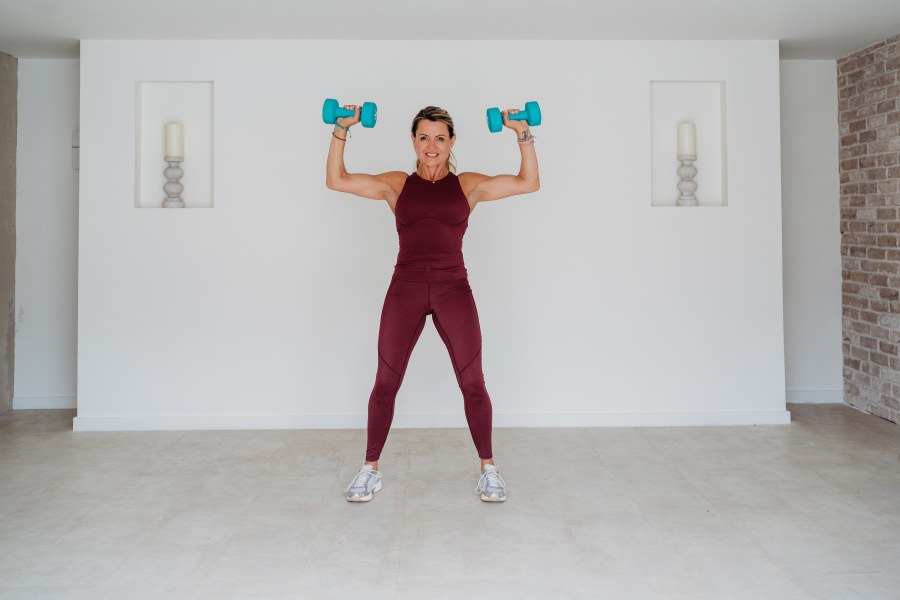
1. Strength training to build and preserve muscle
Strength training helps you maintain muscle mass, which naturally becomes more difficult as you get older. Strong muscles support your metabolism, bones, joints, balance and ability to manage everyday tasks.
A 15-minute session of squats, lunges, glute bridges, wall press-ups and resistance-band exercises can provide an effective full-body workout.
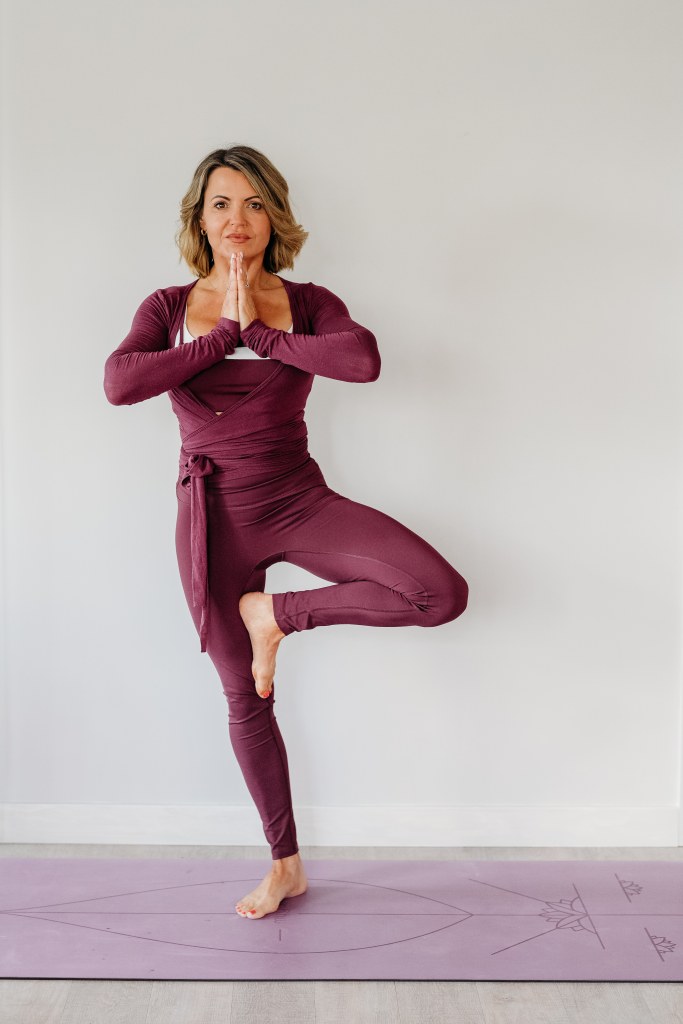
2. Yoga to calm your nervous system
Gentle, restorative movement such as yoga, Pilates, mobility work or stretching can help regulate your nervous system and reduce feelings of stress.
These sessions are particularly useful on days when an intense workout would leave you feeling more exhausted rather than energised.
3. Walk your way to better health
A brisk 15-minute walk gets your body moving, raises your heart rate and contributes towards your daily cardiovascular activity. Walking outdoors may also help lift your mood and provide a valuable break from work, family responsibilities and screens.
Rotate strength, restorative movement and walking throughout the week. This will give your body the regular stimulus it needs to become calmer, stronger and more resilient without leaving you depleted.
Small workouts can produce lasting change
Fifteen minutes will not solve everything on its own. Nutrition, sleep, stress management and appropriate medical support all matter too.
But as a starting point, 15 minutes is realistic, sustainable and long enough to begin making a difference. Most importantly, because it genuinely fits into your day, you are more likely to still be doing it in week 12 – rather than giving up after week two.
That consistency is the real win. It is not the length of the workout that matters most, but the fact that you keep showing up for it.
Cara Metz is the founder of Midlife Mayhem. For more information visit Midlife Mayhem or carametz_