
From optimising your sleep to chasing ever-higher protein goals, experts explain why social media’s “maxxing” obsession can boost your health – or quietly undermine it
PICS: Getty Images
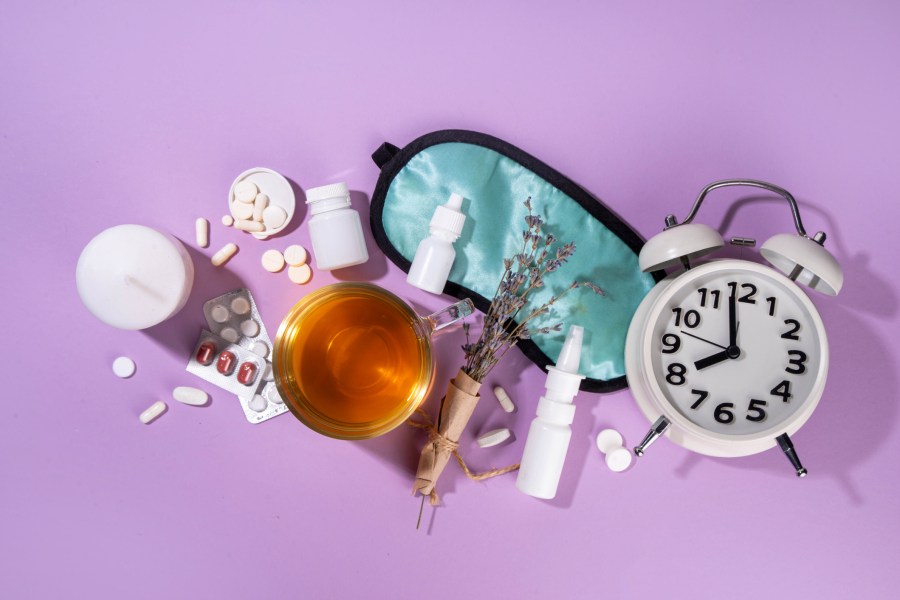
From sleepmaxxing and fibremaxxing to proteinmaxxing and gymmaxxing, the slang add-on word maxxing – that describes doing something to its full potential – has gone viral. If you don’t know what it means, in a nutshell it suggests you are doing something to the fullest – often more than necessary.
The term, which first gained traction in the gaming world where players would reference how they would be “min-maxing” their characters – is a condensed form of the word “maximize.” In the past few years it began to spread across social media with users, more recently, propelling the term “maxxing” to new heights and adding in everyday rituals to prefix it.
While the appeal of “maxxing” is understandable because it encourages people to think proactively about their health, the downside is it can become problematic when optimization shifts into perfectionism. As someone who has not used the term “maxxing”, but who has heard it referenced a lot, I was keen to understand from a psychological point of view what the buzz was all about.
“People are often drawn to the idea of ‘maxxing’ themselves because, at its core, it promises something very human, perceived control over something,” explained psychologist Dr. Cassidy Jenkins.
“The concern is when self-improvement becomes extreme, rigid, or tied too closely to how we value ourselves. Healthy routines can absolutely support mental and physical wellbeing, but when the person starts believing they have to optimise everything about themselves, the behaviour crosses the boundary into psychological harm.
“The constant need to feel you have to improve is emotionally exhausting, leading to burnout and often worsened mental health when the individual can’t maintain whatever they’re ‘maxxing’.
“Social media makes it easier than ever for people to compare themselves in every form to what they see online and constantly feel the need to attain those standards. Algorithms can create an echo chamber, making this culture feel like the dominant reality, further fueling a need to keep up with others.”
Fuelling burnout
It’s no surprise that the maxxing trend can fuel anxiety and burn out, as it creates the belief that every aspect of what we do – from sleeping to exercise – has to be optimized to be healthy. It is a problem trauma therapist Chloe Bean knows only too well.
“The maxxing trend is at the root of what I see with so many of my clients who come in having chased perfection in so many areas of their life.
“Here’s the irony with maxxing: it usually starts as something genuinely good for you, focusing on better sleep, more fibre, and more movement. But it turns it into yet another thing to measure and “win”. The moment wellness becomes a target you’re chasing to the max, your nervous system reads it as pressure, not care. And a body under pressure can’t rest, recover, or digest well. So you end up working against the exact goal you were maxxing toward!
“It backfires because your nervous system can’t tell the difference between a real threat and the self-imposed pressure to optimize everything. Both keep it on high alert. When you’re constantly tracking, scoring, and pushing for more, you’re living in a form of survival mode. That’s the opposite of the calm, safe state where actual healing happens. You can sleep-maxx all you want, but if you’re anxious about hitting your numbers and always checking stats, your body isn’t truly resting.”
When it comes to food and maxxing, the two seem to be a recipe for disaster, particularly if you follow social media “influencers” whose claims come with no medical experience or scientific support. “Fibre-maxxing” and “protein-maxxing” seem to be the two most popular trends but it can become dangerous when people start overloading on both and cutting out other food groups such as carbohydrates and fats.
As a former bodybuilder, nutrition and hormone health expert Corry Matthews is very sceptical about the maxxing craze.
“At its best, its harmless fun that gets people excited about healthy habits. If someone starts prioritising better sleep because of “sleep-maxxing” or increases their fibre intake because they learned about “fibre-maxxing,” that’s a positive outcome.
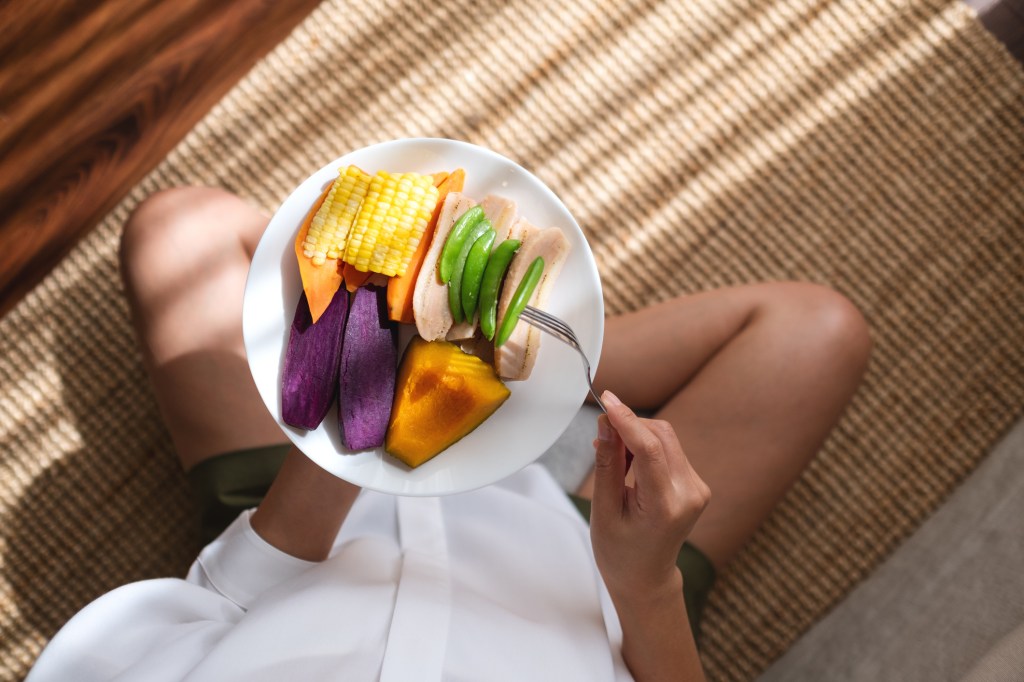
“Where I think the trend goes too far is when social media turns one healthy habit into the only thing that matters. Health doesn’t work that way. Take “protein-maxxing,” for example. As a former bodybuilder, I’m a big believer in getting enough protein. It’s incredibly important for maintaining muscle, supporting recovery, promoting satiety, and helping women age well—especially after 40. But protein isn’t the only nutrient women need.
“Sometimes social media creates the impression that if you’re adding protein to everything, you’ve optimized your nutrition. The reality is that women also need adequate fibre for gut and heart health, healthy fats to support hormone production, carbohydrates to fuel workouts and daily energy, and plenty of fruits and vegetables for the vitamins, minerals, and antioxidants that support overall health. When we become hyper-focused on maximising one nutrient, we can unintentionally minimise the importance of everything else.”
Building healthy habits
Whilst there does seem to be a lot of negativity around the trend, I asked dietician Avery Zenker – who works at https://www.mycrohnsandcolitisteam.com/ if there was in fact anything positive we could take from it.
“There are certainly people who will benefit from these trends when done wisely,” he explained. “Maxxing trends help bring attention to the importance of meaningful healthy habits. These trends help increase awareness to the fact we have a lot of power over our health, and our choices make a difference. It can help empower people to realize there are things they can do to improve their well-being, and some are as easy as eating more fiber.
“Maxxing trends have helped improve health and food literacy to some degree. Thanks to the fibermaxxing and proteinmaxxing trends, people have more knowledge about which foods are sources of protein and fiber. With these trends, people are learning how to read food labels, understand portion sizes, and the nutrition content of certain foods. This could help improve health outcomes long-term, where people are more empowered by their eating habits.
“At the very least, these trends say “hey, what you eat matters”.
He also points out that maxxing trends can be a fun way for people to care more about engaging in their health, adding: “It makes it more of a game, which increases incentive to engage in healthy behaviours like eating more fiber or drinking more water. They make it more socially acceptable for people to care about healthy habits like eating plenty of fiber.”
So with all this information to hand, I think the best way to summarise “maxxing” is in the words of therapist Stephanie Lewis https://www.epiphanywellnesscenters.org/ – who I believe is spot on.
“Although “maxxing” has its roots in a desire to be healthy and in control, most of what we see on social media is created to give us unrealistic expectations. As a clinical social worker, I am very aware of how this type of trend affects people, especially women. Women have an extra layer of pressure placed on them to look good, be productive, maintain positive relationships, and be healthy all at the same time. When it becomes trendy to maximize all aspects of our lives, it is easy to think that doing your best is no longer good enough.
“As a reminder to others, I would say to ask yourself one very simple question. Is this activity adding to my life or subtracting from it? If tracking sleep helps you get out of bed with more energy, then that is a win. But if anxiety starts to set in over not getting a perfect sleep score, the tool is no longer helping you. Wellness should increase our freedom, not create a list of rules for living.”