
From staying active and limiting alcohol to understanding breast screening and HRT, these are the eight lessons my dad, Professor Michael Baum had taught me
Pics: Getty Images
With breast cancer diagnoses growing around the world, it is understandable that many women think about what they can do to reduce their risk.
Breast cancer is the most commonly diagnosed cancer in women globally, and while some risk factors, including genetics and family history, cannot be changed, there are lifestyle choices and preventative measures that can play a role in our overall health.
As the daughter of breast cancer specialist Professor Michael Baum, I have had a rather unusual source of advice throughout my adult life.
My father has spent more than four decades working in breast cancer care. After losing his own mother to the disease – and subsequently his sister – he chose to specialise in breast cancer and went on to lead the team that developed the cancer drug tamoxifen.
I have sadly lost friends to breast cancer, too, and know how devastating a diagnosis can be for both the person affected and those around them.
Over the years, my father has shared plenty of advice with me about breast cancer risk, screening and maintaining good health. These are eight of the lessons that have stayed with me.
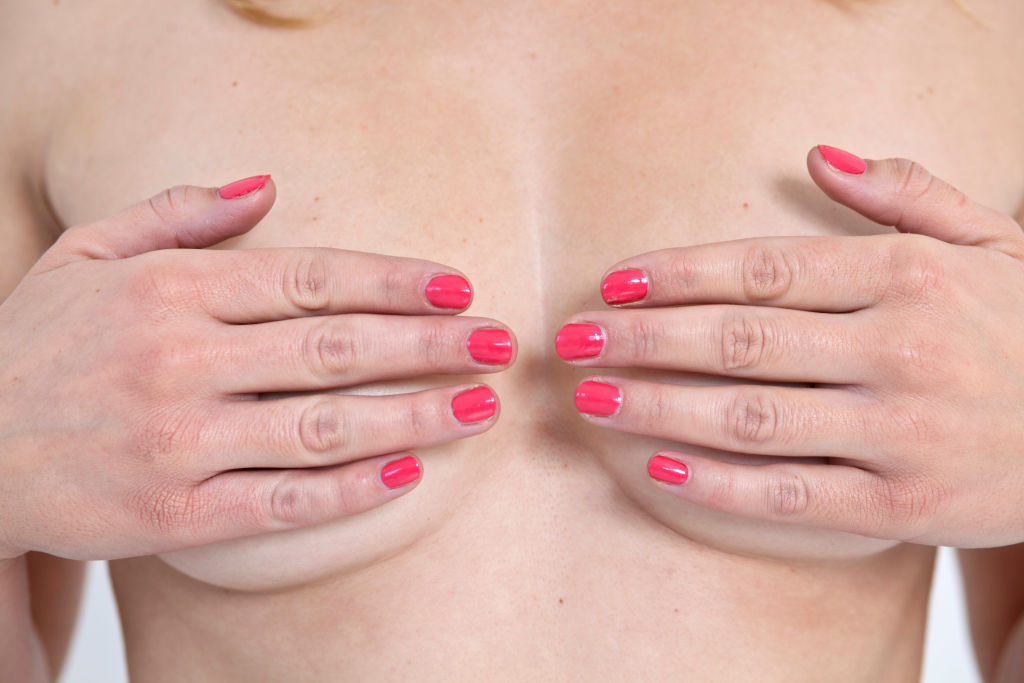
1. Be breast aware, but not obsessively so
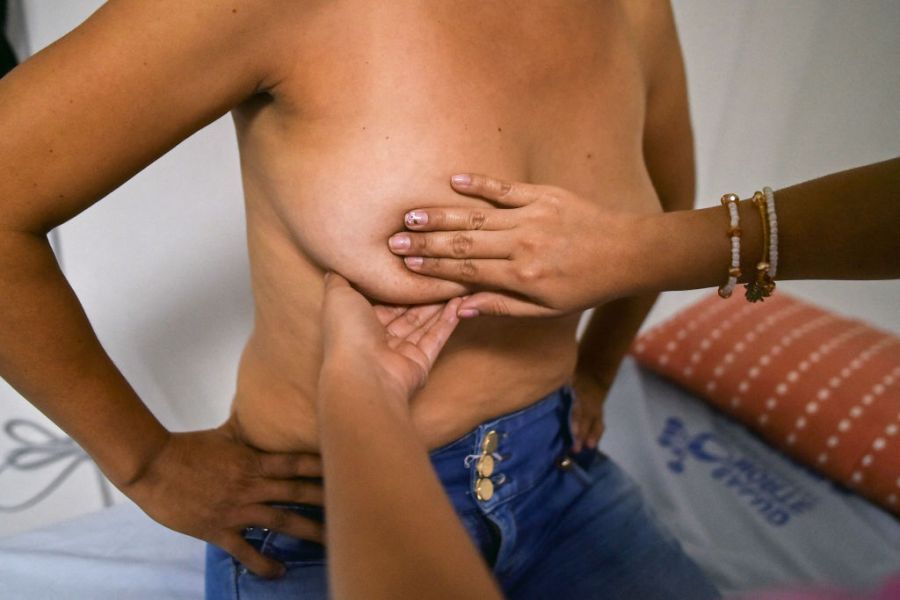
Being ‘breast aware’ simply means getting to know how your breasts look and feel at different times, and speaking to your doctor if you notice any unusual changes.
“Look out for things such as the chance appearance of a dimple in the breast, distortion of the nipple or sight and feel of a lump that isn’t normally there.
“If you notice a change, I recommend making an appointment with a doctor. Don’t look upon it as an emergency, but for peace of mind don’t postpone the visit for too long. Don’t become obsessive about breast self-examination.”
To put this into context, Breast Cancer UK suggests getting to know how your breasts normally look and feel and checking for any changes.
The important thing is not to panic if you notice something unusual – but not to ignore it either.
2. Understand the contraceptive pill and cancer risk
When I was younger, I followed my father’s advice and took the contraceptive pill for several years, until I had my children.
His advice to me was that “it has no impact on the risk of breast cancer and might provide some protection from developing ovarian cancer”.
The reason for this is that the contraceptive pill suppresses ovulation and reduces the number of times the ovaries release an egg over a woman’s lifetime.
Research has found that oral contraceptive use is associated with a reduced risk of ovarian and endometrial cancer. A 2020 report on research involving more than 250,000 women found that oral contraceptive use was associated with protection against ovarian and endometrial cancer, with the protective effect potentially lasting for decades after women stopped taking the pill.
However, the relationship between hormonal contraception and cancer risk is complex, and decisions about contraception should always take individual circumstances into account.
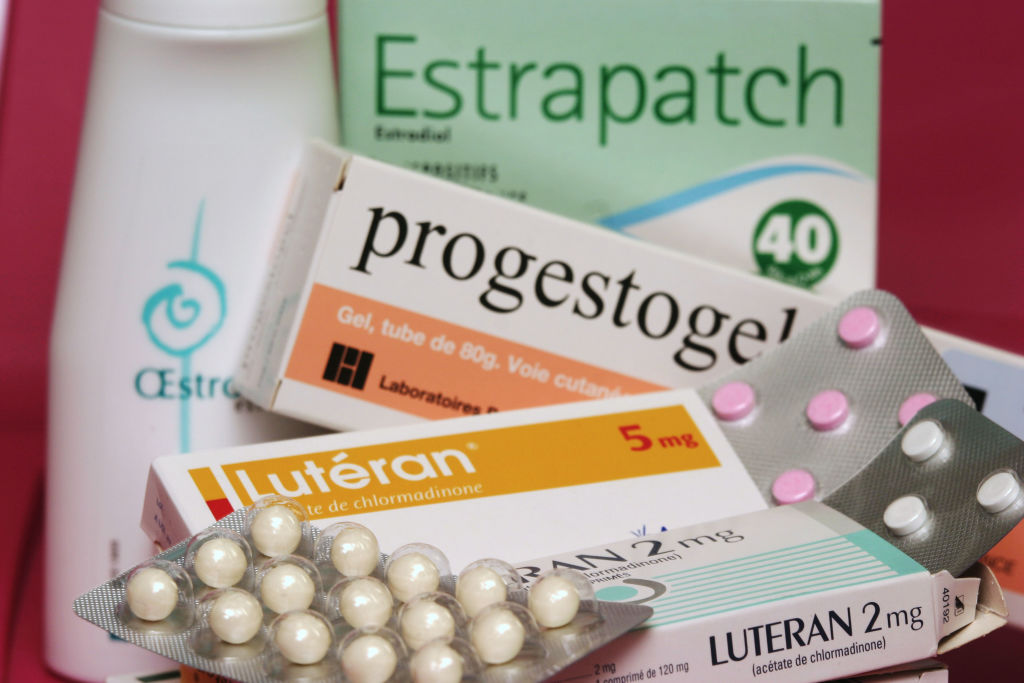
3. Understand the benefits and risks of HRT
Having seen women suffer with menopause symptoms, he has long believed that women should be given balanced information about the potential benefits and risks of treatment.
This is an area where the evidence and guidance have evolved considerably over the years.
My father has argued that the 2002 Women’s Health Initiative study led to widespread concern about HRT and breast cancer, with subsequent reporting failing to reflect the complexity of the findings.
“There is no evidence that HRT causes breast cancer,” he told me.
When I started HRT five years ago, I took his advice into account, while understanding that factors including family history, age and weight can all influence breast cancer risk.
“Any doctor that says you can’t have HRT should be challenged,” he told me at the time. “In the end it’s your decision – you should be given an estimate of benefit and risk, and you can make the decision based on your quality of life.”
However, HRT is not completely without risk, and the balance of benefits and risks varies between women and according to the type and duration of treatment. Anyone considering HRT should discuss their individual circumstances with a healthcare professional.
My father is also an advocate for HRT in protecting bone health, particularly because oestrogen levels fall during menopause and this can contribute to bone loss.
“Osteoporosis is a more common cause of death than breast cancer, so we have to think about the totality of women’s health. Women are more than the sum of their two breasts.”
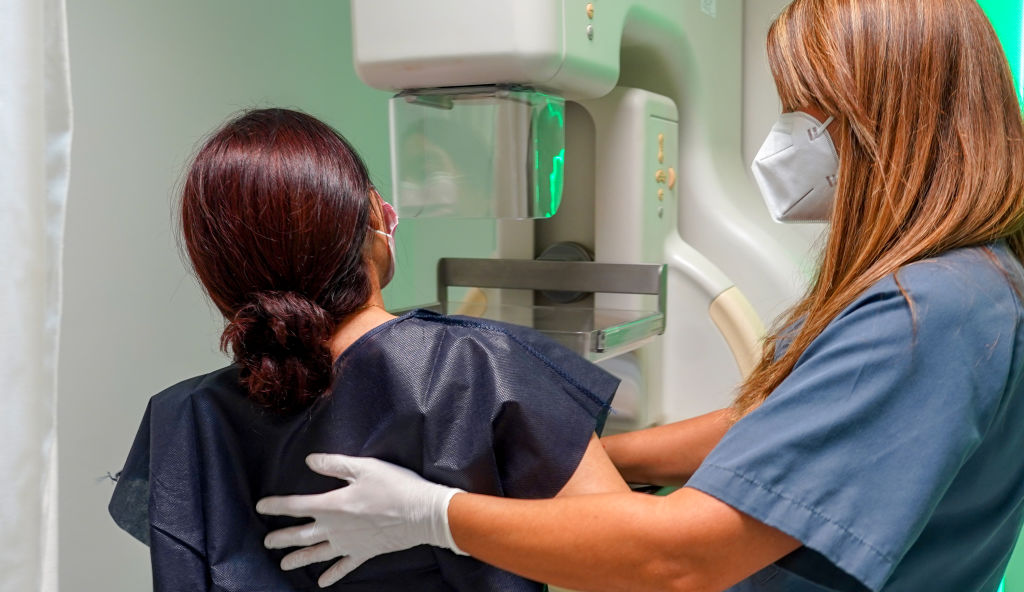
4. Understand the benefits and risks of mammograms
My father has been outspoken about what he sees as the potential overuse of mammograms, citing concerns including false-positive results that can lead to further investigations, procedures and anxiety.
I have had four mammograms – twice when invited through the NHS screening programme and twice when I thought I had found a small lump. Fortunately, both turned out to be nothing.
His advice has always been to understand both the benefits and limitations of screening.
“Women must be provided all the data to make an informed decision. In the end it’s a woman’s choice if she wants to have a mammogram, not that of an NHS bureaucrat,” he told me.
The key message for me has been to understand the information available and discuss any concerns with a healthcare professional.
5. Think about how much alcohol you drink
I am not a big drinker, but I have always enjoyed the occasional glass of wine, perhaps once or twice a week.
My father’s advice has been to be aware of the relationship between alcohol and breast cancer risk.
The NHS advises that regularly drinking more than 14 units of alcohol a week increases the risk of a number of health problems and recommends spreading drinking over three or more days if you regularly drink as much as 14 units.
My father’s advice to me has been slightly more cautious.
“Be aware that more than seven units of alcohol a week is associated with a small increase in the incidence of breast cancer. But remember association does not mean causation.”
For me, that has been a useful reminder that reducing alcohol intake is one lifestyle factor I can control.
6. Stay active
Being fit does not mean you are immune to cancer, but regular physical activity is associated with a lower risk of several cancers.
This is partly because exercise can help maintain a healthy weight, while excess body fat is associated with an increased risk of several types of cancer.
My father has always encouraged me to keep moving.
“You can reduce the risk of breast cancer by taking plenty of exercise and trying to keep your weight down,” he told me.
I have tried to follow that advice through walking and running and, more recently, playing padel.
It is not about being extremely fit or spending hours in the gym. For me, it is about building regular movement into everyday life and finding activities I enjoy.
7. Eat plenty of fruit and vegetables
My father’s nutritional advice has always been refreshingly straightforward.
“Make sure you eat lots of fruit and vegetables,” he told me.
There is no single food that can prevent cancer, but a balanced diet rich in fruit, vegetables and other plant foods provides fibre, vitamins, minerals and other nutrients.
Fibre is particularly important for gut health, while eating a varied diet can also help support a healthy weight.
My father’s wider point has always been that what we eat is part of the bigger picture when it comes to looking after our long-term health.
8. Don’t live in fear of breast cancer
Perhaps the advice I have found hardest – but most helpful – is not to allow fear of breast cancer to dominate my life.
That can be particularly difficult for women with a family history of the disease or other factors that may increase their risk.
I have experienced health anxiety on and off over the years, so this is something I have had to consciously remind myself of.
My father has always encouraged me to think about my overall health rather than becoming consumed by the possibility of one particular disease.
“Women should not conduct their lives because of fears about breast cancer,” he told me. “There are more important causes of premature death such as heart disease, Alzheimer’s and dementia.”
For me, that means being aware of my body, attending appropriate screening, staying active, eating well and understanding my individual risk – without constantly worrying about what might happen.
There is no guaranteed way to prevent breast cancer, and no lifestyle checklist can eliminate the possibility of developing it. But understanding the things we can influence, while getting appropriate medical advice about the things we cannot, can help us take a more balanced approach to our health.