

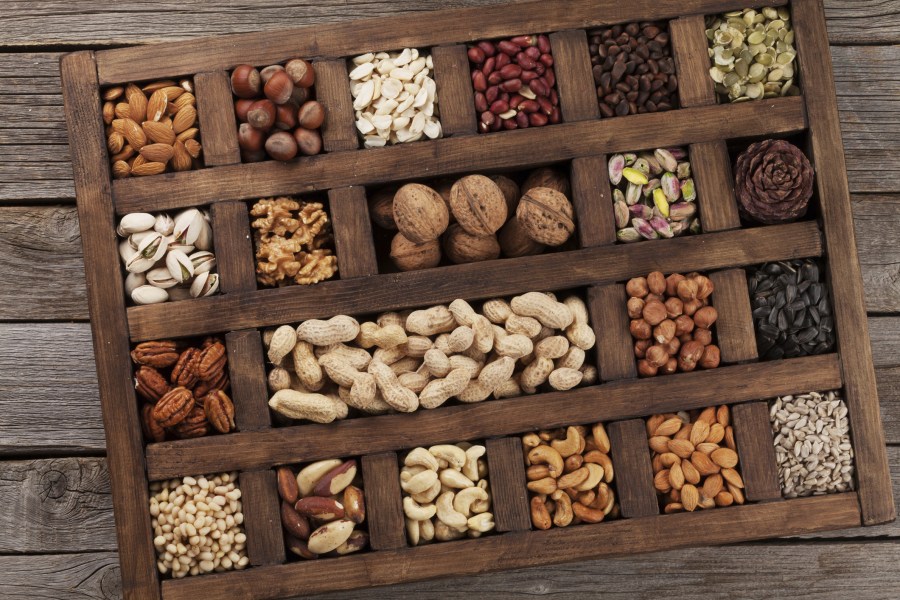
They may share a place on the Christmas table, but nuts aren’t nutritionally identical. Here’s how seasonal favourites differ, and how to enjoy them beyond a handful between meals.
The bowl of mixed nuts is a familiar December fixture. Sometimes it sits untouched beside a nutcracker. Sometimes it disappears steadily while everyone waits for lunch.
Nuts can contribute useful nutrients, but the category contains considerable variety. A soft, cooked chestnut is quite different from a walnut, while a chocolate-coated almond brings more to the bowl than the almond alone.
You don’t need to rank every variety. Understanding a few differences can help you choose what you enjoy and find more ways to use it.
Chestnuts are the unusual one
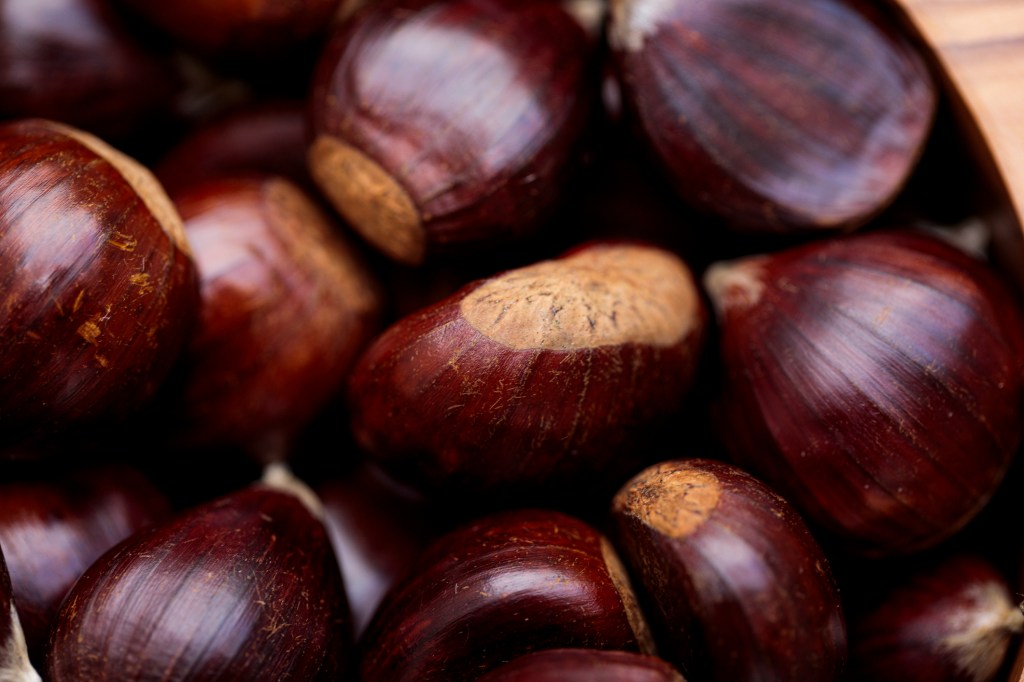
Chestnuts have a softer, more floury texture than most familiar nuts and contain considerably less fat. Their carbohydrate content makes them a different ingredient in cooking, too.
For example, Merchant Gourmet’s ready-to-eat chestnuts list 1.3g fat and 5.3g fibre per 100g. Those figures apply to that product, rather than every preparation of chestnuts.
Use cooked chestnuts in soups, stuffing or a warm vegetable dish. Crumble them into mushrooms and lentils, or roughly chop them over roasted sprouts.
They don’t have to be reserved for Christmas dinner. A small packet of cooked chestnuts can be an easy way to change the texture of an everyday meal.
Walnuts bring a different contribution
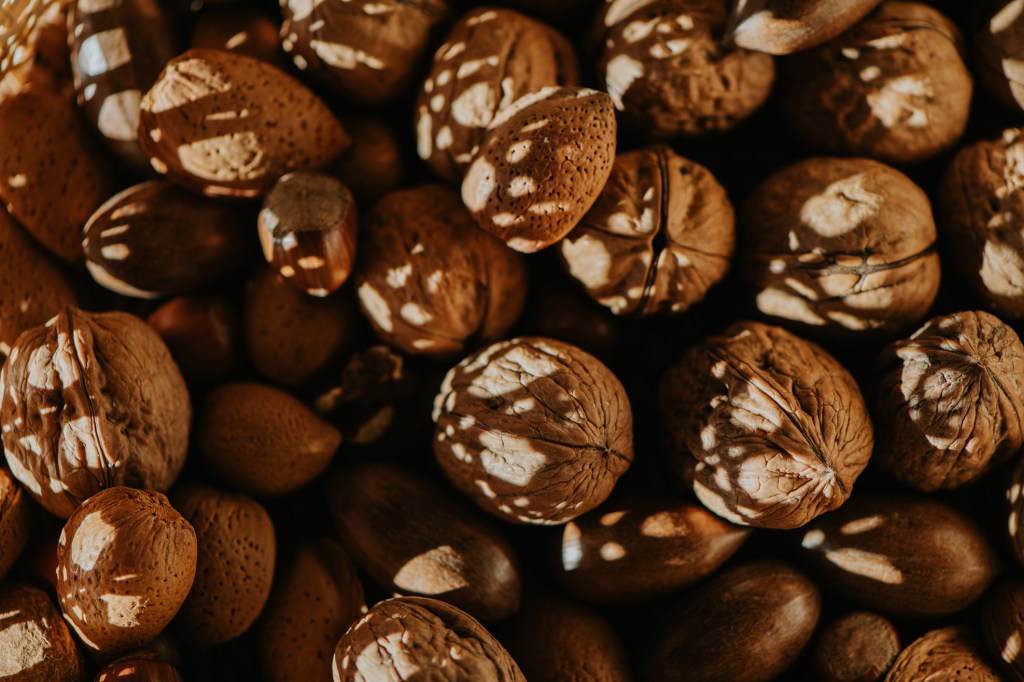
Walnuts supply predominantly unsaturated fats and are a source of the plant omega-3 fat ALA.
The British Heart Foundation includes walnuts among nuts that can form part of a heart-healthy eating pattern. It also emphasises variety rather than identifying one universally “best” nut.
Try roughly chopping walnuts over porridge, stirring them through a beetroot salad or combining them with parsley and lemon for a savoury topping.
You don’t need a large amount to notice their flavour. If you dislike their slight bitterness on their own, using them with other ingredients may be more appealing than forcing yourself to snack on them.
Mixed nuts offer variety
A plain mix can be useful if you enjoy several textures and flavours. Check what is actually in the bag. Some contain mainly peanuts, others have a more expensive combination of almonds, cashews, hazelnuts and walnuts. Neither arrangement automatically tells you whether you’ll enjoy it more.
The British Nutrition Foundation identifies nuts as sources of nutrients including fibre, protein and unsaturated fats, with the amounts differing between varieties.
Taste and price are reasonable deciding factors. An expensive packet has little advantage if it spends the entire season unopened.
Use portions as information
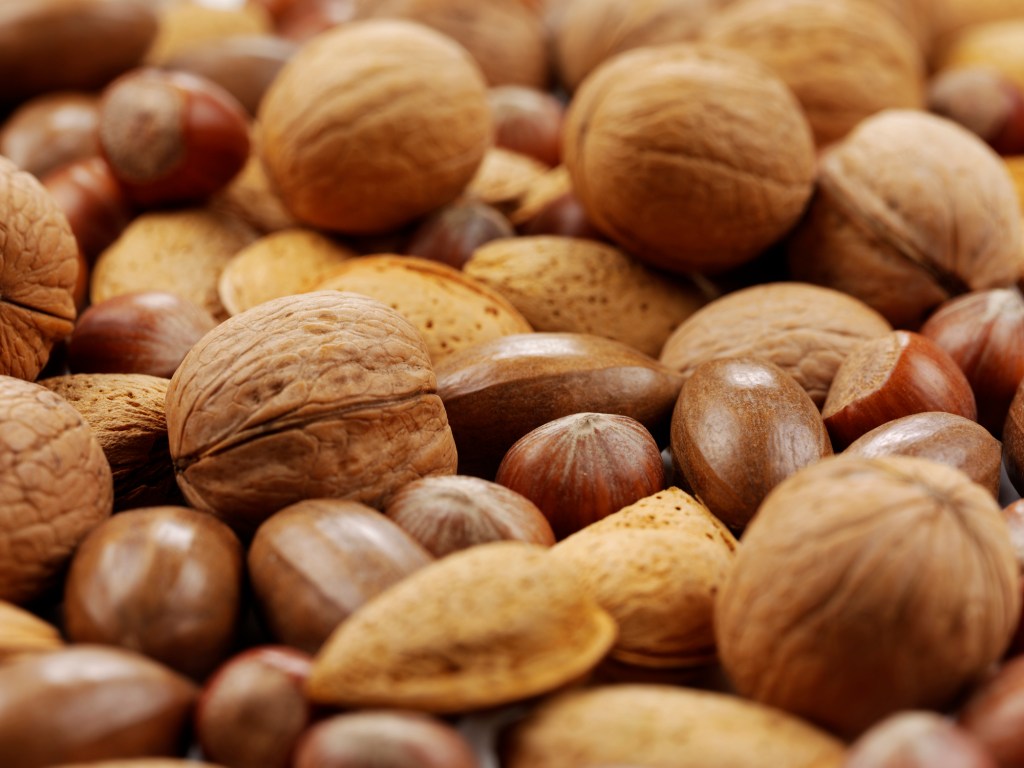
The BHF gives a small handful, around 30g, as a practical portion of nuts. Weigh that amount once if you’re curious about how it looks. Handfuls vary, and it’s easy to lose track when eating directly from a large bag.
That isn’t a rule requiring you to measure every snack. It simply helps put nutritional figures into context, especially when the label gives information per 100g.
Cooked chestnuts differ enough in composition and texture that an identical portion weight doesn’t make them interchangeable with walnuts or almonds.
Read what has been added
Salted, honey-roasted and chocolate-coated nuts can all be enjoyable, but compare the complete product.
“Roasted” doesn’t automatically mean heavily salted or sweetened. Equally, a nut-based product isn’t necessarily just nuts. Read the ingredients if that distinction matters to you.
For a versatile kitchen option, a plain, unsalted packet can move between sweet and savoury meals. Keep a festive coated version because you like it, rather than expecting it to perform the same role in a recipe.
Store what you’ll use
Follow packet instructions, especially once opened, and keep nuts away from heat and moisture. Check cooked chestnut packs separately; they may need refrigeration and prompt use after opening.
Before buying several varieties, think of two or three meals where they’ll fit. Walnuts could finish breakfast, almonds could add crunch to a vegetable dish and chestnuts could enrich soup.
That gives the festive bowl a life beyond the coffee table, and means choosing nuts becomes a matter of flavour and usefulness, rather than finding a seasonal superfood.