
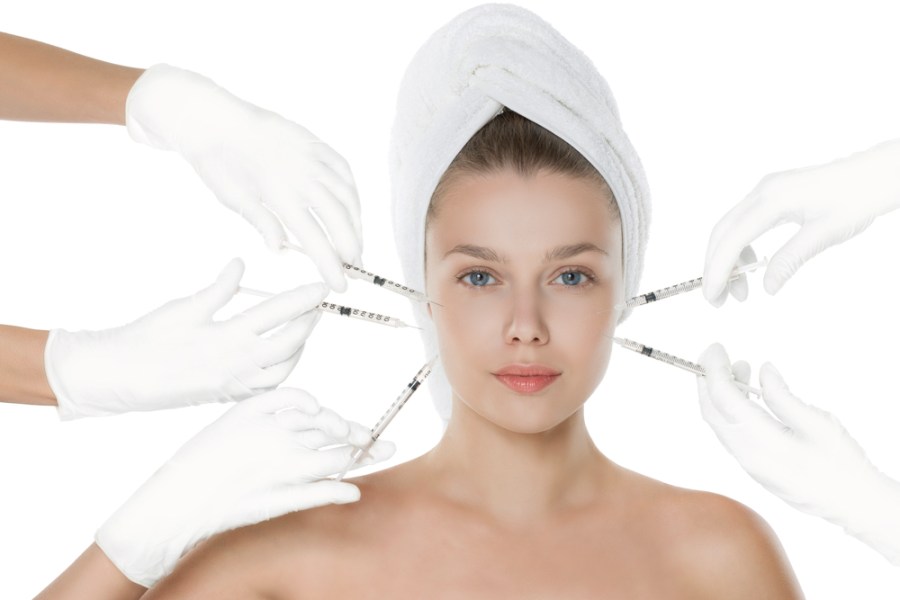
Most people know Botox as a cosmetic treatment. But doctors are increasingly using it to treat migraines, excessive sweating, teeth grinding, muscle spasms and chronic pain
PICS: Shutterstock
Most people think of Botox as a cosmetic treatment, but for many patients it’s actually an important medical therapy that can significantly improve their quality of life. From helping with everything from sweat problems and teeth grinding to migraines and shoulder pain, Suzanne Baum explores the eye-opening world of Botox.
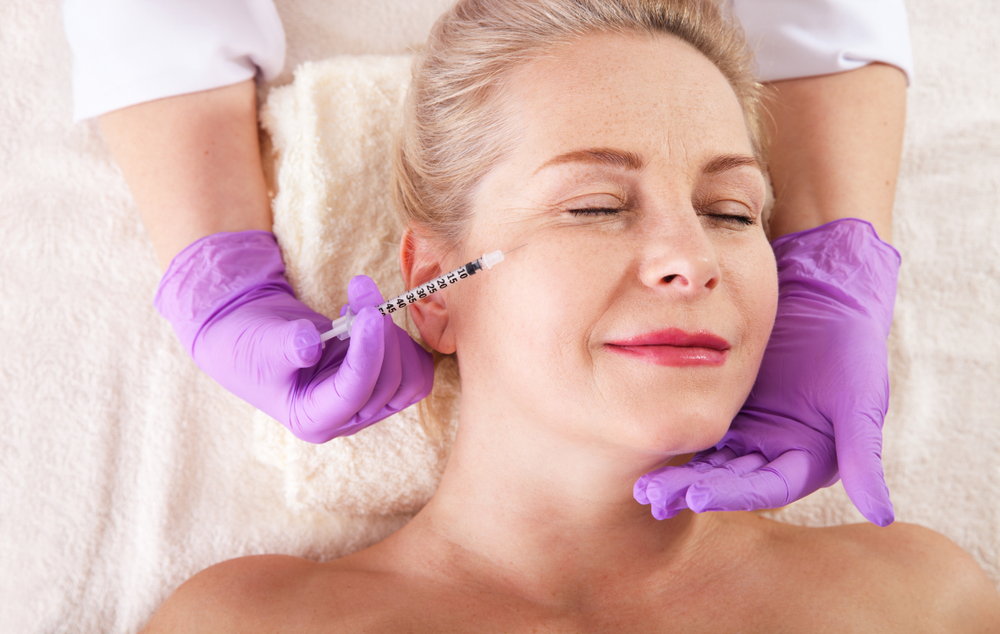
Popular for helping reduce fine lines and wrinkles on the face and neck, whilst maintaining a youthful appearance of the skin, Botox is well-known for helping to keep ageing at bay. As someone who has Botox twice a year to iron out the crow’s feet around my eyes and the odd line on my forehead, I swear by it for helping me look more youthful. Yet, dig a bit deeper and aside from its cosmetic value, when it comes to medical benefits, the power of Botox works for all sorts of health conditions.
“Whilst most people associate Botox with cosmetic treatments, it’s actually been used in mainstream medicine for many years and has a surprisingly broad range of clinical applications,” explained Dr Jonny Betteridge, founder of the leading UK-based skin and injectable clinic www.jbaesthetics.com.
“What makes Botox so versatile is its ability to temporarily reduce abnormal nerve signalling, which is why it has found applications across so many different areas of medicine”.
From his experience working within the NHS, one of the most common medical uses Dr Betteridge used Botox for was to treat his patients with chronic migraines who had not responded well to conventional medications. Migraines are often triggered when a nerve becomes irritated by the muscle it runs through. By relaxing that muscle, Botox can help reduce nerve irritation and, in turn, decrease the frequency and severity of migraines.
“These patients would often receive ongoing treatment with Botox injected into specific areas of the scalp, neck and shoulder muscles, helping to reduce both the frequency and severity of migraine attacks.”
Relaxing overactive muscles
When it comes to neurology conditions such as dystonia, a movement that causes involuntary muscle contractions resulting in painful spasms of the body, Botox can help.
“Dystonia can cause abnormal postures and repetitive movements,” explained Dr Betteridge. “By relaxing overactive muscles, Botox can help patients move more comfortably and improve their day-to-day function.”
Another area Botox is perhaps better known for is to help with hyperhidrosis, otherwise known as excessive sweating. In her London Chelsea clinic, Dr Maryam Zamani – one of the world’s most sought-after oculoplastic surgeons and aesthetic consultants – regularly treats clients with the condition.
“This can affect the underarms, palms, soles of the feet, scalp, face, and even intimate areas. Many patients, particularly women during perimenopause and menopause, struggle with excessive scalp sweating and facial sweating, which can be socially distressing and affect confidence. Botox can dramatically reduce sweating by blocking the nerve signals that stimulate sweat glands.”
For patients struggling with the condition rosacea, that causes redness of the skin, visible blood vessels and inflammation, Dr Zamani explains that Botox can also play a role in managing it.
“While it is not a cure, small doses placed strategically can help reduce facial flushing and redness in selected patients by decreasing the abnormal nerve signalling and vascular responses that contribute to symptoms.”
No more face ache
Another sought-after treatment Dr Zamani offers is Botox to help with teeth and jaw problems. “I am seeing more patients seeking treatment for jaw clenching and teeth grinding, known as bruxism; which can have the added benefit of facial slimming. Many people are unaware that chronic jaw tension can contribute to headaches, facial pain, tooth wear, and even a wider lower face. Botox relaxes the overactive masseter muscles, reducing symptoms and, in some cases, helps create a slimmer facial contour.”
In fact, according to American plastic surgeon Dr. Jeffrey Lee, founder of the Boston-based health clinic https://www.jlplasticsurgery.com/ this is the most popular Botox treatment he is experiencing patients ask for.
“Stress-related jaw clenching and teeth grinding have become incredibly common, and many patients reach a point where traditional treatments, such as mouth guards, are no longer providing enough relief. We frequently receive referrals from dentists because Botox addresses the source of the problem by relaxing the overactive muscle rather than simply managing the symptoms.”
Another common treatment he offers Botox for is for neck and shoulder pain. “While it may not be as widely known as other uses for Botox, it can provide significant relief for patients who carry chronic tension in those muscles and haven’t found success with other treatments,” added Dr Lee.
To summarise, in the words of Jasmine Saggu, a leading Botox specialist at Toronto’s skin clinic www.barbeauty.ca “most people think Botox is just for wrinkles. Really it’s a one-trick protein with a lot of jobs. All it does is quiet the nerve signal that tells a muscle or a gland to switch on, and that one trick explains everything else.
“At our clinic we treat all sorts of conditions with Botox but sweating is the one that changes lives. For someone who soaks through shirts, a few injections in the underarms or palms switch those sweat glands off for four to six months. We are booked solid for the treatment every summer.
“However, two honest things I always tell people: Botox wears off, so nothing is permanent. And it matters just as much what is being injected as who is injecting it. There is real counterfeit and grey-market toxin out there, so you want a regulated clinic, trained hands, and a product that is actually FDA approved.”