
Investing in our health and wellbeing is something we are all doing more and more, whether it’s gym membership, private health insurance or healthy food boxes, but are we missing another vital health investment – checking our exposure to everyday chemicals?
Looking after our health and wellbeing is nothing new and we’re quick to add the latest supplement to our routine for example, creatine is having a moment, but what if the biggest opportunity for our health is understanding and reducing our chemical exposure?
Yet hidden chemical exposures could be working against us, despite all our efforts to lead a healthy and fit lifestyle. However by understanding what our body is being exposed to, we can take an informative next step in supporting those efforts. From food packaging and toiletries at home, to exhaust fumes and pesticides outdoors, there are 200,000+ chemicals being used in everyday products and it’s likely that everyone will be exposed to some of them during their lives.
Understanding your exposure
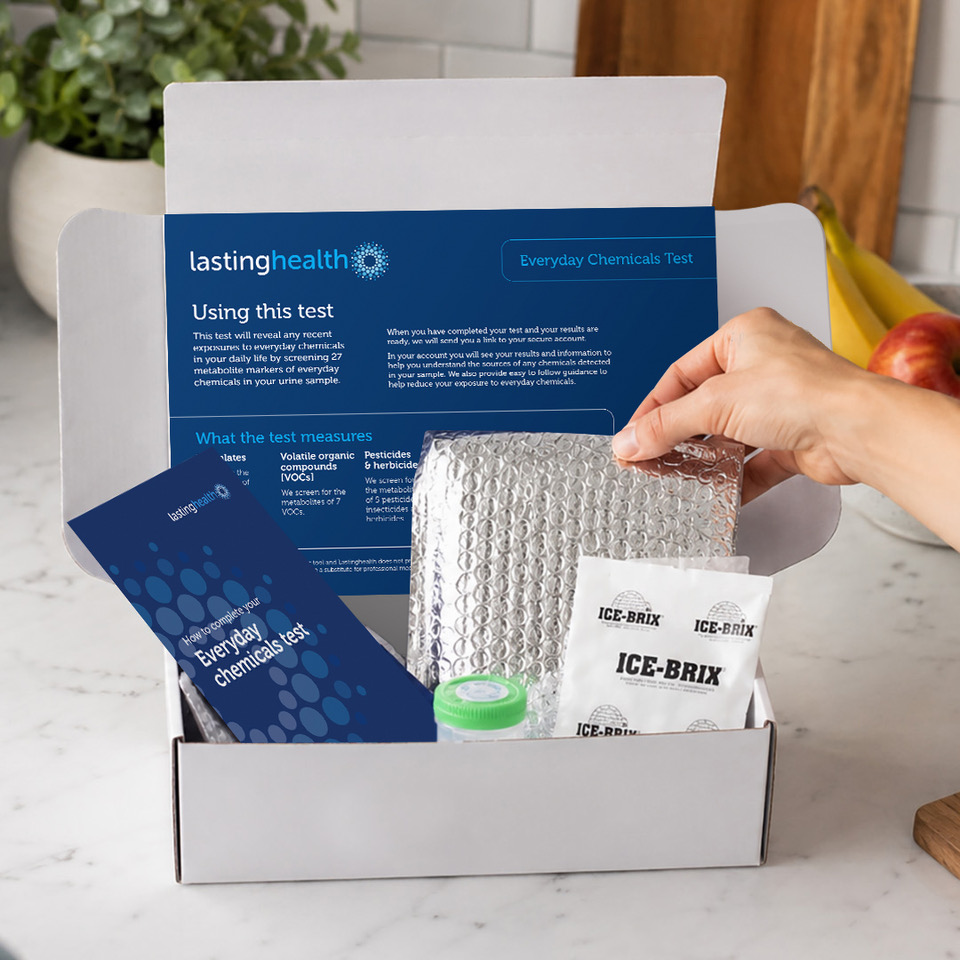
lastinghealth has launched the Everyday Chemicals Test, a simple at-home, urine screening test to help people understand recent exposure to the everyday chemicals found in their daily life. By understanding the sources of these chemicals, it is easier to make simple lifestyle changes and informed decisions to reduce future exposure, which lastinghealth believe may improve wellness and reduce some health risks.
A growing body of research points to a link between exposure to everyday chemicals and increased risk of developing some health conditions including cancer and low fertility rates. lastinghealth screens 27 metabolite markers to indicate exposure to chemicals including phthalates, parabens, pesticides, herbicides, VOCs and other chemicals we encounter every day, including glyphosate and BPA.
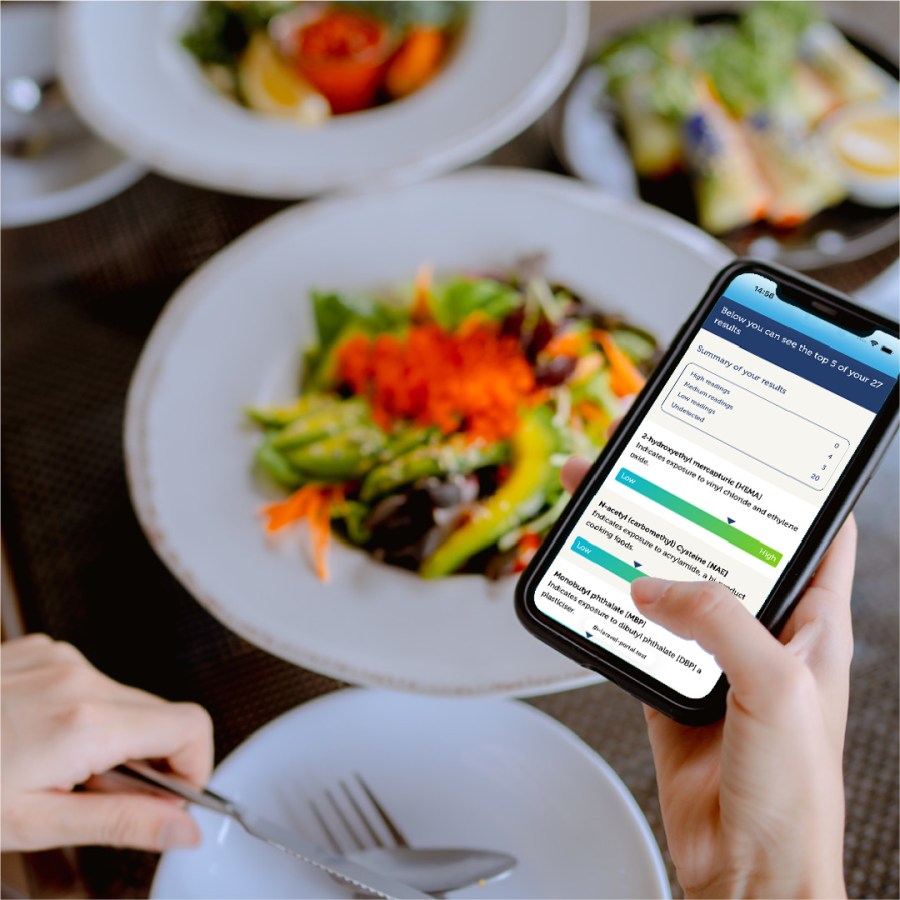
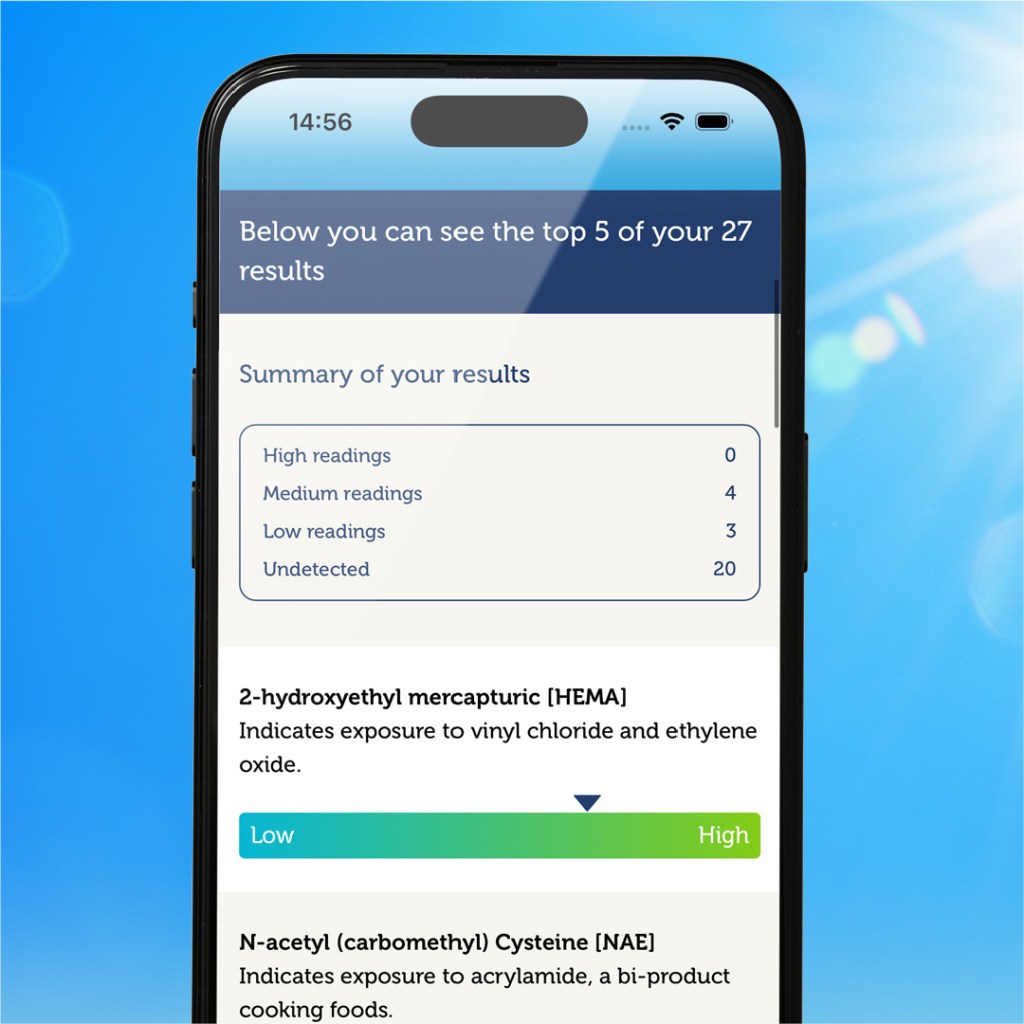
The simple testing process involves a first-morning urine test, which is frozen overnight, returned free of charge, and analysed by an accredited laboratory using LC-MS/MS (Liquid Chromatography + Advanced Mass Spectrometry) technology. The results are available via a secure online portal, which explains the likely sources of any detected chemicals, and includes a full results report, as well as helpful lifestyle guidance to help reduce exposure.
5 top tips to reduce exposure to everyday chemicals
- Avoid plastic water bottles – A one litre plastic bottle may contain up to a quarter of a million tiny microplastic particles, known as nanoparticles. Drinking tap water from bottles made from steel or toughened glass will reduce your exposure.
- Take your shoes off at the door – Pesticides, tyre dust and traces of petrol linger on the soles of our shoes, so taking them off at the door or leaving them in a porch will prevent transporting them around the house.
- Check your chopping board – Chopping boards, especially polypropylene-based, contaminate food with microplastic particles when they break away and leach into food. Switch to boards made with natural materials instead.
- Wipe down electrical devices – the heat from electrical devices such as TVs and computers is a magnet for microplastic dust, so wipe surfaces down regularly to remove dust residue.
- Avoid Ultra-processed foods (UPFs) – UPFs are formulated with a chemical base of texture enhancers and emulsifiers,. The only way to avoid them is to cook everything from scratch using fresh ingredients, and switch to organic ingredients such as flour, bread, and cereals grown without chemical pesticides and herbicides.
For a one-off investment of £299 you can establish your exposure to everyday chemicals. Order now at lastinghealth.com
Sun safety – minus the chemicals
With summer now upon us, it’s also worth bearing in mind that chemical substances are also widely used in sunscreen formulations. With so many options available, are there any ingredients worth giving a miss? And the answer is yes – oxybenzone (OBZ) is a widely used ingredient in sunscreens and is a suspected endocrine disruptor.
5 tips for choosing and using sunscreen
- Look beyond the SPF rating
SPF tells you how much protection a sunscreen offers against UVB rays, but it’s also worth checking the ingredients list to understand what’s in the product you’re using. - Check the ingredients before you buy
Consider using apps such as YUKA to scan products and review their ingredients. If you’re looking to reduce exposure to certain chemicals, watch out for oxybenzone (also known as benzophenone) and octocrylene, which some consumers choose to avoid. - Make sure your sunscreen is still in date
Most sunscreens have a shelf life of around three years if stored correctly. Before heading on holiday, check expiry dates and replace any products that are out of date or have been exposed to excessive heat. - Take your sunscreen with you when travelling
Ingredient regulations can vary from country to country, so if you have a preferred sunscreen, pack enough to last your entire trip. This also helps ensure you’re using a product you know and trust. - Apply enough sunscreen – and reapply regularly
Many people simply don’t use enough sunscreen to achieve the level of protection stated on the bottle. Follow NHS guidance by applying generously and reapplying throughout the day, especially after swimming or sweating. If you use a mineral-based sunscreen, you may need to apply a larger amount to ensure effective coverage.