
From strength training and better sleep to stress management and nutrition, experts separate evidence from hype and reveal the daily habits that may help slow biological ageing and extend your healthy years
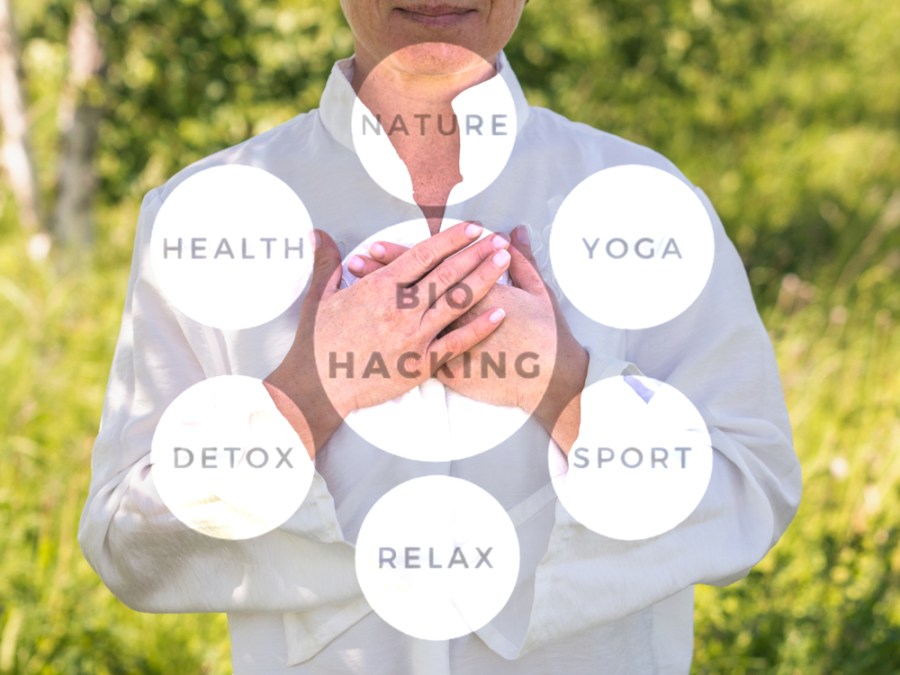
In a world where the topics of anti-ageing and longevity sit in the heart of the wellness industry, biohacking has been added to the mix. Whilst all three centre on ageing well, the latter is somewhat nuanced and needs to be broken down to properly understand what biohacking is. In a nutshell, we obviously can’t completely halt the aging process of our bodies but there are many things that can be done to reverse signals that make women feel older than they are.
What is Biohacking?
To put it simply, Biohacking involves experimenting with ways to improve our health and longevity. This can be done in several ways, as explained below, but a quick word of warning to those new to the topic: approach with caution. Follow the medical experts advice below if you want to do it correctly and avoid exaggerated promises by “wellness influencers” – a lot of whom are responsible (or in many cases irresponsible) for driving the trend of biohacking on social media.
“Biohacking our biological age means using the latest science to make changes to our body that slow down cellular aging and improve overall health, brain function, or athletic performance. Interventions can be lifestyle-based — physical activity, sleep, diet, wearables — or sometimes people swear by supplement and medication-based pills but these need to be treated with caution,” explained longevity advisor Marwa Ahmed, CEO of www.thebmcoach.com
According to dietician Ashley Koff www.thebetternutritionprogram.com the concept is one that distinguishes chronological age from cellular or metabolic age. This focus means we can reduce chronologic expected signs of aging by optimizing cellular and metabolic functions.
“For someone who doesn’t want to feel like their chronologic age defines them to the extreme, the appeal of biohacking is that it is proactive and can delay or reverse the stereotypical signs of aging. It aligns well with the concept of health span vs lifespan where we want to live as healthy as possible for as much of our lives as possible vs the idea of just living longer.”
So what does biohacking involve and does it actually help slow, halt and potentially turn back your biological clock? We asked Dr Angela Rai, GP and longevity expert at The London General Practice https://www.thelondongeneralpractice.com/ to weigh in on this.
“When we speak about longevity and biohacking, we’re not simply referring to living longer. We’re talking about living better—maintaining vitality, independence, cognitive clarity, and emotional wellbeing for as many years as possible. Longevity is about extending health span, not just lifespan, so increasing the number of healthy years lived. Biohacking is all about optimising our health to live free from disease and keep well for as long as we can.
“This is a new era where the science of ageing is advancing rapidly. One of the most exciting shifts we’re seeing in longevity medicine is a complete change in how we think about health. Longevity education has opened the door to a new mindset — one where people are no longer satisfied with “baseline” health. Instead, they’re aiming for optimal health, for feeling their best, and for staying well for as long as possible.
“One of the most exciting developments is the ability to measure biological age — a more accurate reflection of how well our cells and systems are functioning compared to our chronological age. This is where biohacking comes into play.”
Time matters
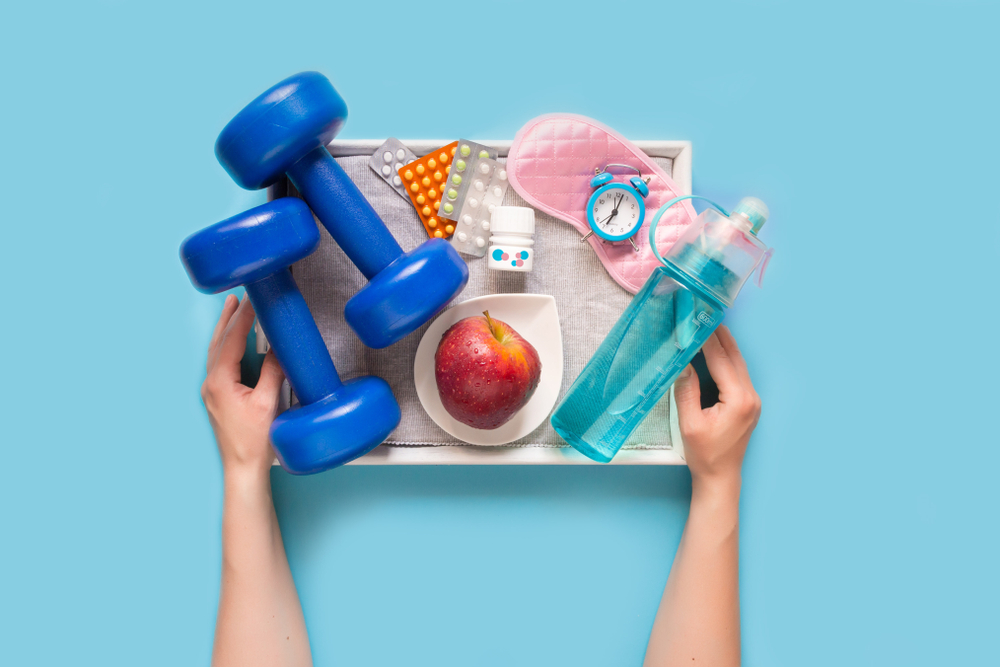
Despite claims by influencers who have no medical background that things like juice cleanses, detox supplements, diagnostic tests and supplement stacks can help with biohacking, these are completely false and should be left well alone. The truth is there is no magic pill you can take to reverse your age but there are steps you can try to implement over time.
“When it comes to the science-backed strategies for reversing your biological age, I often think in terms of four pillars that consistently support healthy ageing: exercise, nutrition, sleep, and stress management,” explained Dr Rai.
“Exercise improves metabolic health, supports brain function, reduces inflammation, and is associated with healthier biological ageing.
“Nutrition, including emerging evidence around fasting and time‑restricted eating, can improve insulin sensitivity, reduce inflammation, and activate cellular repair pathways.
“Sleep is a major determinant of long‑term health, supporting immune function, metabolic balance, and cognitive resilience.
“Stress management is biologically protective. Chronic stress accelerates ageing, while mindfulness, social connection, and time in nature help slow it.”
Interestingly, having studied the “Secrets of Blue Zones” – the five places around the world where people live long healthy lives to over 100 years of age – Dr Rai has highlighted below the nine evidence based common denominators that were found in these communities which are thought to be the key to living longer healthier lives.
So, what are the nine “secrets” to slow the ageing process?
Move naturally – moving naturally in your environment, walk as much as you can during the day and engage in activities such as gardening and household chores. Try low intensity workouts including yoga, Pilates, stretching and body weight exercises.
Purpose – Have a purpose to live and a reason you wake up every morning. The Japanese call it Ikigai. Find fulfilment. Take up a hobby or do some volunteering or charity work.
Downshift – Reduce stress as it causes chronic inflammation, have mechanisms or tools to reduce stress levels on a daily basis; do breathing exercises, meditate, practice mindfulness. Prioritize your sleep.
80% rule- (Hara Hachi Bu in Japanese teachings). Eat until you are 80% full, the remaining 20% is the difference between gaining and losing weight and eating this way promotes better digestion.
Plant Slant- eating a plant-based diet rich in vegetables, beans, fruits and wholegrains. Reduce or limit processed foods and sugar.
Wine – drink alcohol in moderation, small amounts and no binge drinking.
Belong – having a sense of belonging. Research showed that faith-based communities have a longer life expectancy.
Loved ones first – prioritising family and caring for them when needed. Keep good relationships with parents, children and grandchildren.
Right tribe – having social circles that support healthy behaviours.
The bottom line is exercise and nutrition plays a huge part in biohacking. This is even more evident by research taken by the British Journal of Sports Medicine that revealed a 2023 analysis of more than 30 million people found 11 minutes of outdoor daily movement, a brisk walk, meant 23 percent lower risk of early death https://www.thelancet.com/journals/lanonc/article/PIIS1470-2045(13
It is a report that physician and two-time New York Times bestselling author Dr. John La Puma points to as proof that moving our bodies can help turn back our biological clocks.
“A brisk walk gives you sunlight, offers better quality air than outside, and improves metabolism,” he explained.
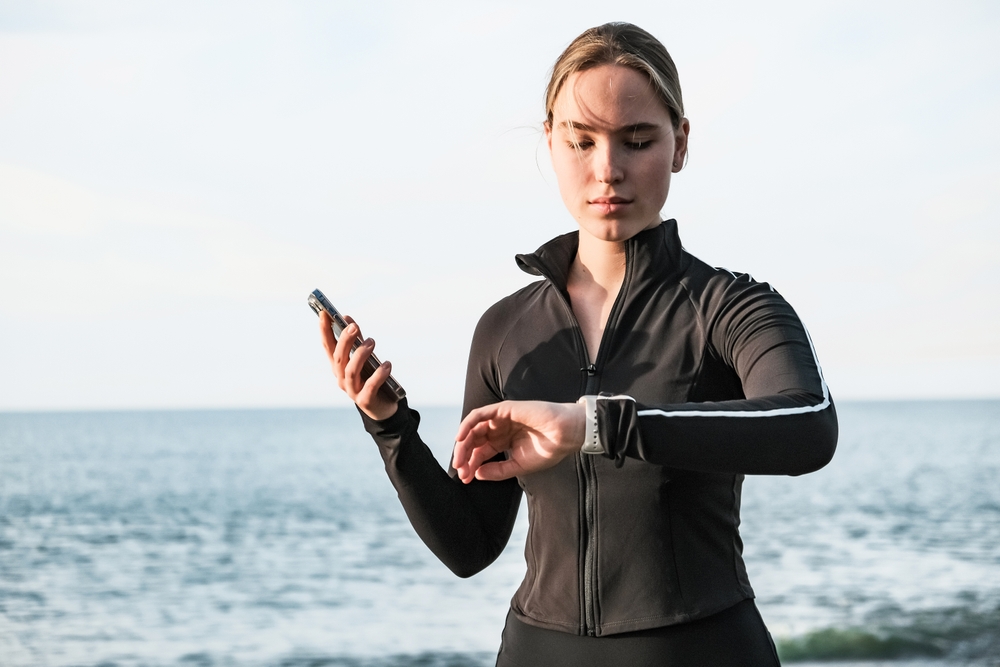
“By stepping outside within 60 minutes of waking without sunglasses and facing the open sky for ten minutes, you will set your circadian clock, allowing you to get brain cleaning of toxins that night and rebuild bone during deep sleep.
“Slowing aging for women relies on three habits daily: daytime before screen time in the morning, brisk movement outside, and darkness and coolness at night.”
As we age, building muscle through strength-based exercises is recommended to help keep our bones strong. And it is one of several things health practitioner Beth Meirav, owner of https://naturalweightlossflorida.com/about-us/ believes we should make a daily biohacking habit of.
“One of the biggest misconceptions I hear from my clients is that aging is something that simply happens to us. While we can’t stop the calendar, we have far more influence over how we age than most people realize,” she explained. “Health aging isn’t about chasing wrinkles or trying to look 25 again. It’s about creating an internal environment where your body can repair, recover, and thrive. Many of the same habits that improve energy, reduce inflammation, and support weight loss are also the habits associated with a healthier biological age.
“Here are the habits I encourage every client to focus on:
1. Build muscle—it may be the closest thing we have to an anti-aging medicine.
After 40, we naturally begin losing muscle mass unless we actively work to maintain it. Strength training two to four times per week improves insulin sensitivity, supports metabolism, protects bone density, improves balance, and helps us stay independent as we age. Muscle is metabolically active tissue, and preserving it is one of the smartest investments you can make for long-term health.
2. Prioritize protein at every meal.
Many women unknowingly eat far less protein than they need, especially at breakfast. Protein supports muscle maintenance, keeps blood sugar more stable, improves satiety, and provides the building blocks for repairing tissues throughout the body. I encourage clients to make protein a priority rather than an afterthought.
3. Reduce chronic inflammation by eating more real food.
One of the biggest shifts I see in my practice is what happens when people replace ultra-processed foods with whole foods like vegetables, fruit, seafood, eggs, Greek yogurt, legumes, and other minimally processed proteins. They often notice better energy, improved digestion, healthier skin, fewer cravings, and easier weight management. It’s rarely about perfection—it’s about giving your body better raw materials.
4. Protect your sleep like it’s part of your healthcare plan.
Sleep is when your body repairs tissues, regulates hormones, consolidates memory, and clears metabolic waste from the brain. Chronic sleep deprivation increases inflammation, raises cortisol, makes weight management harder, and accelerates many of the changes people associate with aging. Good sleep isn’t a luxury—it’s foundational.
5. Manage stress before it manages you.
Chronic stress keeps cortisol elevated, which can contribute to abdominal fat storage, muscle loss, poor sleep, and increased inflammation over time. I encourage clients to build simple stress-reducing habits they can actually maintain, whether that’s walking outdoors, practicing deep breathing, spending time with loved ones, journaling, or simply taking intentional breaks during the day.
6. Stay socially connected and keep learning.
One of the most overlooked longevity habits has nothing to do with food. Strong relationships, a sense of purpose, laughter, and continuing to challenge your brain all contribute to healthier aging. The healthiest people I know aren’t just physically active—they’re mentally curious and socially engaged.”
Biohacking takeaway
Don’t try to overhaul your entire life overnight. The women who age the healthiest aren’t the ones following extreme diets or searching for the newest supplement. They’re the ones who consistently practice simple habits that support their bodies year after year.
Healthy aging and biohacking is less about finding the perfect anti-aging hack and more about creating daily routines your future self will thank you for. Small, sustainable choices made consistently are what truly move the needle—not just on lifespan, but on health span, so you can continue feeling strong, energetic, and fully engaged in life.