

Health Coach Steve Bennett explains that while the NHS marathon campaign gets the basics right, there’s one important detail that’s barely being talked about
When NHS England launched its new ‘marathon a month’ challenge, encouraging people to walk the equivalent of a marathon over four weeks while earning rewards and discounts along the way, my first thought was: finally.
Anything that gets the nation moving deserves applause. Walking is free, accessible and one of the most powerful things you can do for your health. In fact, movement really is medicine.
But there’s one important detail missing – It’s not just how much you walk that matters – It’s when you walk.
The timing could change everything
Most people think a 30-minute walk is a 30-minute walk, but from a metabolic perspective, that’s not necessarily true. After you eat, particularly a meal rich in carbohydrates, your blood glucose rises. In response, your body releases insulin to help move that glucose into your cells.
Take a brisk 20-30 minute walk within around an hour of eating, however, and something remarkable happens.
As your muscles contract, they can absorb glucose directly from the bloodstream while you move. Numerous studies have shown that a post-meal walk can blunt the spike in blood sugar and reduce the amount of insulin your body needs compared with sitting on the sofa.
That means steadier energy levels, improved blood sugar control and, over time, better metabolic health.
If you’re trying to lose weight, prevent type 2 diabetes or simply avoid that afternoon energy crash, the timing of your daily walk may be almost as important as doing it in the first place.
Is 30 minutes really enough?
For most people, yes. The NHS recommends at least 150 minutes of moderate-intensity exercise each week. Walking briskly for 30 minutes a day comfortably exceeds that target.
Done consistently, it can reduce your risk of heart disease, stroke, type 2 diabetes and several cancers while improving mental wellbeing and helping maintain a healthy weight.
A brisk pace means you’re breathing harder than normal but can still hold a conversation. You don’t have to power walk like you’re late for a train, just move with purpose.
And the benefits don’t stop there. A 2022 study published in JAMA Neurology study involving more than 78,000 adults found that around 10,000 steps a day was associated with the greatest reductions in the risk of dementia, cardiovascular disease and several cancers.
The good news? The biggest gains happened long before people reached that number. Even around 5,000 daily steps was linked with significantly better health than being sedentary.
So if 10,000 feels overwhelming, don’t let it put you off. Thirty minutes is a genuinely worthwhile place to start.

But walking isn’t a magic bullet
Where I think we sometimes oversimplify the message is around weight loss. Walking certainly burns calories and improves insulin sensitivity, but exercise alone rarely overcomes a diet that’s consistently high in ultra-processed foods and excess calories. Your hormones influence how your body stores and uses energy, while the foods you eat affect hunger, blood sugar and appetite throughout the day. The most effective approach isn’t choosing between diet or exercise. It’s combining both.
How does walking compare with other exercises?
Swimming
Swimming delivers many of the same cardiovascular benefits as brisk walking while being completely low impact. For anyone with arthritis, joint pain or carrying excess weight, it’s an outstanding option because it protects the knees, hips and ankles while still getting the heart working.
Cycling
Moderate cycling offers similar cardiovascular benefits and can be easier to sustain for longer periods. It’s kinder on the joints than running and an excellent choice for improving fitness, particularly if commuting by bike is an option.
Pilates
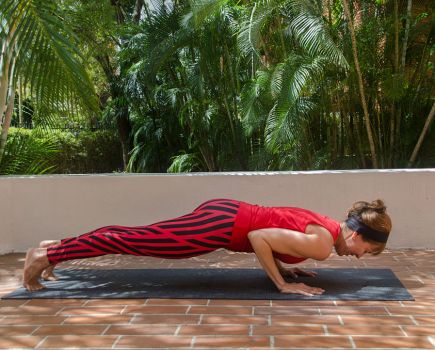
Pilates is different. Rather than replacing walking, it complements it. It won’t usually raise your heart rate enough to provide the same cardiovascular benefits, but it excels at improving core strength, posture, flexibility, balance and joint stability. Those benefits become increasingly valuable as we age, particularly for women navigating perimenopause and menopause. hink of walking as improving your engine. Pilates helps keep the rest of the vehicle running smoothly.
Three things I’d add to the NHS campaign
The Marathon Month challenge is an excellent starting point, but if I could add three pieces of advice, they’d be these.
Walk after meals whenever you can. Even a 15-20 minute stroll after lunch or dinner may help reduce post-meal blood sugar spikes.
Lift something twice a week. Resistance training builds muscle, improves insulin sensitivity, supports bone health and helps preserve strength as we age. You don’t need a gym—press-ups, squats, lunges and resistance bands all count.
Don’t ignore your diet. Walking and nutrition work together, not against each other. Consistent movement combined with a balanced diet will always outperform either approach on its own.
The bottom line
The NHS deserves credit for making exercise feel achievable rather than intimidating.
For many people, this challenge could be the first step towards lasting lifestyle change. But if you want to get even more from those daily walks, don’t just ask yourself whether you’ve done your 30 minutes.
Ask yourself when you did them. Sometimes the smallest tweak can unlock the biggest benefits.
Steve Bennett is a – PCI-Qualified Health Coach and Clubwell Founder and the author of several health books, including Primal Cure: Avoid Being a Sick Statistic, Primal Gourmet, Fat & Furious, Fibre First, and Sugar Tolerance – a book on why 99% of diets fail and how to join the 1% club