
From your pelvic floor and foot muscles to your calves, grip and glutes, experts reveal the often-overlooked muscles that can help you stay strong, steady and independent as you age
Pics: Getty Images
The muscles women over 60 often overlook
If you are an active 60-year-old, you may think you’re training all your muscles, but there are some lesser-known ones you could be missing. From your pelvic floor to your forearms, discover the hidden muscles that can make a difference to life after 60.
As we age, our muscles become even more important because they help us do everything from staying on our feet to getting up off the floor. With muscle strength and mass naturally declining as we get older, there’s even more reason not to ignore them.
However, whilst most people know they have muscles in their arms, legs and abs, there are some less visible ones that need just as much attention. Below, we look at what they are and ask the experts why they matter so much, as well as for some suggested ways of exercising them.
Yes – you can even put your pelvic floor through a workout.
Don’t forget your foot muscles
With a busy clinic of older women, Dr Mike Daniels, a podiatric surgeon and President and Chief Medical Officer of We Treat Feet Podiatry, has seen numerous patients neglect their foot muscles.
“From a podiatrist’s point of view, the muscles women tend to overlook after 60 are often the ones that let them stay steady, get up from a chair, protect their joints, and move without having to think about every step. I see what happens when these are neglected in the lower extremity all the time,” explained Dr Daniels.
“A woman may come in because of forefoot pain, ankle instability, knee discomfort, or repeated tripping. The foot is where the problem finally shows up, but weak hips, calves, intrinsic foot muscles, and poor balance control are often part of the story.
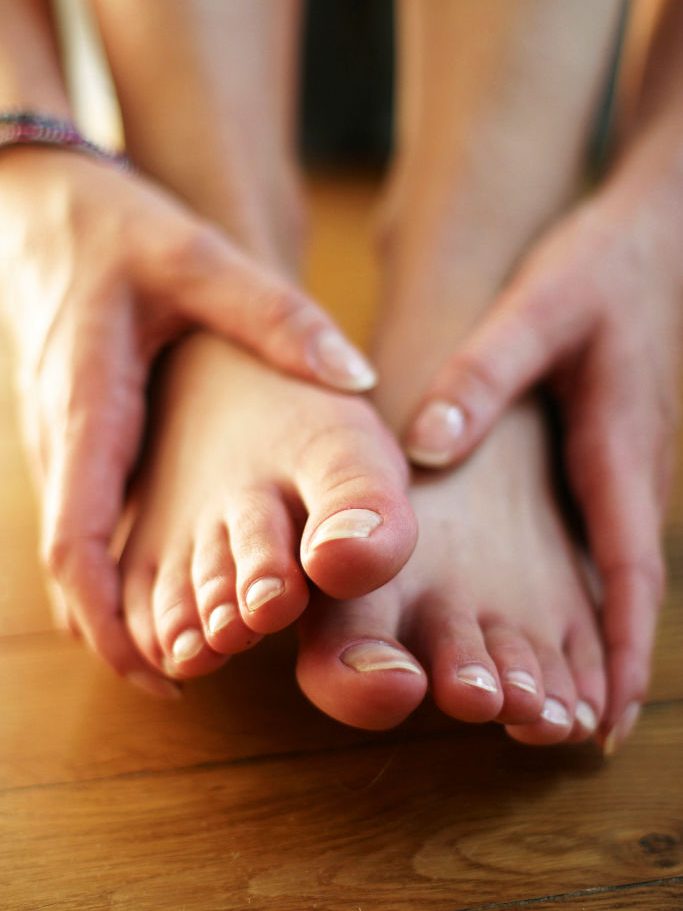
“The small muscles inside the feet are easy to ignore because most people never think of the foot as a structure that needs strength training. These intrinsic foot muscles help stabilise the arch and control the toes. They work with the muscles in the lower leg every time we stand, walk, or adjust to an uneven surface.
“After 60, reduced foot strength can show up as toe gripping, arch fatigue, worsening balance, or trouble tolerating long walks.”
Simple exercises for your foot muscles
“I often start patients with a short-foot exercise. While seated or standing, keep the toes relaxed and lift the heel up without curling the toes. Then for movement do towel scrunches or picking up marbles. Both are helpful, but they can encourage excessive toe gripping if done poorly.”
Why your pelvic floor matters after 60
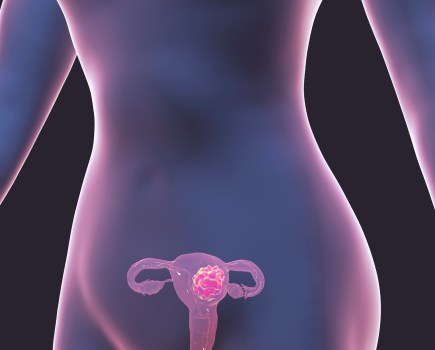
Whilst many women know they have a pelvic floor, it’s easy to overlook the fact it is a group of muscles that can be strengthened and trained.
According to Dr Daniels, the pelvic floor deserves attention because it is a group of muscles that support the bladder, bowel and pelvic organs.
“They also work with the diaphragm, abdominal wall, and hips when a woman lifts groceries, climbs stairs, or exercises. While I don’t treat the common bowel and bladder issues, the foundation of ambulation has a starting point here.”
How to exercise your pelvic floor
“Properly performed pelvic-floor contractions help with balance and ambulation,” explained Dr Daniels. “I tell patients to do Kegel exercises for strengthening. I usually recommend these when the instability or balance issues are also accompanied with incontinence or a related condition, as you can draw a direct correlation.”
To do Kegel exercises, imagine you are trying to stop yourself from passing urine and wind at the same time. Gently squeeze and lift those muscles and hold for around three seconds. Relax and then repeat for about eight repetitions.
Once you get the hang of it, you can do them almost anywhere – even whilst reading this article.
Why you shouldn’t overlook your calf muscles
Our calf muscles may be well known, but they are often overlooked – and exercising them is particularly important as we get older because they help us stay balanced and move efficiently.
“Calf strength is underestimated until a woman notices she cannot push off normally when walking, keep pace with friends, or feels unstable standing on even ground,” added Dr Daniels.
“The calf complex includes the gastrocnemius and soleus. It helps move the body forward and controls the ankle as the foot meets the ground. In my office, this is one of the most practical muscle groups to preserve.
“Weak calves can contribute to a shuffling gait, reduced walking endurance, and less confidence on stairs.”
Try these simple calf exercises
“Calf raises are simple and useful. Start with both hands lightly touching a kitchen counter. Rise onto the balls of both feet, pause briefly, then lower slowly.
“If that is too difficult, begin seated with the feet flat and lift the heels from the floor. Once it becomes easy and balance is reliable, progress to one-leg calf raises.
“Pain at the Achilles tendon, heel, or forefoot is a reason to slow down and get assessed instead of pushing through it.