
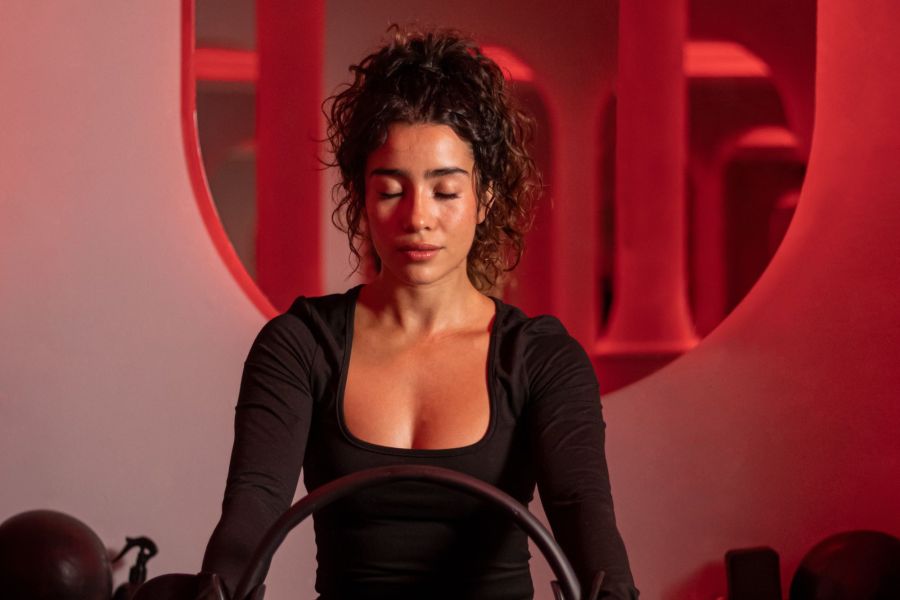
Pilates has dominated the fitness scene in recent years – and with new styles and trends constantly emerging, it’s clear that Pilates fever isn’t going anywhere. The latest trend, red light Pilates, promises to serve up a full-body workout and recovery session in one – here’s how it works.
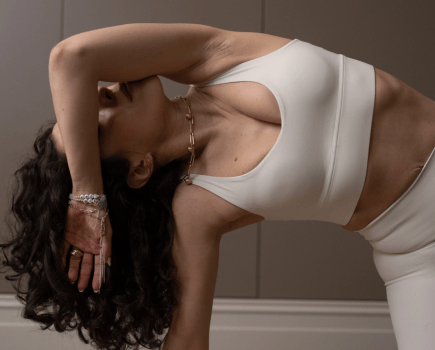
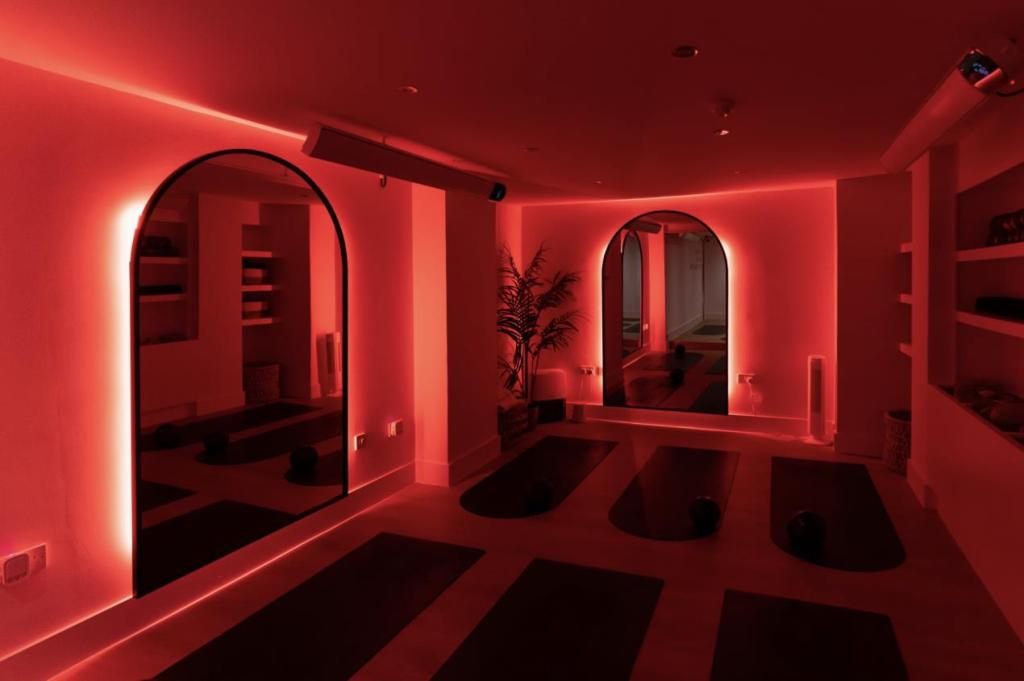
If you’re a fan of Pilates, you’ve probably seen pictures of dimly-lit red studios popping up across your socials. While it might look like a fad at first glance, red light Pilates is gaining huge momentum for good reason. Combining classic Pilates moves with red and near-infrared light therapy, each class is designed to build strength, core stability and full-body mobility – while also kick-starting the recovery process.
How red and near-infrared light therapy work
Red light Pilates usually combines two different forms of light therapy: red light and near-infrared light.
Red light is visible and works on the surface, aiding with skin health and promoting relaxation. On the other hand, near-infrared light therapy uses invisible, lower-frequency wavelengths that deeply penetrate the skin to reach your joints, muscles and connective tissues, where it can help to ease pain, inflammation and stiffness.
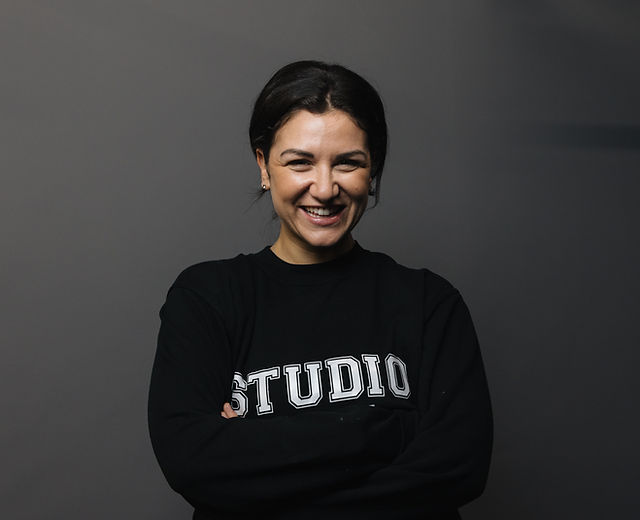
‘Red and near-infrared light are different wavelengths, used for different purposes but often together in wellness settings,’ explains Georgia Testa founder of Studio 281. ‘Rather than replacing Pilates itself, the light complements the experience while clients focus on controlled movement and strength.’
Red light Pilates is delivered in a couple of different ways. At some studios, the red light is delivered only via wall panels. Other studios take it one step further with the addition of red light-emitting mats. ‘At Studio 281, the red light isn’t simply lighting the room,’ Georgia tells us. ‘It’s delivered through specially designed mats that emit both 660nm red light and 850nm near-infrared light throughout the class. Because your body remains in contact with the mat as you move, you’re receiving continuous exposure during the session.’
A workout and recovery session in one
As red light and near-infrared light therapy work to reduce inflammation and muscle pain, red light Pilates supports your post-workout recovery while you’re still working out. This two-in-one offering is a big draw for those who are short on time – or who tend to neglect their recovery altogether.
‘For a lot of the people, the barrier to consistency isn’t motivation, it’s time,’ comments Georgia. ‘Between work, family and everything in between, fitting in a strength session and a recovery session most weeks is unrealistic, so one of them usually gets dropped, and it’s normally recovery.’
‘Rather than treating movement and wellness as two separate commitments competing for the same hour, more people are looking for one session that does both,’ she adds. ‘Red light Pilates has become one of the clearest examples of that shift: not more workouts, but workouts that do more. More clients are asking how they can build strength, support recovery, and stay active for decades – rather than simply pushing themselves harder every workout.’
Enhance the benefits of Pilates workouts
Red light Pilates isn’t about replacing classic Pilates forms and styles – it’s about enhancing the benefits of your practice even further. ‘Pilates is already fantastic for improving deep core strength, posture and muscular endurance, but layering red and near-infrared light into the experience reflects a growing interest in recovery becoming part of the workout, rather than something that’s only considered afterwards,’ Georgia explains.
‘Pilates is all about slow, controlled movement and precise muscle engagement,’ she adds. ‘The focus isn’t on rushing through repetitions, but on activating the right muscles with intention. For many people, combining that mindful style of movement with red light therapy creates a workout that feels restorative as well as strengthening.’
Enjoy a workout without the next-day aches
For many, post-workout pain and stiffness can be a huge barrier to exercise motivation. After all, we move to feel good and future-proof our mobility – so when you can hardly move the day after a workout, it can quickly feel a bit counterproductive.
This is where red light Pilates truly shines – because the addition of near-infrared light therapy works to offset muscle soreness before it begins. ‘While people often come to Pilates to build strength, they’re increasingly looking for workouts they can recover from well enough to stay consistent,’ explains Georgia. ‘Clients want to leave feeling challenged, but still able to move well the next day rather than feeling completely wiped out.’
‘Being able to move well the next day is, for me, the real shift,’ she adds. ‘Recovery isn’t the reward for the hard work. It’s what makes the hard work sustainable.’
Hot Pilates versus red light Pilates
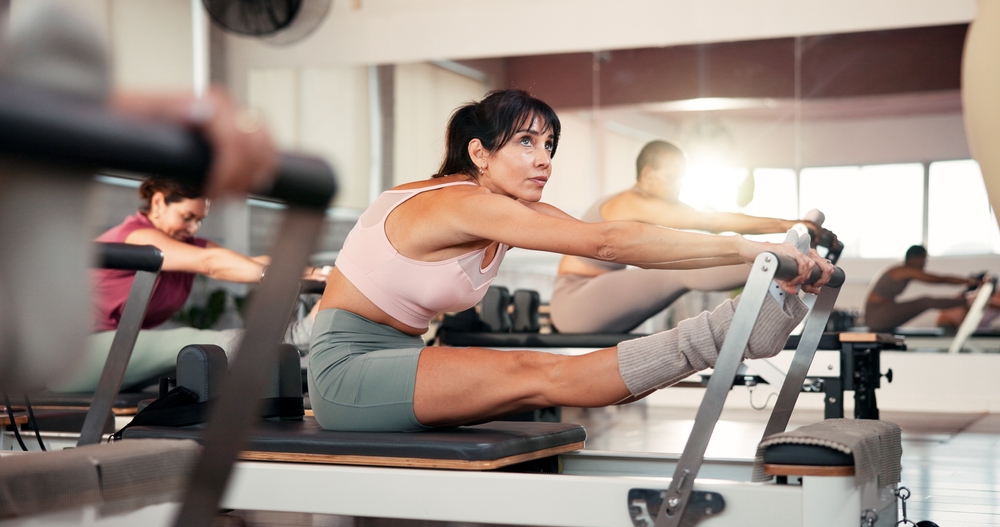
Red light Pilates and hot Pilates have both grown hugely in popularity in recent years, leading many people to assume they are the same thing. But according to Georgia, the classes – and benefits they offer – are significantly different.
‘People often assume red light Pilates is simply another version of hot Pilates, but they’re designed with different goals in mind,’ she tells us. ‘Hot Pilates centres around exercising in a heated environment, whereas red light Pilates focuses on combining Pilates with integrated red light therapy while maintaining a comfortable temperature.’
‘I wouldn’t class red light Pilates as hot Pilates,’ she adds. ‘The defining feature of hot Pilates is the heated environment, whereas red light Pilates is centred around the addition of red and near-infrared light during exercise. They use different technologies and create very different workout experiences.’
How red light Pilates represents a larger shift in fitness
According to Georgia, this new class doesn’t just represent a shift in how Pilates workouts are changing, but in how the fitness world is evolving as a whole. ‘Red light Pilates is one expression of a larger direction I see in fitness – one that treats strength and recovery as a single, ongoing practice rather than two separate demands on an already full week,’ she explains.
‘The future of fitness isn’t just about burning more calories or training harder,’ she adds. ‘People are becoming far more interested in longevity, recovery and consistency, and they want workouts that support all three. Pilates already fits naturally into that mindset, which is why red light Pilates feels like such a natural evolution.’
‘For me, that’s the real opportunity in combining wellness and movement: not a shortcut, but a more honest match for how busy people actually live,’ Georgia concludes. ‘Exercise should support people, not punish them.’
Georgia Testa is the founder of Studio 281, a premium boutique fitness and wellness brand that combines strength, conditioning and wellness in one location, creating a more sustainable way to move. With locations across Bedfordshire, Buckinghamshire and Hertfordshire, every offering is designed to work in harmony, supporting the body to perform, reset, recover and rebuild.