
Everyone has their own personal reasons for exercising: to get strong, to lose weight, to feel good – the list goes on. However, perhaps one of the biggest benefits of exercising that often flies under the radar is how effective it is for protecting your long-term health and longevity. But if you want to live a long and healthy life, is cardio the way to go – or should be you spending more time on mobility training?
From running and HIIT to yoga and hiking, we all have our favourite forms of exercising. But if you tend to focus only on cardio, without taking the time to strengthen, stabilise and mobilise your joints, you might not be doing your long-term mobility any favours.
‘When we talk about long-term health, cardio tends to get a lot of attention,’ comments Pilates teacher and movement practitioner Isobel Palmer. ‘And of course cardiovascular fitness is incredibly important. But we also need a body that can move well through everyday life.’
You might think getting your heart rate up regularly is the most important aspect of exercising, but neglecting other areas of fitness could lead to difficulties with your mobility later in life. ‘There’s little benefit in having great cardiovascular fitness if your joints feel stiff, movement is uncomfortable, or you’re struggling with the basic physical demands of your day,’ says Isobel.
What is mobility?
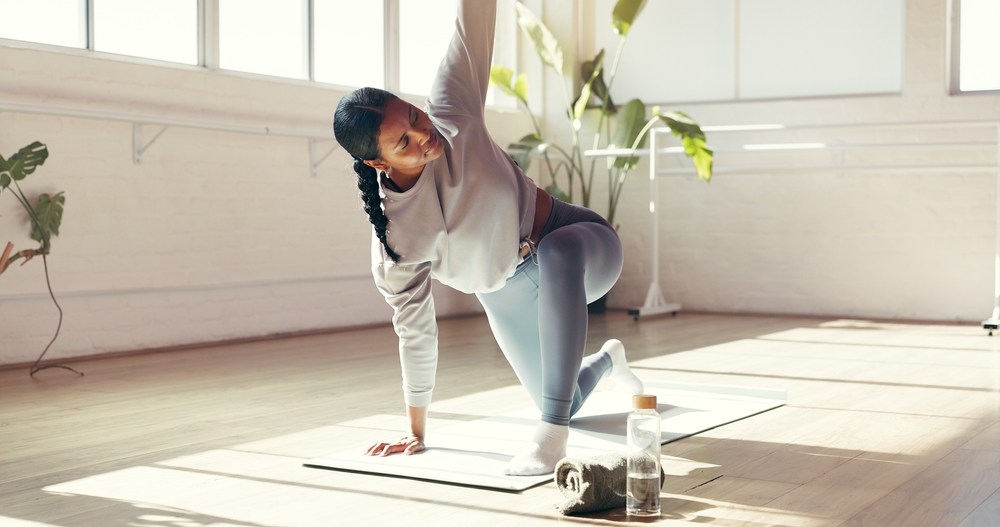
The term mobility gets thrown around a lot, but what does it actually mean in day to day life? ‘For me, mobility is really about having a healthy, usable range of movement,’ Isobel explains. ‘We need to be able to reach, bend, twist, squat, get down to the floor and back up again, carry things, walk comfortably and move our bodies in different directions.’
‘Good mobility also supports everything else we want to do for our health,’ she adds, ‘whether that’s strength training, running, taking a fitness class or simply staying active as we get older.’
Mobility and flexibility are often used interchangeably, but this is a myth that Isobel is keen to dispel. ‘Something I’m particularly passionate about is the difference between mobility and flexibility,’ she shares. ‘People often tell me they want to become “more flexible”, but I don’t think flexibility for flexibility’s sake needs to be the goal.’
While lots of people might think being able to touch your toes is the ultimate measure of mobility, Isobel stresses that your range of motion – and what you can do with it – is a better test of mobility than simply how far you can reach. ‘Being able to passively stretch further isn’t necessarily more useful or healthier,’ she explains. ‘What we really want is functional range: the ability to access an appropriate range of movement and have the strength and control to use it.’
‘This means thinking about the health and function of your joints and the muscles and connective tissues around them, rather than chasing an arbitrary idea of being flexible,’ she adds.
Cardio or mobility: which should you focus more on?
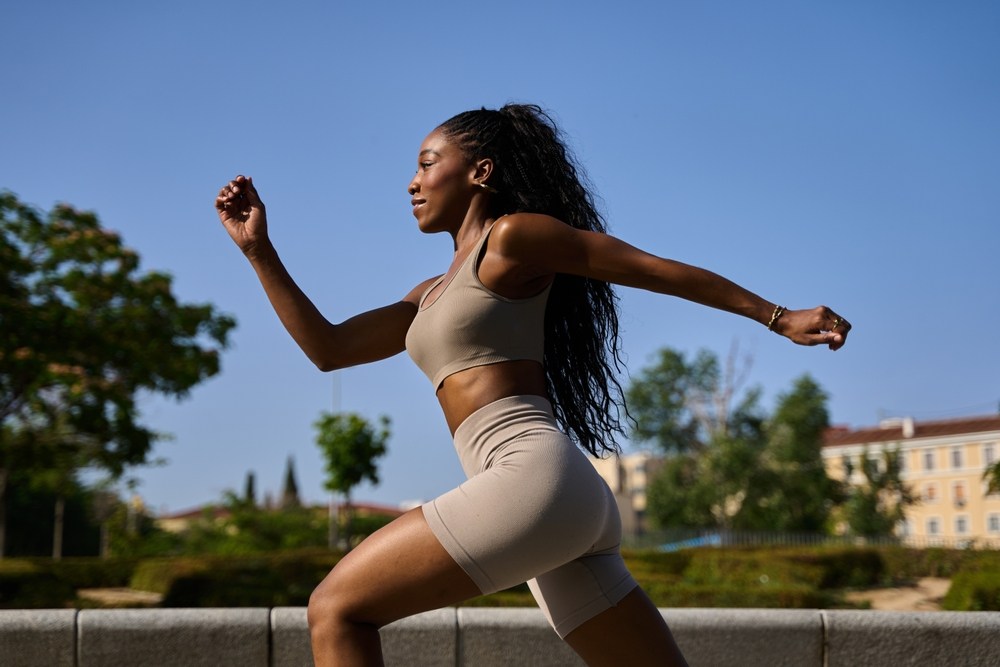
When it comes to which forms of exercise are the best for long-term health and longevity, it’s not necessarily about choosing one over the other. Instead, it’s about making sure you’re not solely focusing on one area while completely neglecting the others. For example, running three times a week without doing any strength training or stretching sessions could hinder your mobility as you age.
Ultimately, a well-balanced regime – incorporating cardiovascular endurance, strength training and mobility work – is key.
‘Mobility work can help us maintain movement options, identify areas where we’re particularly restricted and make everyday movement feel easier and more comfortable,’ Isobel explains.
While mobility work is important for long-term health and longevity, this doesn’t mean you should throw the towel in on your cardio sessions. ‘Cardio helps support the health of our heart and lungs, and mobility helps us continue to use our body well,’ Isobel adds. ‘For long-term health and independence, I don’t think we should view those things as competing priorities. We need both.’
Isobel Palmer is a Pilates teacher, movement practitioner and founder of LIM Studio, an intimate, boutique studio offering a variety of Pilates, yoga and barre classes in-person and online.