
From training Madonna to working with Hollywood stars including Kerry Washington and Kelly Rowland, celebrity Pilates instructor Nonna Gleyzer knows a thing or two about keeping women strong and in shape. Now 55 herself, she reveals the Pilates mistakes women over 50 should avoid, the exercises worth doing and why it’s never too late to start
Pics: Getty Images
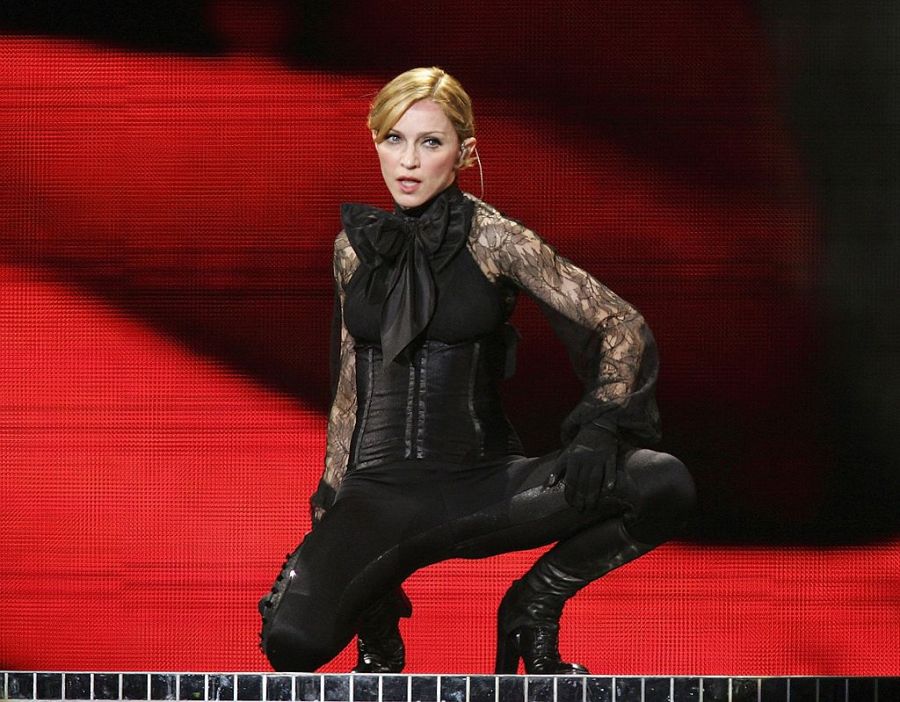
If there’s one woman who has always taken her fitness seriously, it’s Madonna. The 68-year-old singer has worked incredibly hard to maintain her strength, flexibility and famously toned physique over the years.
And one of the women who helped train her is celebrity Pilates instructor Nonna Gleyzer.
What Madonna’s former trainer says about Pilates after 50
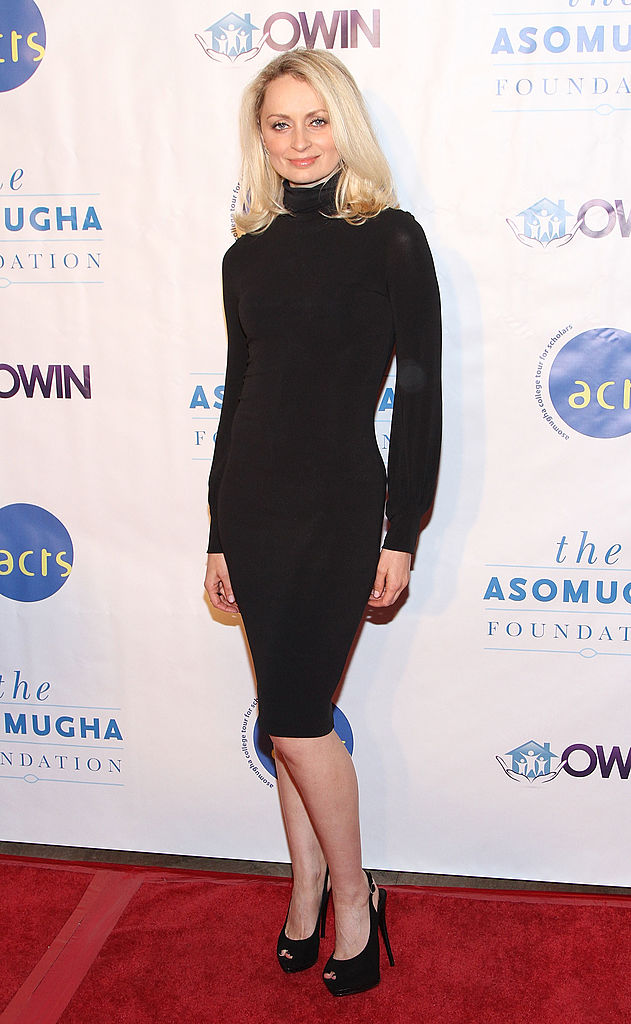
Having worked with Madonna during preparations for her 2006 world tour, Nonna went on to become one of Hollywood’s most sought-after Pilates instructors, with a client list that includes Gisele Bündchen, Natalie Portman, Sting, Kerry Washington and Kelly Rowland.
But whilst training some of the world’s most famous women might sound glamorous, Nonna’s approach to fitness is surprisingly down to earth.
Now 55 herself, the Ukrainian-born instructor, who runs Body by Nonna in West Hollywood, believes that staying fit as we age isn’t about chasing a perfect body or spending hours exercising. It’s about consistency, knowing your body and understanding what really works.
And with Pilates more popular than ever, I was keen to find out whether women in their 50s and 60s are actually getting the most from their workouts.
Whilst Pilates might promise better posture, a stronger core and improved flexibility, according to Nonna, there are some mistakes that could be holding us back.
The biggest Pilates mistake women over 50 are making
With Pilates studios popping up everywhere and reformer classes becoming increasingly fashionable, you might assume that all Pilates workouts offer the same benefits.
Not according to Nonna.
“One of the biggest mistakes I see women over 50 making is assuming that every class labelled Pilates actually teaches authentic Pilates,” she explains.
She believes some modern classes are closer to conventional fitness workouts than the classical Pilates method, which places particular emphasis on controlled movement, alignment and precision.
Whilst these classes can still offer benefits, Nonna says women should pay attention to the instructor’s qualifications and whether exercises are being adapted to suit their bodies.
“Especially as we age, it’s not just about moving more. It’s about moving with intention, precision and purpose.”
What Madonna and Hollywood’s biggest stars taught her about fitness
Having trained some of the world’s most recognisable faces, Nonna has seen first-hand how much dedication goes into maintaining a strong, healthy body.
Madonna was her first major celebrity client, and Nonna has previously spoken about how the singer’s creativity and dance background influenced her approach to Pilates.
But there’s one quality she believes women can learn from her famous clients without having access to expensive private trainers. Self-discipline.
According to Nonna, the women she works with understand the importance of making time for their health, even when their schedules are demanding.
However, she is quick to point out that there’s no single workout that suits everyone.
“No two bodies are the same, and what works for one person may not work for another, regardless of their lifestyle or level of fitness.”
For Nonna, the secret is finding the right combination of strength, flexibility and control, rather than copying someone else’s routine.
Why your Pilates routine should change after 50
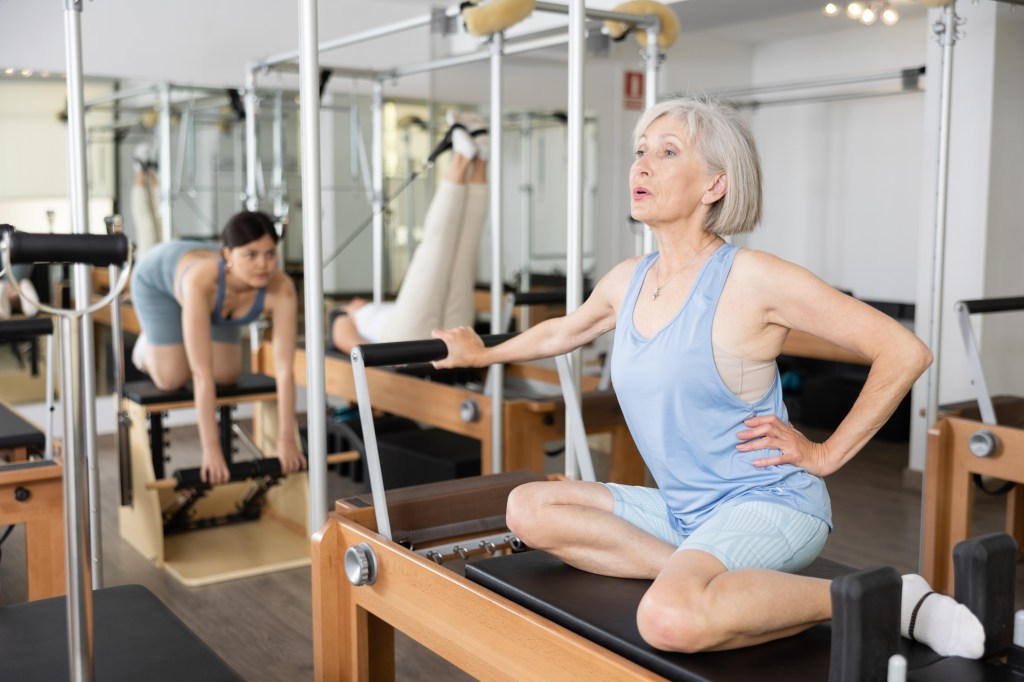
If you’ve been doing the same Pilates exercises for years, it might be time to rethink your routine.
According to Nonna, women in their 50s and 60s should pay particular attention to strengthening their legs, hips and pelvic region.
These muscles are essential for balance, stability and everyday mobility, all of which become increasingly important as we get older.
“As women enter their 50s and 60s, I believe it’s especially important to prioritise lower-body strength,” she explains.
Whilst core exercises remain important, she recommends placing greater emphasis on the lower body and maintaining healthy joint movement.
And that doesn’t mean slowing down simply because you’ve reached a certain age.
“The goal isn’t necessarily to exercise less as we get older, but to exercise more intentionally.”
Can Pilates really flatten a menopausal tummy?
It’s one of the questions many women want answered. Can Pilates help get rid of the stubborn belly fat that seems to appear during menopause?
The answer is yes and no.
Nonna is a huge advocate of Pilates for strengthening the abdominal muscles, particularly the deeper core muscles and obliques.
Regular practice can improve posture, abdominal strength and muscle tone, which may make the stomach appear firmer.
However, Pilates cannot specifically burn fat from your middle.
Hormonal changes during menopause can affect where women store body fat, meaning even the strongest abdominal muscles won’t necessarily result in a flat stomach.
“A flatter stomach requires more than Pilates alone,” Nonna explains.
She recommends combining Pilates with cardiovascular exercise, such as walking or jogging, alongside strength training, a balanced diet and sufficient sleep.
Why Pilates alone isn’t enough after menopause
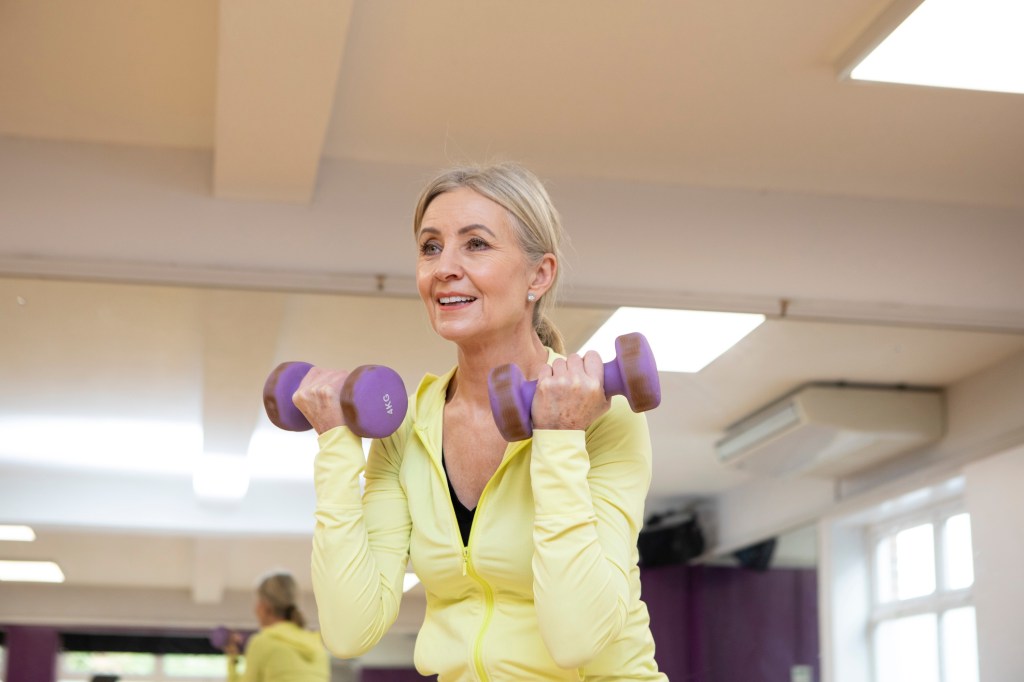
Whilst Pilates is excellent for flexibility, posture, balance and muscular endurance, Nonna doesn’t believe women over 50 should rely on it as their only form of exercise.
Traditional resistance training becomes particularly important as we age because it helps preserve muscle mass and supports bone health.
“While mat Pilates is a wonderful foundation for core strength, flexibility and body awareness, I don’t believe it’s enough on its own for women over 50,” she says.
She recommends equipment-based Pilates, particularly the reformer and Cadillac, which use springs to provide resistance.
However, she also encourages women to include separate strength-training sessions.
And although Pilates can improve strength and muscle tone, it shouldn’t be regarded as a complete replacement for progressive weight training, especially for women concerned about age-related muscle and bone loss.
The five Pilates exercises Nonna recommends after 50
So which exercises does someone who has trained Madonna and Hollywood’s elite actually recommend?
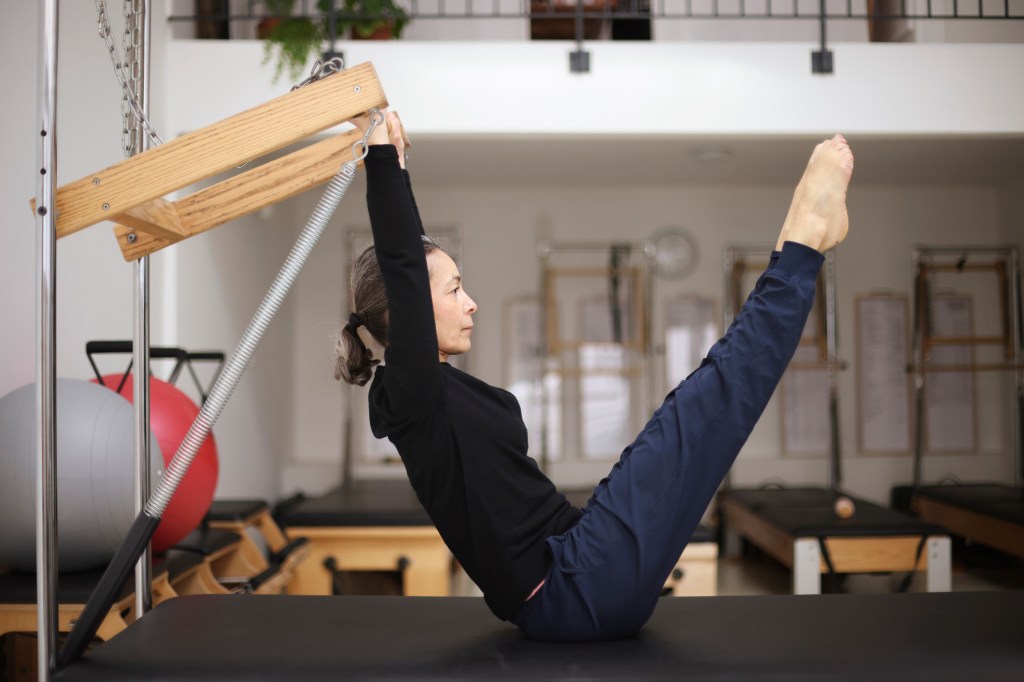
Nonna has five favourites, all drawn from the classical Pilates method. Most use specialist equipment, so they’re best performed with a qualified instructor.
1. Footwork on the reformer
This strengthens the thighs, hips and legs whilst improving lower-body alignment and stability. Nonna particularly likes it for supporting everyday movements such as walking and climbing stairs.
2. Tendon Stretch on the reformer
Designed to develop strength and control through the feet, ankles and calves, this exercise can help improve the stability needed for balance. It should be adapted to individual ability.
3. Running on the reformer
Despite its name, this doesn’t involve running. Instead, it uses alternating heel movements to encourage ankle mobility and stretch the calves and Achilles tendons.
4. Chest Expansion
This exercise works the shoulders, arms and upper back whilst encouraging better posture. It’s particularly useful for women who spend long periods sitting at a desk.
5. Stomach Massage on the reformer
Don’t be fooled by the name. This is a controlled exercise that works the legs and abdominal muscles whilst challenging spinal mobility, posture and coordination.
The important thing, Nonna stresses, is performing these exercises correctly rather than rushing through them.
How often should women over 50 do Pilates?
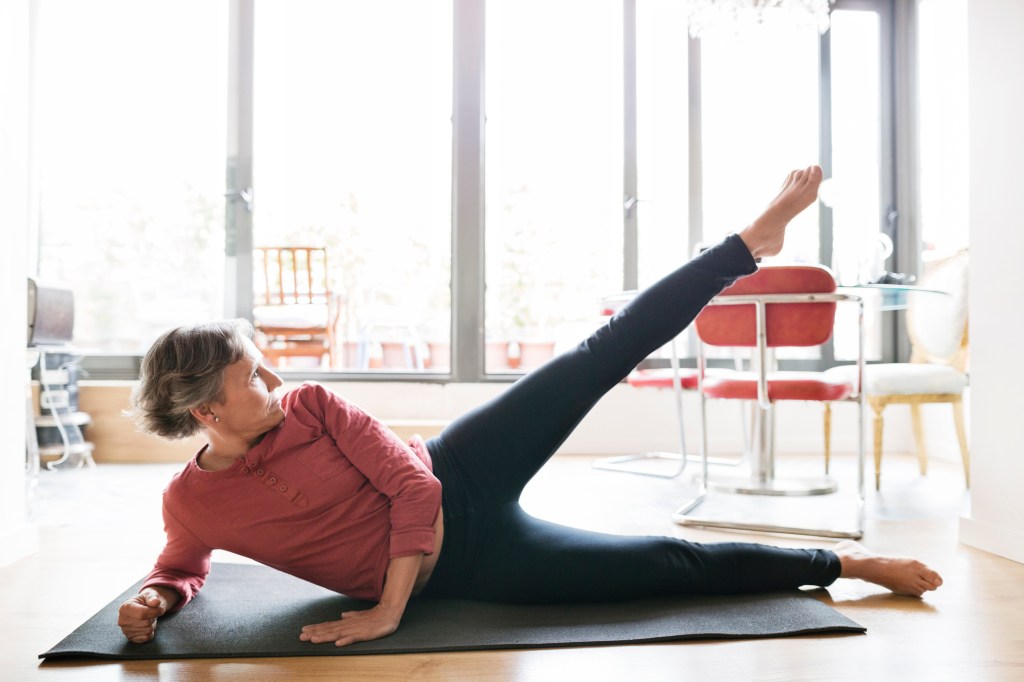
For women hoping to see improvements in strength, flexibility and posture, Nonna recommends practising Pilates two to three times a week.
Ideally, she suggests sessions lasting around 55 minutes.
However, the quality of the workout matters just as much as the duration.
And if you’re experiencing menopause-related fatigue, poor sleep or stiffness, she believes it’s important to adjust your workout rather than push yourself unnecessarily.
On days when a client has plenty of energy, Nonna may increase the intensity. But when someone is exhausted, she takes a gentler approach.
“Less is more in these cases,” she explains, adding that there’s little point in placing additional stress on a body that’s already struggling.
Women with osteoporosis, back pain or joint problems should also seek advice from an appropriately qualified professional before attempting challenging movements, particularly those involving significant spinal bending or twisting.
At 55, Nonna has three golden rules for ageing well
The three rules
Her three golden rules are refreshingly simple: listen to your body, stay consistent and, if an exercise doesn’t feel right, find an alternative that does.
Why it’s never too late to begin Pilates at 50
Perhaps the most reassuring thing about speaking to Nonna is that, despite her impressive celebrity clientele, she doesn’t believe women need to be exceptionally fit to benefit from Pilates.
In fact, she insists it’s never too late to begin.
“There is no such thing as being too old to start Pilates,” she says.
With different levels available, beginners can start slowly and gradually build their strength, flexibility and confidence.
And as a 55-year-old woman herself, Nonna understands that looking after your health becomes increasingly important with age.
“You have to become your own priority, your own biggest cheerleader, and your own best caregiver,” she says.
“Self-love isn’t selfish; it’s essential.”
And whilst most of us won’t ever have Madonna’s personal trainer standing beside us, that’s advice every woman can follow.
After all, staying strong and mobile in your 50s, 60s and beyond isn’t about looking like a Hollywood star. It’s about being able to enjoy life, stay active and feel good in your own body for as long as possible.