

Jennifer Aniston has one of Hollywood’s most admired physiques, but her trainer says the secret isn’t punishing workouts or chasing a smaller dress size. Instead, it’s following five simple strength-training principles that become even more important after 40
Ever since she burst onto our screens in Friends more than 30 years ago, Jennifer Aniston has become one of the world’s most enduring fitness inspirations.
From the iconic “Rachel” haircut to her lean, athletic physique, she’s spent decades proving that getting older doesn’t have to mean becoming weaker. At 57, she still looks remarkably strong – and according to the woman who trains her, that’s no accident.
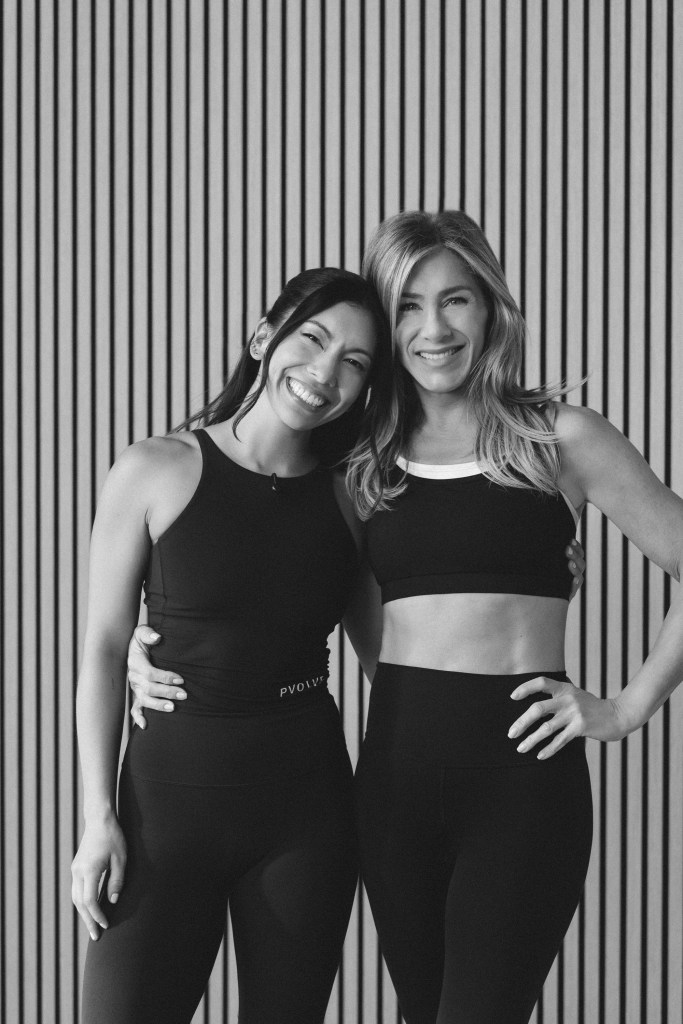
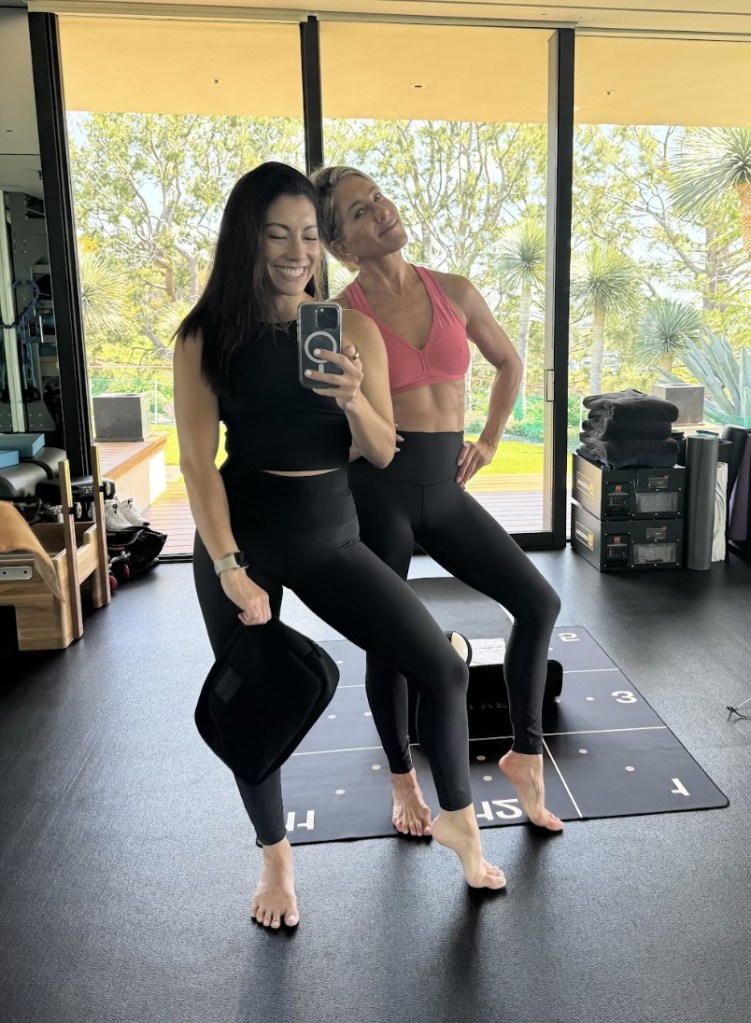
Jennifer has long spoken about her love of exercise and has credited Pvolve trainer Dani Coleman with helping her stay fit, healthy and resilient. But Coleman says one of the biggest misconceptions about Jennifer’s training is that it’s designed simply to make her look good.
“It starts with function,” she explains.
Rather than chasing aesthetic goals, Coleman says every workout is designed to help Jennifer move better, feel stronger and build a body that will continue performing well for decades to come. That’s an approach every woman can benefit from – not just Hollywood stars.
Jennifer’s first rule: Stop training for looks
One of the biggest lessons Coleman says she’s shared with Jennifer is to stop measuring success by what you see in the mirror.
“A few principles have guided our training together,” she explains. “The first is to shift your focus to function.”
Instead of chasing surface-level goals, Coleman encourages women to think about how their body feels and performs. Can you lift heavy shopping bags without discomfort? Get up from the floor with ease? Feel strong enough to keep up with your children or grandchildren?
That shift in mindset changes everything.
Jennifer’s workouts aren’t about burning the maximum number of calories or chasing exhaustion. They’re designed to build a body that works well today – and continues working well decades from now.
Coleman says another principle she returns to repeatedly is quality over quantity. “Intentional movement, proper alignment and mind-muscle connection will always create better biological adaptations than rushing through low-quality repetitions.”
She also encourages Jennifer to continually challenge herself through progressive overload while making recovery just as important as training itself.
“True strength isn’t built during the workout,” she says. “It’s built during recovery.” Finally, she believes consistency beats perfection every time.
“Don’t design a routine around your ideal schedule. Design one around your actual life.” Those simple principles, she says, are what create lasting health.
Why strength training becomes essential after 40
Jennifer isn’t lifting weights simply to stay toned. Like every woman, she’s working against one unavoidable fact of ageing.
“Once we reach our thirties, women begin losing around three to eight per cent of their muscle mass every decade,” says Coleman. “That loss accelerates during perimenopause and menopause as oestrogen declines.”
That’s one reason why strength training becomes increasingly important with age.
“Muscle isn’t just there to help you look strong,” she explains. “It behaves like an endocrine organ, supporting brain health, memory and mood regulation while helping offset hormonal changes.”
At Pvolve, those benefits come through functional movement rather than isolating muscles on machines.
“Real life isn’t moving in straight lines,” says Coleman. “It’s carrying shopping bags awkwardly, getting up from the floor, reaching overhead or reacting quickly to avoid a fall.”
Training through multiple planes of movement builds the kind of strength that matters outside the gym.
How often should women strength train?
According to Coleman, consistency matters more than marathon gym sessions. “For most women, three full-body strength sessions each week is the sweet spot.”
That gives muscles enough stimulus to grow while leaving enough recovery time between sessions. She also advises avoiding the temptation to train until complete exhaustion. “I recommend finishing around two or three repetitions before failure.”
That still provides enough challenge to stimulate muscle growth while reducing unnecessary stress on the joints and nervous system. “It’s about training smart enough that you can come back and do it again a few days later.”
How quickly can women expect results?
Many women assume meaningful changes take years. Coleman says that’s far from the truth.
She points to Pvolve’s Healthy Ageing Study, conducted with the University of Exeter, which followed perimenopausal and menopausal women over 12 weeks.
Participants increased lower-body strength by 19%, flexibility by 21% and reported a 23% reduction in fatigue, alongside improvements in lean muscle, balance and overall quality of life.
“It’s not an overnight transformation,” says Coleman. “But it shows that consistent, intelligent training works remarkably quickly—even for women who have never lifted weights before.”
Perhaps more importantly, those early gains create the foundations for greater independence later in life.
Is it ever too late to start?
If you’re in your fifties and feel you’ve missed your chance, Coleman has reassuring news. “Absolutely not.” She says the women in Pvolve’s research ranged from 40 to 60 years old, with improvements seen throughout the entire group.
“I’ve trained women who’d never touched a weight in their lives, and their bodies responded just as powerfully.” She compares strength training to building a savings account. “The sooner you start investing in muscle and bone density, the more freedom and mobility you’ll have later in life.”
Jennifer’s trainer’s advice for beginners
If you’re starting from scratch, Coleman recommends keeping things simple. First, choose exercise you genuinely enjoy. “Consistency begins with enjoyment.”
Secondly, don’t try to do too much too soon. “It’s natural to want quick results, but going from zero to one hundred usually ends in injury or burnout.”
Finally, measure the right things. “Sweat and soreness aren’t signs of a successful workout.” Instead, look for gradual improvements every six to eight weeks, whether that’s completing another repetition with good form or confidently lifting a slightly heavier weight.
Already lifting? Here’s how to progress
For women with more training experience, Coleman recommends focusing less on simply doing more and more on training smarter.
She encourages introducing rotational exercises and multi-directional movement to keep the spine resilient and hips mobile.
Rather than chasing fatigue, she advises prioritising mechanical tension by lifting controlled, challenging loads while still finishing a couple of repetitions short of failure.
Recovery also becomes increasingly important. “The harder you train, the more attention you need to pay to protein, sleep and allowing your nervous system time to adapt.”
Jennifer’s trainer’s ideal training week
Coleman builds Jennifer-style programmes around efficiency rather than spending hours exercising every day.
Her typical week centres around three full-body strength workouts designed to improve strength, stability and mobility through dynamic, three-dimensional movement.
On the days between those sessions, she recommends mobility or recovery-focused workouts to keep joints healthy and moving well.
Outside the gym, recovery continues through quality sleep, good hydration and adequate nutrition.
“The workout is only part of the picture,” she says.
Strength training may be the best thing you can do during menopause
Coleman believes this is one of the most important reasons women should lift weights.
As muscle loss accelerates during menopause, strength training helps preserve muscle, bone density, balance, energy and overall metabolic health.
She says many women expect exercise to leave them feeling exhausted.
“The right type of movement actually gives you energy back.”
That’s exactly what participants experienced during Pvolve’s Healthy Ageing Study, with fatigue falling by almost a quarter after just three months.
The Jennifer Aniston takeaway
Jennifer Aniston’s physique may be what first grabs people’s attention, but Dani Coleman says that’s simply the visible result of years of consistent, intelligent training.
The real goal isn’t looking like Jennifer. It’s building the kind of strength that allows you to move confidently, stay independent and continue doing the things you love for decades to come.