

If you’ve spent years not making any progress with your weight loss journey, it’s likely not even your fault – but sticking to the same routine as everyone else might be stopping you from seeing results. Stop following advice that has no substance and build a routine that works, as we debunk the lies the industry is telling you
Words: Amy Dowrick | Images: Shutterstock
Weight loss advice is everywhere – but when you’re constantly being told what works, what doesn’t, what to believe and what not to, instead of having a consistent routine, it can actually just make you even more unhealthy.
“We have been looking at weight loss all wrong,” says Holistic Nutrition Expert JJ Virgin. “What if the fact that you can’t lose weight is because you aren’t healthy – and you actually have to get metabolically healthy to be able to lose fat and hold onto muscle?”
“What if it isn’t this idea that we lose weight and then get healthy? What if it really is that you get healthy, and a biproduct is losing fat?”
While the majority of women focus their routines on losing weight, the focus should really be on building muscle – and according to JJ, when you do that, your body will start to shed fat.
But where do you begin? Finding out the truth is a start – and a routine built around diet myths requires a complete perspective change.
Biggest lies about weight loss
Calories in, calories out
If you love numbers, you might get a kick out of putting equations to your measurements and working out your calorie counts like algebra – but it doesn’t quite work like that (and it will likely make no difference to your weight at all).
“Our body is not a bank account – it’s a chemistry lab,” says JJ. “So, what would impact your body’s ability to not be able to drop fat? There are so many different things.”
“This is why this calorie thing is so ridiculous,” she adds. “We could eat the same things and have different responses based on our gut microbiome, our hormones, our thyroid function, and stress.”
Sleep is also a huge contender, as well as how much muscle mass you have, your age, your genetics, and what’s going on with your sex hormones. “There’s so many different things that impact this – so if you’re someone who is struggling, the first thing you need to make sure is that you’re looking at the right things,” adds JJ.
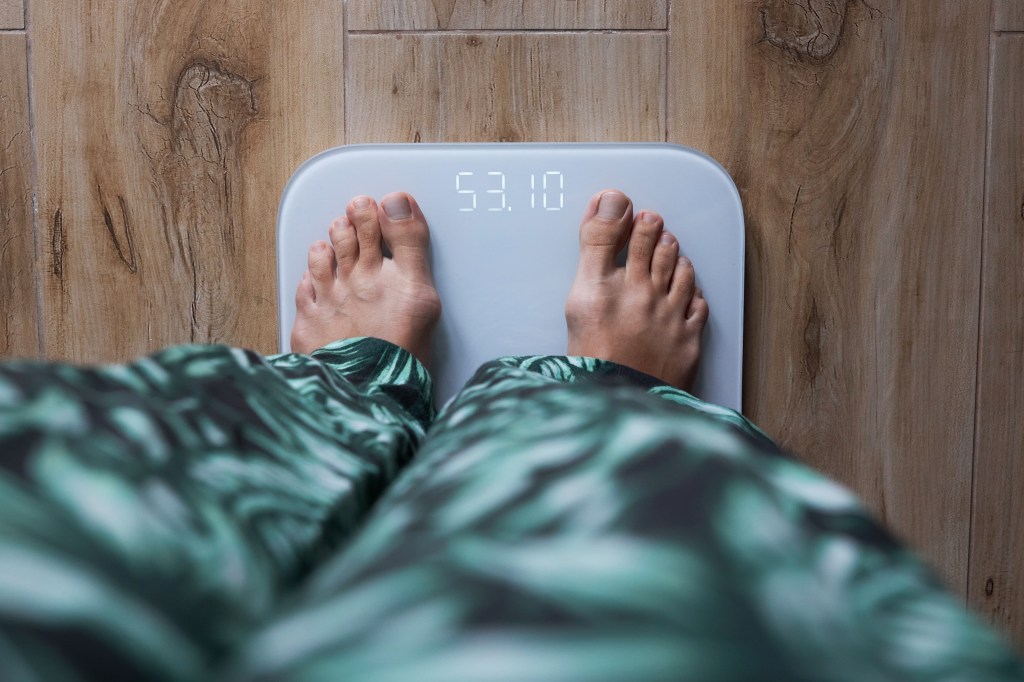
“When we step on a scale, we don’t know of that weight how much is actually muscle, how much is skeletal muscle, and how much is fat. We have to start looking at a scale as this biometric tool.”
JJ suggests looking at these numbers purely to work out what you need to prioritise, such as adding more weight training to your routine or even checking your thyroid – and if the numbers do go up overnight, it’s extremely unlikely to be because you scoffed your way up the scale.
“It really allows you to connect the dots between what you’re doing, what you’re eating, and how it’s working for you,” she adds.
Belly fat = laziness
“We really have to distinguish between weight and fat,” says JJ. “If you’re losing weight but you’re not losing your waist, you’re making yourself worse. A lot of the practices out there will do just that – they’ll hurt you.”
JJ says that having excess body fat isn’t a product of laziness at all – it’s when your training doesn’t align with your body composition.
“Excess body fat is purely a symptom of something else not working,” she says. “It’s rarely because of someone sitting on the couch watching Netflix and eating garbage food.”
Using a smart body composition scale can allow you to track your progress, and you can use the information to view your routine in a more multifaceted way – and help you figure out if something is going wrong.
“Do you need to give yourself some grace because it’s that time of the month? Do you need to back off a little bit on things and maybe get a massage? Use the scale everyday as a tool.”
Are you losing fat or muscle? Why weight loss medications could be worsening your body composition
The truth behind fasting
While fasting might feel like the new trend, you really can look at your diet as a tool to learn things about yourself, such as what works well and what doesn’t – which is why comparing your diet to someone else’s just won’t work.
“If it worked for them, maybe that would mean it would work for you, but maybe it wouldn’t,” says JJ. “Maybe it’s the age you are, the life you lead, or even your sex.”
According to JJ, there are two types of fasting to be aware of (anything else you’re being told is likely to be health jargon): intermittent fasting and time-restricted eating.
“We need to eat within a time window – it’s very important to think of your circadian rhythm,” says JJ, who suggests that allowing time for our body to digest the right nutrients and retain energy from our food can help avoid things like insulin spikes.
“For time-restricted eating, you need to make sure you’re eating by the plate (protein, fat & fibre) so you have good blood sugar control, and you can go for hours in between meals, which you should be able to do,” she says. “But one of the single most important things you can do is stop eating at least three hours before bed.”
Alongside how it physically isn’t comfortable, and lying down before proper digestion will be sure to give you acid reflux, a bigger reason is that it doesn’t allow your body to prepare for sleep.
According to JJ, poorly timed meals mean that your body can’t secrete the insulin it needs to before you sleep – which means your blood sugar is going to stay higher than it should and remain high when you wake up.
“Just poor sleep alone can make you weight loss resistant, and even make you gain weight,” she adds. “You could do everything else right – but screw up your sleep? Big problem.”

But alongside timing your meals right, it’s also about what you eat when you do break your fast that is just as important.
“That meal that you break your fast with is going to determine whether your day is amazing or not,” says JJ. “The minute you start your day with almost no protein and some fat; you’ve now raised your blood sugar and screwed your day.”
“You’ve got elevated blood sugar, elevated insulin, you don’t have the fibre or protein to help offset, and you’re hungry,” she adds, which leads to snacking.
But making sure you get your protein first in every single meal, adding in more vegetables and replacing snacks with drinking more water, you’ll start to see the effects (and not leaving your body to digest dinner while you’re sleeping is a bonus).
JJ Virgin is a triple-board certified health expert, spending nearly four decades advocating for eating and exercising smarter, not harder – having helped over a million people lose weight and keep it off. For more information and for access to free recipes, doctor-endorsed programs, and lifestyle support, visit jjvirgin.com.