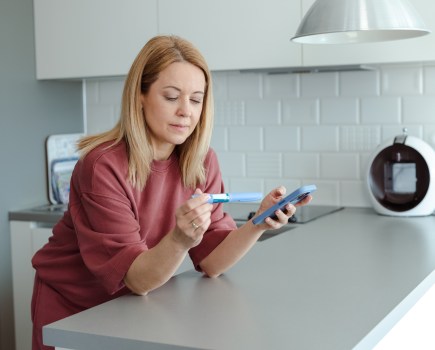

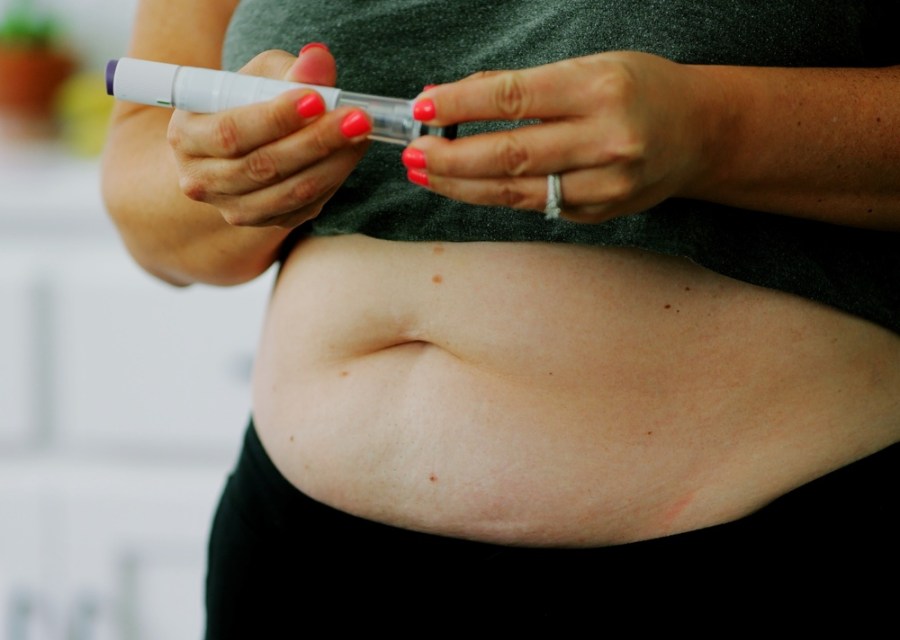
While GLP-1 users are gradually getting more than they bargained for, from anti-aging benefits, improved sleep and (of course) weight loss, the medication is not entirely spotless. Discover the gaps in your nutrition that you need to watch out for – and the danger of ignoring the signs
Words: Amy Dowrick | Images: Shutterstock
Conversations around weight management are always changing – and with thanks to GLP-1s holding onto their title in the world of weight loss, there’s new benefits, warning signs and side effects that are getting discovered each day.
And while the most noticeable effect is simple, and losing your appetite might feel like the medication is finally working, it’s not all that straightforward.
“Your appetite may have reduced, but your body still needs protein, essential fats, vitamins and minerals to support everything from muscle and energy production to hair, skin, hormones and immune function,” says Cara Shaw, nutritionist at BlueIron. “If your portions suddenly become much smaller, the nutritional quality of what makes it onto your plate matters more than ever.”
But how do you start hitting your nutrient intake in a way that won’t ruin your weight loss?
Prioritise protein
According to Cara, one of the biggest priorities during weight loss is protecting lean tissue, because losing weight can typically mean you’re losing muscle mass alongside your body fat.
“That makes protein and resistance exercise particularly important,” she says. “Rather than leaving protein until dinner, include a meaningful source throughout the day.”
She recommends adding these to your diet to hit those protein goals:
- Eggs or Greek yoghurt at breakfast
- Chicken, fish, tofu, cottage cheese or pulses at lunch
- Meat, fish, tempeh, beans or lentils with dinner
- A simple protein-rich snack if a full meal feels difficult
And if your appetite is particularly low, she says to start with the protein element of your meal first, rather than filling up on other foods.
Get your fibre
Another easy trap to fall into when portions become smaller is ignoring your veggies – but your mum was really onto something when she made you eat all your greens.
“Fruit, vegetables, legumes, nuts, seeds and whole grains provide fibre alongside a broad spectrum of vitamins, minerals and polyphenols,” says Cara.
“Rather than suddenly adding huge quantities of fibre, which may feel uncomfortable when gastric emptying is already slower, I prefer a gradual approach alongside adequate fluid.”
Think of adding cooked vegetables, berries, kiwi, chia or ground flaxseed, pulses and other fibre-rich foods to your meals.
Why iron is important
“Iron is one nutrient I would particularly keep on the radar when someone is eating substantially less,” says Cara.
“That doesn’t mean GLP-1 medications automatically cause iron deficiency,” she adds. “But when overall food intake drops, iron-rich foods may also become less frequent, particularly if someone begins eating very small quantities of meat, fish, eggs, legumes and leafy green vegetables.”
Iron contributes to energy production, immune health and even cognitive function, so Cara recommends adding good dietary sources such as lean meats, fish, eggs, beans, lentils, tofu, nuts, seeds and dark green vegetables.
And for plant sources of iron, adding vitamin C-rich foods such as berries, peppers, citrus fruit or tomatoes to the same meal can be useful to support absorption.
“If someone is experiencing persistent fatigue, weakness, breathlessness, poor exercise tolerance or increased hair shedding, I wouldn’t simply assume that it is a consequence of eating fewer calories,” she adds. “Iron status is one of the things worth discussing with a healthcare professional and investigating appropriately.”
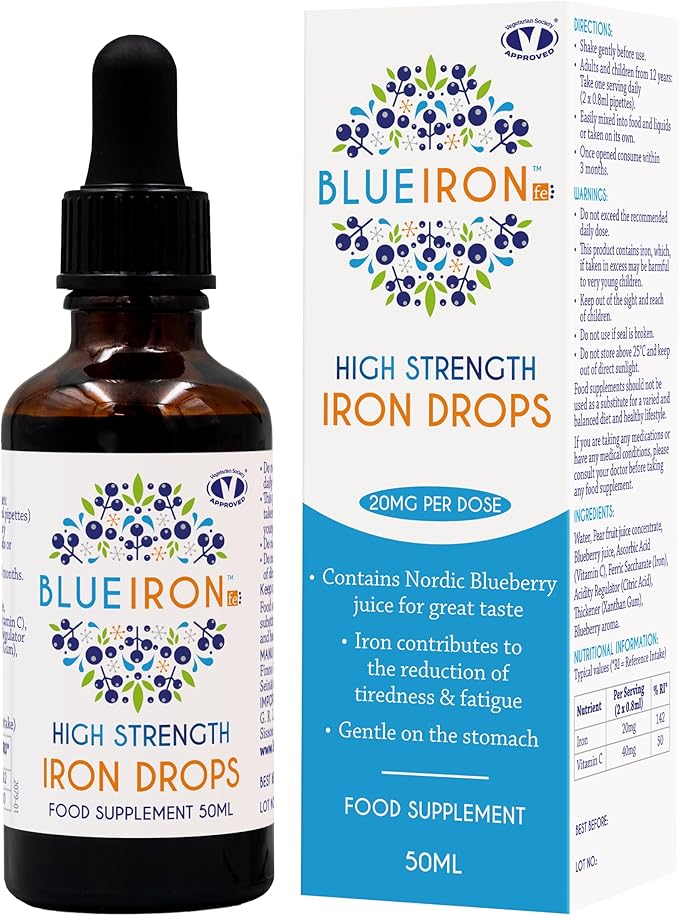
Blueiron High Strength Drops
Women’s Fitness verdict
A micro-encapsulated form of iron which is easily absorbed and gentle on the stomach, providing 14mg of iron per serving alongside vitamin C and 20mg iron- Maximises absorption without the unpleasant side-effects you may get with other iron products
- Contains a patented micro-encapsulated form of iron
- Contains 142% of an adult’s recommended daily intake of iron
“Supplementation should ideally be based on individual need rather than assuming everybody taking a GLP-1 requires iron,” adds Cara. “For those who do need additional iron, tolerability can be particularly important when appetite and digestion are already affected.”
Build your smaller portions
While a previously normal-sized meal might suddenly feel overwhelming for GLP-1 users, and some may even find themselves skipping meals, it’s important to get as many goodies as you can from what you do eat.
“I encourage clients to think: How much nutrition can I get from the food I am eating?” says Cara, who recommends smaller portions with more nutritional value. “Build smaller meals around foods that deliver something valuable rather than filling the reduced space available with foods that provide very little nutritionally.”
She recommends food combinations such as eggs rather than toast alone, Greek yoghurt with berries and seeds rather than a biscuit with coffee, or chicken, salmon, lentils or tofu alongside colourful vegetables rather than a very small portion of beige carbohydrates.
“When appetite is limited, every mouthful needs to work a little harder,” she adds.
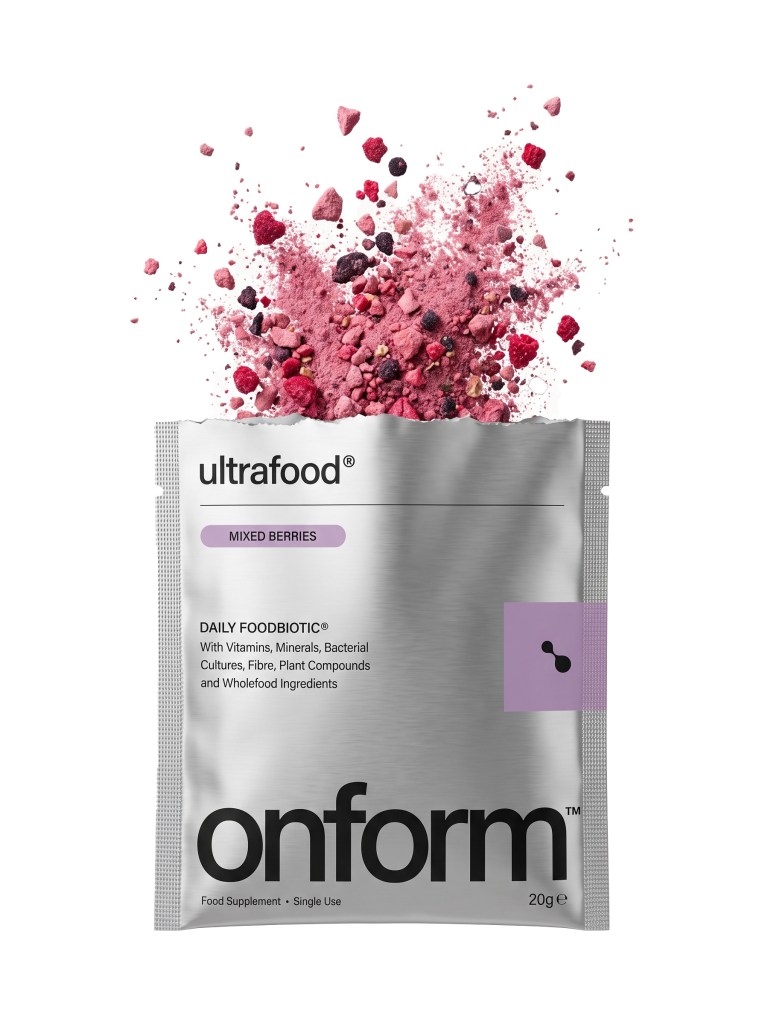
Ultrafood® all-in-one daily supplement
Women’s Fitness verdict
30+ ingredients formulated for brain, gut and overall health to stir into your breakfast. High quality vitamins and minerals, probiotics, prebiotics, adaptogens, antioxidants, superfoods and berries- Boosts energy and immune support
- Supports hormonal balance as well as gut and digestive health
- Increases focus and clarity
- Prevents stress and improves mood
Eating less should not mean less nourishment
While GLP-1 medications can be an incredibly useful tool for when prescribed and monitored correctly, from Cara’s perspective, the goal shouldn’t simply be to achieve the lowest possible calorie intake – it should be to support fat loss while preserving muscle, digestive health, nutrient status and energy as effectively as possible.
“When your appetite gets smaller, the quality of your nutrition needs to become bigger,” she says. “GLP-1 medications do not automatically cause deficiencies, but reduced appetite and food intake can widen nutritional gaps that were already there or make it harder to meet needs that were previously being met.”
And since every GLP-1 user starts treatment with a different diet, nutrient status and medical history, the risk of nutritional deficiencies is individual – so which ones need attention depends on the person.
Signs to look out for
“Persistent tiredness, weakness, a sore tongue or mouth ulcers can occur with B12 or folate deficiency,” says Cara. “Pins and needles, numbness or changes in balance can be warning signs of B12 deficiency and low energy, hair fall, poor cognition and breathlessness can be symptoms of iron deficiency. Symptoms overlap with other conditions, so they cannot diagnose a deficiency on their own; a clinician can decide which blood tests are appropriate.”
Some nutritional gaps also have few obvious early signs, for example inadequate calcium and vitamin D compromising bone health, or too little protein contributing to loss of muscle and strength.
“This is why nutritional monitoring matters, even when the number on the scales is moving in the direction one hoped,” she adds. “The consequences depend on the nutrient involved and the severity and duration of the deficiency.”
Lifestyle changes to support your diet
When hunger noise becomes quieter, planning small meals at regular times can help – and it prevents you from accidentally skipping your meals.
“Keeping easy, nourishing options available and briefly recording food intake can help identify repeated gaps,” adds Cara, who also recommends resistance training as a particularly valuable addition to your routine.
“Build towards at least two strength sessions weekly, adapted to individual ability, alongside walking, regular hydration and a consistent sleep routine.”
Cara Shaw is a health expert and registered nutritionist at supplements brand BlueIron. Find out more at crsnutrition.com.