

According to Breast Cancer UK, around 1 in 7 women will be diagnosed with breast cancer during their lifetime – so how do you improve your chances? Registered nutritionist Ella Kaur Maan suggests a hormone health diet as a good place to start
Words: Amy Dowrick | Images: Shutterstock
Many women only think about their breast health when a screening appointment is due, or if they notice an unexpected change – yet the statistics show that it deserves our attention every day.
But how do you include breast health as part of your daily routine? Ella Kaur Maan, registered nutritionist and Practitioner Lead at supplement brand, DR.VEGAN, suggests trying a hormone health diet.
“While there’s no single food that can prevent breast cancer, growing research suggests that what we eat can influence many of the factors linked to breast health, including hormone balance, inflammation, gut health, and maintaining a healthy weight,” she says. “The good news is that small dietary changes can make a meaningful difference over time.”
How hormone balance affects breast health
Since breast tissue is highly responsive to hormones, particularly oestrogen, it’s common to see a change in how our breasts look and feel throughout life, especially during natural hormonal changes that happen throughout puberty, pregnancy, breastfeeding, perimenopause and menopause.
This is why Ella suggests supporting a healthy hormone balance through your diet.
“Foods rich in fibre help the body remove excess hormones, while a healthy digestive system supports the natural processes involved in regulating them,” she says. “Prioritising vegetables, legumes, fruits, nuts, seeds, and wholegrains can help create a nutritional foundation that supports hormonal balance.”
The hormone health diet for breast support
Cruciferous vegetables
“When discussing breast health, cruciferous vegetables including broccoli, cabbage, kale, brussels sprouts, cauliflower, and bok choy deserve special attention,” says Ella. “They all contain naturally occurring compounds called glucosinolate, which help the body process and remove excess oestrogen more efficiently, and they also provide fibre, vitamins and antioxidants that support overall health.”
Ella suggests aiming to include these vegetables in your dishes a few times each week. Think of adding them to your salads, soups, stir-fries or just roasting them as a simple side dish.
Antioxidant-rich in colour
“Breast tissue, like every tissue in the body, is exposed to everyday wear and tear caused by factors such as ageing, stress, pollution and UV exposure,” says Ella. “Antioxidants help protect cells from this damage and support overall health.”
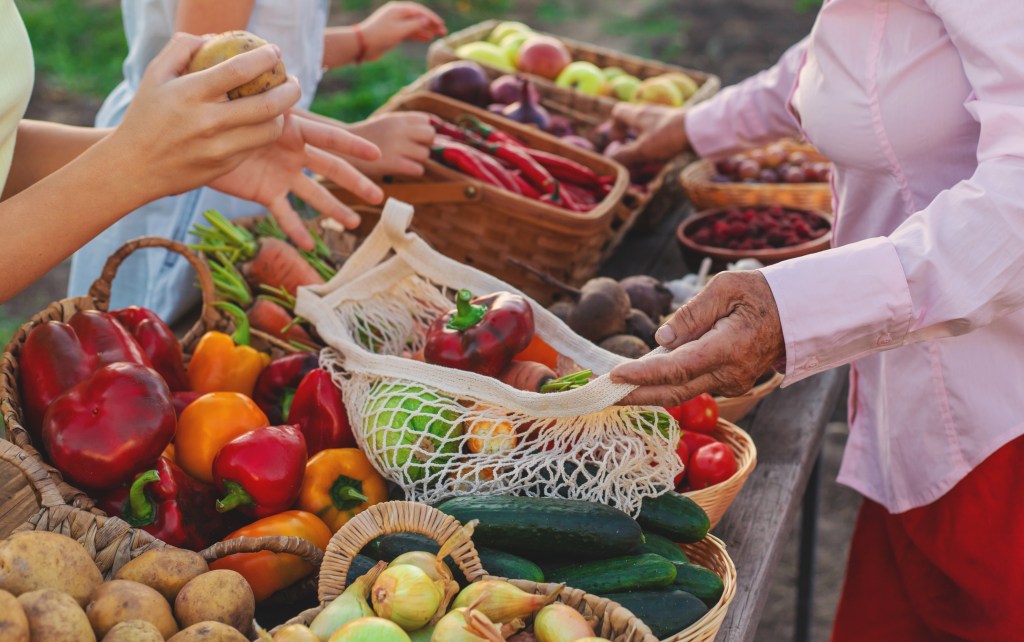
Fruits and veg like berries, cherries, tomatoes, peppers, spinach, carrots, sweet potatoes and pomegranates are all rich in antioxidants and make great foods to include as part of a breast-friendly diet.
“A useful rule for a hormone health diet is to aim for as much colour and variety on your plate as possible because the greater the variety of colours on your plate, the broader the range of protective nutrients you’ll consume,” she adds.
Omega-3 fats
Chronic inflammation is increasingly recognised as a factor that can affect long-term health, so adding Omega-3 fatty acids to your diet – which are known for their anti-inflammatory properties – may help support healthy breast tissue.
“Excellent sources include salmon, sardines, mackerel, walnuts, chia seeds, and flaxseeds,” Ella says.
Fibre
“Many people underestimate the importance of fibre, despite it being one of the most beneficial nutrients for hormone health, as it helps support gut health and assists the body in removing excess oestrogen,” Ella says. “Increasing fibre intake is one of the simplest dietary changes women can make to support both digestive and breast health.”
Try eating more oats, or add lentils, chickpeas, beans, wholegrains, and broccoli to your dishes.
Gut-friendly foods
Our guts are home to trillions of beneficial bacteria, which helps regulate many aspects of our physical health – including hormone balance.
“When gut health is poor, it may affect how efficiently the body processes and removes hormones,” Ella says. “This is why experts are increasingly focusing on the gut-breast connection.”
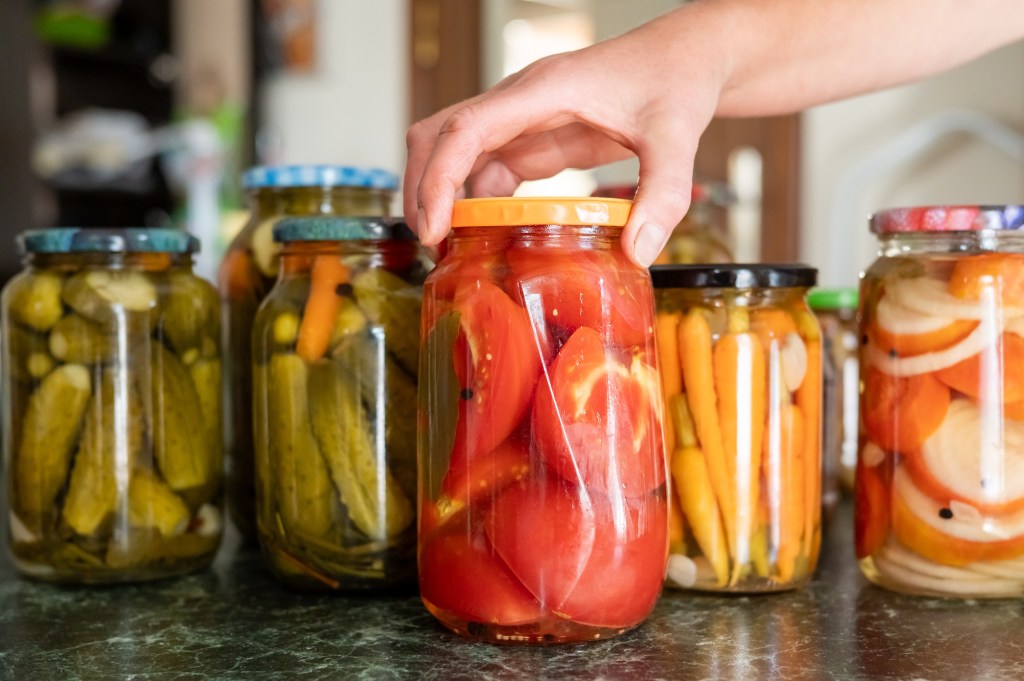
“Supporting gut health can be as simple as eating a wide variety of plant foods and including fermented foods such as live yoghurt, kefir, kimchi or sauerkraut,” she adds.
These are the best supplements for women over 50 – according to a nutritionist
Foods to avoid
But maintaining breast health isn’t just about what you add to your diet – it’s also about what you reduce.
“Ultra-processed foods, sugary drinks, excessive alcohol consumption and smoking can all negatively affect overall health,” says Ella, who also suggests maintaining a healthy weight.
“It’s particularly important to maintain, especially after menopause, as excess body fat can influence hormone levels,” she adds.
Are there any supplements for breast health?
While a food-first approach should always be the priority, supplements can also be useful when dietary intake falls short.
“The best supplements for breast health will vary from person to person, but nutrients commonly linked to supporting overall breast and hormonal health include omega-3 fatty acids, vitamin D, probiotics and fibre,” Ella says.
“Supplements such as DR.VEGAN’s Vegan Omega 3 provides a plant-based source of essential fatty acids, and DR.VEGAN’s Vitamin D3 & K2 supports immune and bone health, which can help fill common nutritional gaps. Or DR.VEGAN’s Fibre Complex is designed to help increase daily fibre intake and support a healthy gut microbiome, which may have positive knock-on effects for hormone balance and long-term breast health.”
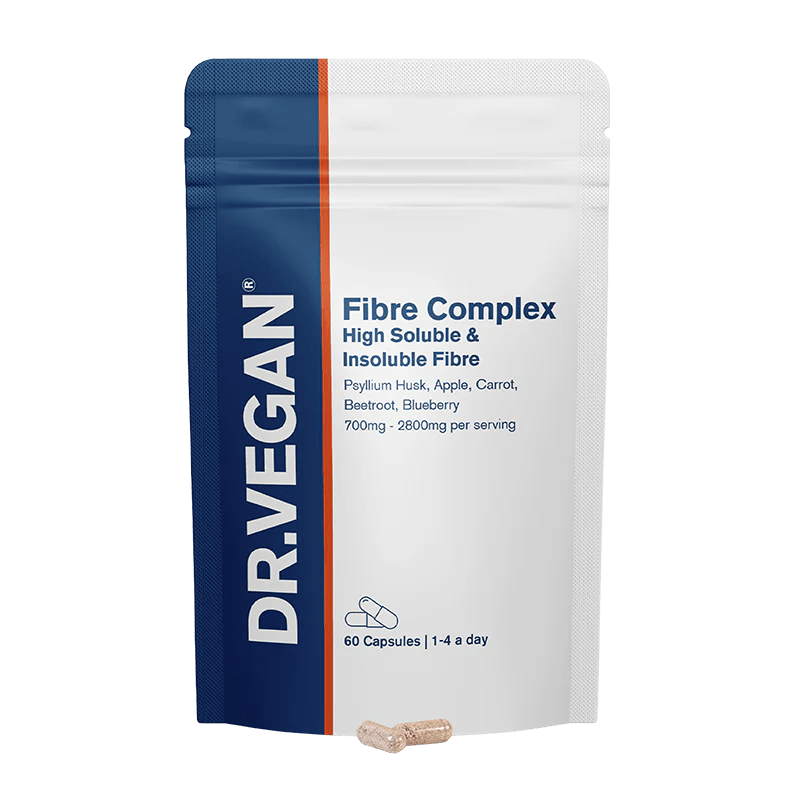
Fibre Complex
Women’s Fitness verdict
Containing 5 different types of soluble and insoluble fibre, including Psyllium Husk, Fibre Complex helps fill dietary fibre gaps to support daily rhythm and a flourishing gut microbiome- Supports gut microbiome and digestive health
- Contains five types of fibre
But Ella does stress how supplements are most effective when combined with healthy lifestyle habits such as regular exercise, good-quality sleep, stress management and a nutrient-rich diet.
“Ultimately, breast health is influenced by many factors, including age, genetics, hormones and lifestyle,” she says. “And while nutrition isn’t a guarantee against future health concerns, it is one of the most powerful tools women can use to support their wellbeing and can help lay the foundations for healthier breasts and better overall health at every stage of life.”
Ella Kaur is a registered Nutritionist and Nutritional Therapy Practitioner at leading supplement brand, DR.VEGAN, specialising in women’s health, hormonal balance, sleep and stress. For more information, or to book a free consultation and receive personalised advice, visit drvegan.com